Choosing the right CRM software for Outlook can be challenging. Many options promise to enhance your productivity. But how do you know which one is the best? In this blog, we will explore the top CRM software for Outlook. We aim to help you find the perfect tool for your business needs.
Stay tuned to learn about features, benefits, and tips for selecting the best CRM software. Let’s get started!
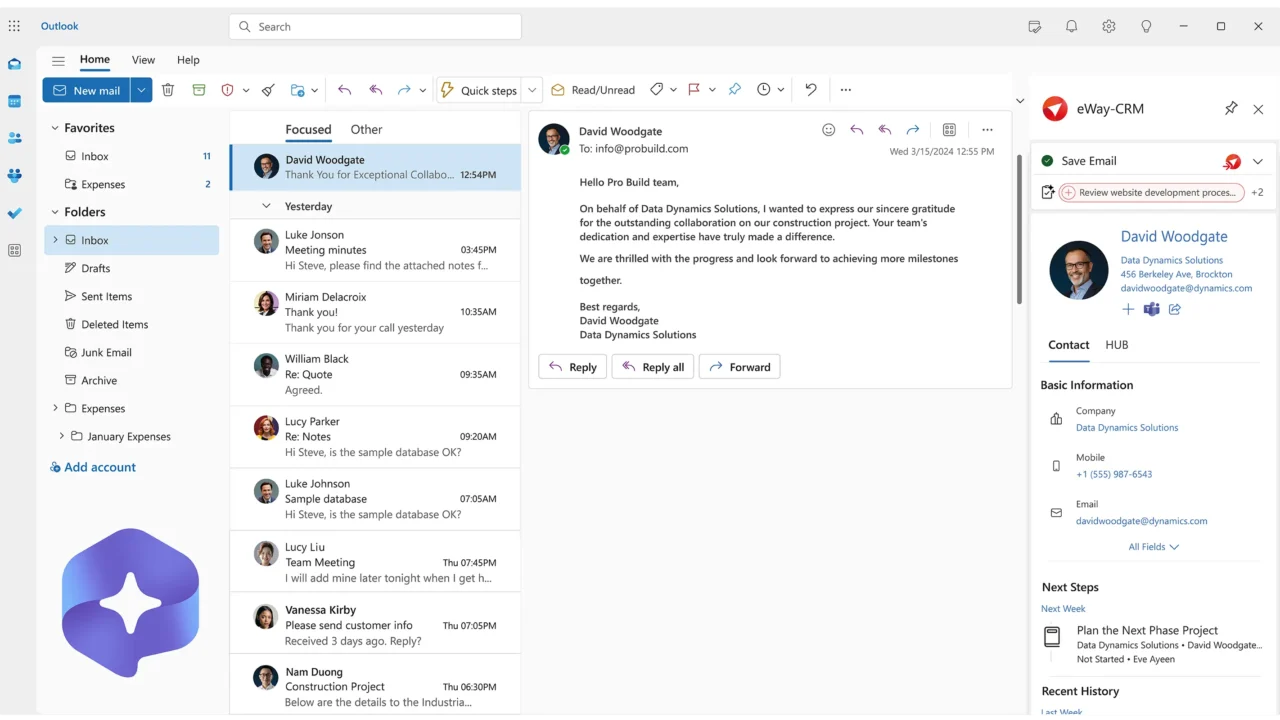
Credit: www.eway-crm.com
Introduction To Crm For Outlook
Customer Relationship Management (CRM) software helps businesses manage interactions. It also helps track customer data. Integrating CRM with Outlook enhances efficiency. This combination creates a powerful tool for communication and management.
Outlook is widely used for emails and calendar management. Integrating CRM with Outlook makes it more versatile. It helps keep all customer information in one place. This saves time and reduces errors.
Importance Of Crm Integration
CRM integration is crucial for businesses. It streamlines processes and improves workflow. With CRM integration, data is easily accessible. Teams can collaborate better. It eliminates the need for multiple tools.
Integrating CRM with Outlook adds more value. It ensures that all emails and meetings are tracked. Customer information is always up-to-date. This leads to better customer service. It also helps in making informed decisions.
Benefits Of Crm With Outlook
Combining CRM with Outlook has many benefits. One key benefit is improved communication. All emails and interactions are recorded. This helps in maintaining a clear history.
Another benefit is better time management. Tasks and appointments are synced. This ensures nothing is missed. It also reduces double-booking.
CRM with Outlook enhances customer relationships. Personalized emails can be sent easily. Follow-ups are timely. This improves customer satisfaction.
Finally, it boosts productivity. Teams spend less time switching between tools. All needed information is in one place. This increases efficiency.
Top Features To Look For In Crm Software
Choosing the best CRM software for Outlook can improve your business productivity. CRM tools help manage customer interactions and streamline workflows. But what features should you prioritize? Let’s explore the top features to look for in CRM software.
Email Integration
Email integration is essential for CRM software. It allows you to manage emails within the CRM system. You can track email conversations and link them to specific contacts. This makes communication more efficient. You won’t need to switch between your email client and CRM.
Task Management
Task management helps keep your team on track. CRM software with this feature lets you create, assign, and monitor tasks. You can set deadlines and priorities. This ensures that important tasks are completed on time. It also improves collaboration among team members.
Contact Management
Contact management is the core of any CRM software. It stores all customer information in one place. You can easily access contact details, interaction history, and notes. This feature helps you build stronger relationships with your customers. It also ensures that no important details are lost.
Top Crm Software Options
Choosing the best CRM software for Outlook can greatly improve your business processes. It helps manage customer interactions and streamlines your workflow. Here are some top CRM software options that integrate well with Outlook.
Salesforce
Salesforce is a popular CRM software that integrates seamlessly with Outlook. It offers advanced features for sales, service, and marketing. Users can track emails, manage contacts, and schedule meetings directly within Outlook. Salesforce helps in improving productivity and customer relationships.
Hubspot Crm
HubSpot CRM is another excellent choice for Outlook integration. It is user-friendly and offers a free version with essential features. You can track email interactions, manage contacts, and set reminders. HubSpot CRM also provides insights into customer activities and helps in organizing sales pipelines.
Zoho Crm
Zoho CRM is known for its robust integration with Outlook. It helps in managing customer data and automating workflows. Users can sync emails, contacts, and calendar events easily. Zoho CRM offers customizable dashboards and reports, making it ideal for businesses of all sizes.
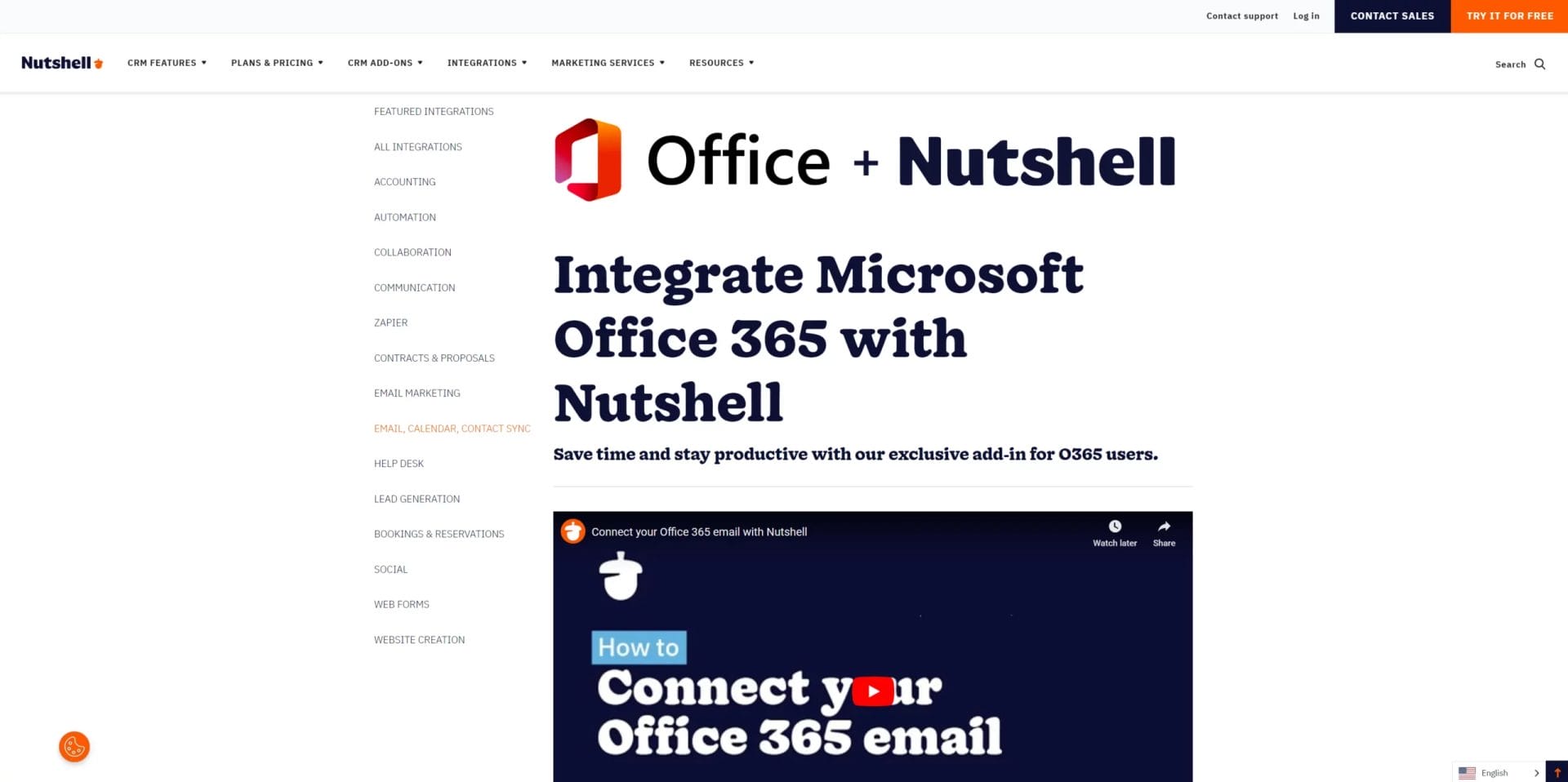
Credit: www.nutshell.com
Salesforce Crm For Outlook
Salesforce CRM for Outlook is a tool that connects your email with Salesforce. It helps you manage your customer relations more efficiently. This integration allows you to track emails and sync contacts, calendars, and tasks. It makes your workflow seamless. You can access customer data directly from Outlook.
Key Features
Salesforce CRM for Outlook offers many features. One of the key features is email tracking. It helps you keep track of all email interactions. It also allows you to sync contacts. This ensures your contact information is up-to-date. Another feature is calendar integration. This keeps your meetings and events organized. Task management is another useful feature. It helps you stay on top of your to-do list.
Pros And Cons
Salesforce CRM for Outlook has many pros. It improves productivity by centralizing information. You do not need to switch between apps. The integration is user-friendly. It also offers great customer support.
There are some cons too. The setup process can be lengthy. It might require some technical knowledge. The cost can be high for small businesses.
Pricing
Salesforce CRM for Outlook pricing varies. It depends on the plan you choose. The basic plan starts at a lower price. Advanced plans cost more. It’s important to choose a plan that fits your needs. Pricing details are available on the Salesforce website.
Hubspot Crm For Outlook
HubSpot CRM for Outlook is a powerful tool designed to integrate seamlessly with Microsoft Outlook. This integration brings all your CRM functionalities directly into your email client. It allows you to manage contacts, track emails, and schedule meetings without switching platforms.
Key Features
- Email Tracking: Get notifications when your emails are opened or clicked.
- Contact Management: Easily add new contacts from your inbox.
- Meeting Scheduling: Schedule meetings directly from your Outlook calendar.
- Email Templates: Use predefined templates to save time.
- Sales Pipeline: Manage your sales pipeline within Outlook.
Pros And Cons
| Pros | Cons |
|---|---|
| Easy to use | Limited customization options |
| Seamless integration | Can be overwhelming for beginners |
| Real-time notifications | Some features require premium plans |
Pricing
- Free Plan: Basic features available at no cost.
- Starter Plan: $50/month, includes additional features.
- Professional Plan: $500/month, advanced features and support.
- Enterprise Plan: Custom pricing, tailored solutions for large businesses.
Zoho Crm For Outlook
Are you searching for an efficient CRM solution that integrates seamlessly with Outlook? Zoho CRM for Outlook could be your perfect match. This integration ensures your email and CRM work together harmoniously. Manage your customer interactions directly from Outlook without switching between applications.
Key Features
Zoho CRM for Outlook offers several standout features:
- Email Integration: Sync emails between Outlook and Zoho CRM effortlessly.
- Contact Management: Manage and update contact information from one place.
- Task Management: Create, assign, and track tasks within Outlook.
- Sales Automation: Automate sales processes to save time and increase efficiency.
- Analytics and Reports: Generate insightful reports to make informed decisions.
Pros And Cons
Like any software, Zoho CRM for Outlook has its strengths and weaknesses.
Pros:
- Easy integration with Outlook.
- User-friendly interface.
- Customizable to fit various business needs.
- Strong customer support.
Cons:
- Occasional syncing issues.
- Some features require a learning curve.
- Can be expensive for small businesses.
Pricing
Zoho CRM offers various pricing plans to cater to different needs.
- Free Plan: Limited features, suitable for small teams.
- Standard Plan: $12 per user per month.
- Professional Plan: $20 per user per month.
- Enterprise Plan: $35 per user per month.
- Ultimate Plan: $45 per user per month.
Each plan provides different levels of features and support. Choose the one that fits your business needs best.
How To Choose The Right Crm For Your Needs
Choosing the right CRM software for Outlook can be challenging. The best CRM for your business depends on several factors. Let’s delve into how to make the right choice.
Assessing Your Business Needs
First, understand your business needs. Identify the features you require. Do you need email tracking, contact management, or sales automation? Make a list of your priorities. This will guide you in finding the right CRM.
- Identify your top needs
- List necessary features
- Match features with business goals
Evaluating Software Usability
Usability is crucial. A CRM should be easy to use. It should integrate well with Outlook. Test the software through a trial period. Check how user-friendly it is. Ensure your team can use it effectively.
- Opt for a trial period
- Check software integration with Outlook
- Evaluate user-friendliness
Considering Budget And Scalability
Budget and scalability are important. Determine how much you can spend. Compare the costs of different CRMs. Look at their pricing structures. Choose a CRM that can grow with your business. Ensure it is cost-effective in the long run.
| CRM | Cost | Scalability |
|---|---|---|
| CRM A | $50/month | High |
| CRM B | $30/month | Medium |
| CRM C | $20/month | Low |
Choosing the right CRM for Outlook involves careful consideration. Assess your needs, evaluate usability, and consider budget and scalability.

Credit: www.method.me
Tips For Maximizing Crm Productivity
Maximizing CRM productivity with Outlook requires strategic use of features, continuous learning, and smart automation. To get the most from your CRM software, follow these key tips.
Effective Use Of Features
Make sure to explore all available features. Learn how each feature works and how it can help your tasks. Use tools like email tracking to keep tabs on interactions. Leverage calendar integrations to schedule meetings directly from your CRM.
Set reminders for important follow-ups. This ensures no opportunity slips through the cracks. Customize dashboards to highlight key metrics. This helps you stay focused on what matters most.
Regular Training And Updates
Stay updated with the latest CRM features and improvements. Regular training sessions can help your team master new tools. This keeps everyone on the same page and enhances productivity.
Attend webinars and read CRM blogs. These resources offer valuable insights and tips. Sharing this knowledge with your team fosters a culture of continuous learning.
Leveraging Automation
Automation can save you a lot of time. Set up automated workflows for repetitive tasks. This ensures consistency and frees up time for more critical activities.
Use automated email responses for common queries. This ensures prompt replies and keeps customers happy. Automate data entry to reduce errors and improve efficiency.
Integrate your CRM with other tools. This creates a seamless workflow across different platforms. The more you automate, the more you can focus on strategic tasks.
Frequently Asked Questions
What Is The Best Crm Software For Outlook?
The best CRM software for Outlook is Microsoft Dynamics 365. It seamlessly integrates with Outlook, offering robust features for managing customer relationships.
How Does Crm Software Integrate With Outlook?
CRM software integrates with Outlook by syncing emails, calendars, and contacts. This ensures all customer information is up-to-date and easily accessible.
Why Use Crm Software With Outlook?
Using CRM software with Outlook improves productivity. It centralizes customer data, streamlines communication, and enhances customer relationship management.
Can Crm Software Help With Email Management In Outlook?
Yes, CRM software helps with email management in Outlook. It organizes emails, tracks interactions, and automates follow-ups, making email management efficient.
Conclusion
Choosing the best CRM software for Outlook boosts productivity. It simplifies communication, manages customer relationships efficiently. This integration keeps your data in one place. No need to switch between platforms. It saves time and reduces errors. Each option has unique features.
Evaluate your specific needs before deciding. A good CRM can streamline your workflow. Make your choice wisely. Enhance your business operations with the right CRM for Outlook.
]]>Finding the best accounting CRM software can be challenging. Each business has unique needs, and software should cater to these specific requirements. The right tool helps manage finances while keeping customer relationships strong. It combines accounting features with CRM capabilities, simplifying tasks and improving workflow.
Whether you run a small business or a large enterprise, choosing the right software can make a significant difference. This blog will guide you through the top accounting CRM software options. Discover the tools that can help your business thrive. Let’s explore the best choices available, tailored to meet your business needs.

Credit: toaglobal.com
Introduction To Accounting Crm Software
Accounting CRM software is a powerful tool for businesses. It combines accounting functionalities with customer relationship management (CRM). This integration is essential in today’s fast-paced business environment. Accounting CRM software helps manage financial data and customer interactions in one place. It streamlines operations and improves overall efficiency.
Importance For Financial Efficiency
Having an efficient accounting system is crucial. It ensures accurate financial reporting and compliance with regulations. When combined with CRM, businesses can track customer interactions and financial transactions. This integration can lead to better decision-making. Businesses can easily identify profitable customers and focus on them. Efficiency in financial management leads to cost savings and increased profitability.
Key Features To Look For
Choosing the right accounting CRM software is important. Here are some key features to consider:
- Integration Capabilities: Ensure it integrates with existing systems. This includes ERP, email, and other business tools.
- Financial Reporting: Look for robust reporting features. These should include balance sheets, income statements, and cash flow reports.
- Customer Management: Manage customer data effectively. This includes contact information, purchase history, and communication records.
- Automation: Automate repetitive tasks. This includes invoicing, payment reminders, and data entry.
- Security: Ensure data security. Look for features like encryption, user access controls, and regular backups.
- Scalability: Choose software that grows with your business. It should handle increasing data and users as your business expands.
Here is a comparison table for quick reference:
| Feature | Importance |
|---|---|
| Integration Capabilities | High |
| Financial Reporting | Critical |
| Customer Management | High |
| Automation | Medium |
| Security | High |
| Scalability | High |

Credit: thecfoclub.com
Top Accounting Crm Software Options
Choosing the best accounting CRM software is crucial for your business. It helps in managing finances and customer relationships efficiently. With many options available, finding the right fit can be daunting. Below, we explore some top accounting CRM software options.
Quickbooks Integration
QuickBooks is a popular accounting software known for its comprehensive features. Many CRM systems now offer seamless QuickBooks integration. This allows you to sync financial data effortlessly. It ensures accurate and up-to-date records. You can manage invoices, track expenses, and generate reports. All within a single platform. This integration saves time and reduces errors. It enhances your overall productivity and financial management.
Xero Compatibility
Xero is another leading accounting software, loved for its simplicity. CRM systems with Xero compatibility provide a user-friendly experience. You can easily connect your CRM with Xero. Syncing customer data, invoices, and payments becomes straightforward. This integration helps in maintaining accurate financial records. You can manage cash flow and monitor business performance effectively. Xero compatibility ensures your accounting and customer management are in harmony.
Benefits Of Using Accounting Crm
Businesses of all sizes benefit from using Accounting CRM software. This tool combines Customer Relationship Management (CRM) with accounting functions. This integration offers numerous advantages. Here are some key benefits.
Streamlined Financial Processes
Accounting CRM software streamlines financial processes. It automates tasks such as invoicing and payment tracking. This reduces manual work and saves time. Businesses can focus on growth rather than administrative tasks.
The integration of CRM with accounting ensures that financial data is easily accessible. Sales teams can view customer payment histories. This helps in making informed decisions. Additionally, automated reminders for unpaid invoices improve cash flow.
| Feature | Benefit |
|---|---|
| Automated Invoicing | Reduces manual work |
| Payment Tracking | Improves cash flow |
| Accessible Financial Data | Informed decision-making |
Improved Data Accuracy
Using Accounting CRM software improves data accuracy. Manual data entry often leads to errors. Automated systems minimize these mistakes. This ensures that the financial information is reliable.
Accurate data is crucial for financial reporting. It aids in compliance with regulations. Businesses can avoid penalties due to incorrect financial records. Moreover, precise data helps in better financial planning and forecasting.
- Minimizes data entry errors
- Ensures reliable financial information
- Aids in regulatory compliance
- Supports financial planning
How To Choose The Right Software
Choosing the right accounting CRM software can significantly improve your business operations. It helps streamline financial processes, manage customer relationships, and enhance overall efficiency. But how do you choose the right software for your business? Let’s dive into some key factors that you should consider.
Assessing Business Needs
First, understand your business needs. Identify the features that are crucial for your operations. Do you need invoicing, expense tracking, or customer relationship management? Make a list of the essential features your business requires.
- Invoicing
- Expense tracking
- Customer relationship management
- Reporting and analytics
Also, consider the size of your business. Small businesses might need basic features. Large enterprises may require advanced functionalities. Ensure the software can scale with your business growth.
Budget Considerations
Budget is a significant factor. Determine how much you can spend on accounting CRM software. Compare the costs of various software options. Some software offers tiered pricing based on features.
| Software | Basic Plan | Advanced Plan |
|---|---|---|
| Software A | $20/month | $50/month |
| Software B | $30/month | $70/month |
Look for software that offers a free trial. This allows you to test the features before committing. Also, check for hidden costs like setup fees or additional user fees.
Investing in the right software can save money in the long run. It can reduce manual errors and improve efficiency. Choose software that fits your budget and meets your needs.
Implementation Tips
Implementing the best accounting CRM software can be challenging. Proper preparation ensures a smooth transition. Follow these tips for successful implementation.
Data Migration Strategies
Data migration is crucial. Begin by cleaning your existing data. Remove duplicates and outdated entries. Ensure your data is accurate and complete. Next, map your data fields between your old and new systems. This guarantees data is transferred correctly. Use migration tools or hire experts. They can help move your data efficiently. Always back up your data before starting the migration process. This step protects you from data loss.
Training Your Team
Train your team thoroughly on the new CRM software. Start with a basic overview. Explain the main features and benefits. Conduct hands-on training sessions. Let your team practice using the software. Create easy-to-follow guides and tutorials. These resources help your team remember the steps. Encourage questions and feedback. Address any issues promptly. Regular training sessions keep your team updated on new features. Effective training ensures your team uses the software correctly and efficiently.
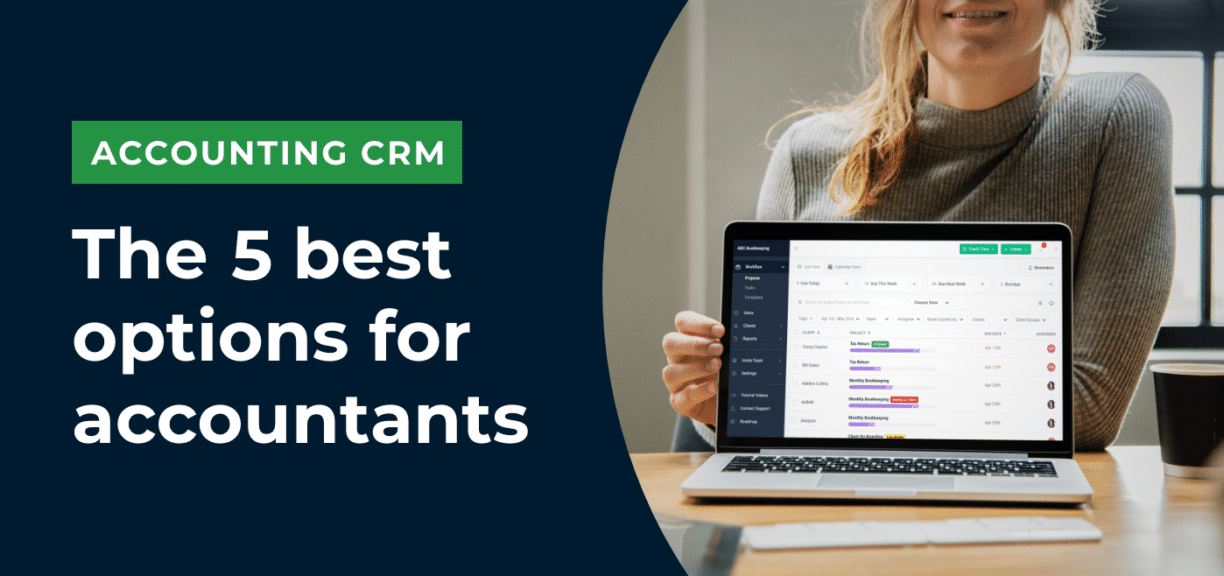
Credit: financial-cents.com
Common Challenges And Solutions
Choosing the right accounting CRM software can streamline your business processes. Yet, users often face common challenges during implementation and usage. Understanding these challenges and their solutions can enhance the software’s effectiveness and your team’s productivity.
Data Security Concerns
Data security is a top priority for any business. Protecting financial information is crucial. Many companies fear data breaches and unauthorized access.
Solution: Choose software with robust security features. Look for:
- Encryption: Ensures data remains unreadable to unauthorized users.
- Two-factor authentication: Adds an extra layer of security.
- Regular updates: Keeps the software protected against new threats.
Always backup data regularly. This prevents loss in case of any security incident.
User Adoption Issues
Getting your team to embrace new software can be challenging. Resistance to change is common.
Solution: Focus on training and support. Consider these steps:
- Comprehensive training: Offer detailed training sessions.
- Ongoing support: Provide continuous support and resources.
- Feedback loops: Encourage feedback to identify issues early.
A user-friendly interface also helps. Choose software with an intuitive design and clear instructions.
Case Studies Of Successful Implementation
Explore case studies showcasing the best accounting CRM software. Discover how businesses improved efficiency and client management. Learn from real-world examples of successful implementation.
Implementing accounting CRM software can transform how businesses manage their finances. Real-life case studies show how various businesses, from small firms to large enterprises, benefit. Let’s explore some examples of successful implementation.Small Business Examples
A local bakery faced challenges managing orders and expenses. They implemented an accounting CRM software. The software streamlined their order tracking and expense management. This led to a 20% increase in efficiency. A small law firm struggled with client billing. They adopted an accounting CRM solution. This software helped automate invoicing and payment reminders. As a result, they saw a 30% reduction in unpaid invoices.Enterprise Level Successes
A large retail chain needed better financial oversight. They implemented an advanced accounting CRM system. This software integrated their sales data and financial records. The result was a 25% improvement in financial reporting accuracy. An international manufacturing company faced issues with budget tracking. They turned to an accounting CRM software. The system provided real-time budget updates and alerts. This led to a 15% reduction in overspending. These case studies highlight the tangible benefits of using accounting CRM software. Both small businesses and large enterprises can achieve significant improvements. Efficient financial management is within reach. “`Future Trends In Accounting Crm
The accounting CRM landscape is evolving at a fast pace. Businesses need to keep up with the latest trends to stay competitive. In this section, we explore future trends in accounting CRM software.
Ai And Automation
AI and automation are changing the way businesses handle accounting tasks. These technologies help reduce manual errors. They also save time by automating repetitive tasks. For example, AI can analyze data quickly and provide insights. This helps accountants make better decisions. Automated workflows ensure that tasks are completed on time. This increases efficiency and accuracy in financial reporting.
Cloud-based Solutions
Cloud-based solutions are becoming more popular in accounting CRM. They offer many benefits over traditional software. Users can access data from anywhere with an internet connection. This is useful for remote work. Cloud-based CRMs also provide real-time updates. This means everyone has the latest information at their fingertips. These solutions are also more scalable. Businesses can easily add more users or features as they grow. Security is another advantage. Cloud providers offer robust security measures to protect sensitive financial data.
Frequently Asked Questions
What Is Accounting Crm Software?
Accounting CRM software integrates accounting and customer relationship management functionalities. It helps businesses manage finances and customer interactions seamlessly.
Why Use Accounting Crm Software?
Using accounting CRM software improves efficiency by combining financial and customer data. It streamlines processes, saves time, and enhances customer service.
How Does Accounting Crm Software Benefit Small Businesses?
Accounting CRM software benefits small businesses by automating tasks, improving accuracy, and providing insights. It helps in managing finances and customer relations effectively.
Can Accounting Crm Software Integrate With Other Tools?
Yes, accounting CRM software often integrates with various tools like ERP systems, email marketing platforms, and payment gateways. This enhances functionality.
Conclusion
Choosing the best accounting CRM software can boost business efficiency. It simplifies financial tasks and enhances customer relationships. The right software ensures accuracy and saves time. Explore different options and find what suits your needs. Remember, a good CRM supports growth and smooth operations.
Make your decision wisely for a brighter business future.
]]>Finding the best CRM software for ecommerce can greatly enhance your business efficiency. With the right tools, you can manage customer data, track interactions, and boost sales all in one place. A good CRM system helps you understand your customers better.
This leads to better service and increased loyalty. It can automate many tasks, saving you time and effort. In this blog, we will explore top CRM software options tailored for ecommerce businesses. Stay tuned to find out which one suits your needs the best.
Introduction To Crm For Ecommerce
In today’s competitive ecommerce landscape, managing customer relationships is crucial. This is where Customer Relationship Management (CRM) software comes in. A CRM system helps businesses manage interactions with both potential and existing customers. It centralizes data, making it easy to track customer behavior, preferences, and purchase history. This information is invaluable for creating personalized marketing campaigns and improving customer service.
Importance Of Crm In Ecommerce
CRM software is essential for ecommerce businesses. It helps in understanding customers better. With CRM, you can analyze customer data and gain insights into their preferences and buying habits. This enables businesses to tailor their marketing strategies accordingly.
CRM systems also streamline customer support. They provide a unified view of customer interactions, making it easier to resolve issues quickly. This improves customer satisfaction and loyalty. Additionally, CRM helps in tracking sales and marketing efforts, allowing businesses to measure the effectiveness of their campaigns.
How Crm Boosts Sales
A good CRM system can significantly boost sales. Here’s how:
- Personalized Marketing: CRM software helps in creating targeted marketing campaigns. Personalized offers and recommendations based on customer data increase conversion rates.
- Improved Customer Retention: Happy customers are more likely to make repeat purchases. CRM systems help in providing excellent customer service, which enhances customer loyalty.
- Sales Tracking: CRM systems offer detailed sales reports. These reports help businesses identify trends and make informed decisions to improve sales strategies.
CRM systems also automate many sales processes. This reduces the workload on sales teams, allowing them to focus on closing deals. Automation also ensures that no potential lead is overlooked, increasing the chances of converting leads into customers.

Credit: neklo.com
Key Features Of Ecommerce Crm
An eCommerce CRM (Customer Relationship Management) system is crucial for managing customer interactions. It helps businesses streamline processes and improve customer satisfaction. Here, we explore the key features of eCommerce CRM that make it an essential tool for online retailers.
Customer Data Management
Effective customer data management is the backbone of any CRM system. It collects, stores, and organizes customer information. This includes contact details, purchase history, and interaction records.
- Centralized database for all customer information
- Easy access to customer profiles
- Detailed purchase history tracking
- Interaction history with customer support
Having all this data in one place helps businesses understand their customers better. It allows for personalized marketing and improved customer service.
Sales Automation
Sales automation tools help streamline sales processes and save time. They reduce manual work and ensure that no lead is missed.
- Automated lead scoring and prioritization
- Task and follow-up reminders
- Email marketing automation
- Sales pipeline management
These tools ensure that sales teams can focus on closing deals. They provide a clear view of the sales pipeline and help track progress.
Customer Support Tools
Customer support tools are essential for resolving customer issues quickly. They improve customer satisfaction and loyalty.
- Ticketing system for issue tracking
- Live chat integration
- Knowledge base and self-service options
- Automated responses and chatbots
These features ensure that customers get quick and efficient support. They help reduce response times and improve the overall customer experience.
Top Crm Software Options
Choosing the right CRM software is crucial for eCommerce success. The best CRM tools help manage customer relationships and drive sales. Let’s explore the top CRM software options available today.
Overview Of Leading Crm Tools
Several CRM tools stand out in the eCommerce sector. These tools offer a range of features and pricing options to fit different business needs. Below is an overview of some leading CRM tools:
- Salesforce: Known for its robust features and integrations.
- HubSpot: Offers a free version with essential CRM functions.
- Zoho CRM: Budget-friendly and highly customizable.
- Pipedrive: Focuses on visual sales pipelines.
- Freshsales: Combines CRM with AI-driven insights.
Comparing Features And Pricing
Understanding features and pricing helps in choosing the right CRM. Below is a comparison table to illustrate key aspects of each tool.
| CRM Tool | Key Features | Pricing (Monthly) |
|---|---|---|
| Salesforce | Advanced analytics, integration with various platforms, automation | Starts at $25/user |
| HubSpot | Free version, marketing tools, contact management | Free to $50/user |
| Zoho CRM | Customizable modules, AI features, multi-channel support | Starts at $12/user |
| Pipedrive | Visual sales pipeline, email integration, activity reminders | Starts at $15/user |
| Freshsales | AI-based lead scoring, email tracking, mobile app | Starts at $12/user |
These CRM tools cater to different business sizes and needs. Consider both features and costs before making a decision. Each tool offers unique advantages to help your eCommerce business grow.

Credit: coaxsoft.com
Salesforce Commerce Cloud
Salesforce Commerce Cloud is a powerful CRM software for ecommerce businesses. It offers a suite of tools to help manage customer relationships and sales. It is known for its robust features and integrations that streamline business operations.
Key Features
Salesforce Commerce Cloud boasts a range of key features. It includes a comprehensive order management system, which simplifies the order process. The software offers AI-powered personalization, enhancing customer experiences. It also supports multiple payment options, providing flexibility for customers.
Another standout feature is its mobile-first approach. This ensures that ecommerce stores are optimized for mobile devices. The platform also integrates with various third-party apps, expanding its functionality.
Pros And Cons
Salesforce Commerce Cloud has several pros. It offers excellent scalability, suitable for growing businesses. The AI-powered features help personalize customer experiences, driving sales. Its mobile optimization ensures a seamless user experience on all devices.
However, there are some cons to consider. The software can be expensive, especially for small businesses. The learning curve may be steep for new users. Additionally, some users report that customer support can be slow at times.
Hubspot Crm
HubSpot CRM is a popular choice for eCommerce businesses. It offers a range of tools to help manage customer relationships effectively. The platform is user-friendly and integrates well with various eCommerce platforms. Let’s dive into its key features, pros, and cons.
Key Features
HubSpot CRM comes with a variety of features designed to streamline eCommerce operations:
- Contact Management: Easily store and manage customer information.
- Email Tracking: Track and log emails effortlessly.
- Sales Pipeline: Visualize and manage your sales process.
- Live Chat: Engage with customers in real-time on your website.
- Reporting Dashboard: Get insights and analytics on your sales data.
Pros And Cons
HubSpot CRM has several advantages and some drawbacks:
Pros:
- Free plan available.
- Easy to use and set up.
- Integrates with popular eCommerce platforms.
- Comprehensive customer support.
Cons:
- Some advanced features are paid.
- Can be overwhelming for beginners.
- Limited customization options in the free plan.
Credit: www.yieldify.com
Zoho Crm
Zoho CRM is a popular choice for ecommerce businesses. It offers a range of features to help manage customer relationships. It is designed to streamline sales, marketing, and support in a single platform. With Zoho CRM, businesses can improve their customer interactions and drive more sales.
Key Features
Zoho CRM offers customizable dashboards. These help monitor key metrics. It also includes lead management tools. This helps track potential customers. The software provides email marketing integration. This makes it easy to send targeted campaigns. It features workflow automation. This reduces manual tasks. Zoho CRM supports multi-channel communication. This includes email, phone, and social media.
Pros And Cons
Pros:
- Easy to use interface
- Customizable features
- Affordable pricing plans
- Excellent customer support
Cons:
- Limited advanced features
- Can be slow at times
- Learning curve for new users
Choosing The Right Crm
Choosing the right CRM software for your ecommerce business is crucial. It helps you manage customer relationships effectively. With many options available, you need to find the one that fits your needs.
Assessing Your Business Needs
Start by assessing your business needs. What are your goals? Do you need better customer support? Do you want to streamline sales processes? Make a list of your top priorities.
Consider the size of your business. Are you a small startup or a large enterprise? The CRM you choose should match your business size and growth plans.
- Identify key features you need.
- Evaluate your team’s technical skills.
- Consider integration with existing tools.
Budget Considerations
Next, think about your budget. CRM software comes at various price points. Some offer basic features at a lower cost. Others provide advanced features but are more expensive.
Here is a simple table to help you compare:
| CRM Option | Price Range | Key Features |
|---|---|---|
| Basic CRM | $10-$30/month | Contact management, Email marketing |
| Mid-Tier CRM | $30-$100/month | Sales automation, Advanced reporting |
| Enterprise CRM | $100+/month | Custom workflows, AI integration |
Decide how much you are willing to spend. Balance your needs with your budget. Don’t overspend on features you won’t use.
Remember to check for hidden costs. Some CRMs charge extra for add-ons or additional users. Make sure you understand the full cost before committing.
Implementing Crm In Ecommerce
Implementing CRM in ecommerce can be a game-changer for your business. It helps you manage customer relationships, streamline processes, and boost sales. But how do you get started?
Integration With Existing Systems
Integrating CRM with your existing systems is crucial. Your ecommerce platform, email service, and marketing tools should work together. This ensures a smooth data flow across all channels. Choose a CRM that offers seamless integration. This will save time and reduce errors.
Look for CRMs that support popular ecommerce platforms. For example, Shopify, WooCommerce, and Magento. This makes it easier to connect your store with the CRM. Check if the CRM offers API access. This allows for custom integrations if needed.
Training Your Team
Training your team is essential for successful CRM implementation. Ensure everyone understands how to use the system. Start with basic training sessions. Cover key features and functionalities. Use real-life examples to make it relatable.
Offer ongoing training and support. This helps your team stay updated with new features. Encourage them to ask questions. Provide resources like tutorials and guides. This will help them become comfortable with the CRM.
In summary, integrating CRM with your existing systems and training your team are key steps. This will help you make the most out of your CRM in ecommerce.
Measuring Crm Success
Understanding the success of your CRM software is crucial for ecommerce businesses. It’s not just about having a system in place but also about measuring its effectiveness. By focusing on key metrics and continuous improvement, you can ensure that your CRM is delivering the desired results.
Key Performance Indicators
Key Performance Indicators (KPIs) are essential for measuring CRM success. They provide insight into how well your CRM system is working. Common KPIs include customer retention rates, customer satisfaction scores, and conversion rates. Monitoring these metrics helps you understand customer interactions and identify areas for improvement.
Customer retention rates show how effectively your CRM helps in keeping customers. High retention rates indicate that your CRM is fostering strong customer relationships. Customer satisfaction scores reflect how happy your customers are with your service. High scores mean your CRM is meeting customer needs.
Conversion rates measure how many leads turn into customers. A high conversion rate suggests that your CRM is effective in managing leads and driving sales. Regularly tracking these KPIs helps in making informed decisions and refining CRM strategies.
Continuous Improvement
Continuous improvement is key to long-term CRM success. It’s about constantly assessing and enhancing your CRM processes. Regular reviews and updates ensure that your CRM system evolves with your business needs.
Gathering feedback from your team and customers can provide valuable insights. Use this feedback to identify gaps and areas that need improvement. Implement changes based on this feedback to enhance CRM performance.
Stay updated with the latest CRM trends and technologies. Adopting new features and functionalities can improve your CRM’s effectiveness. Continuous improvement ensures that your CRM remains a valuable tool for your ecommerce business.
Frequently Asked Questions
What Is The Best Crm For Ecommerce?
The best CRM for ecommerce varies by business needs. Popular choices include HubSpot, Salesforce, and Zoho CRM. These platforms offer robust features for managing customer relationships and boosting sales.
How Does A Crm Benefit Ecommerce Businesses?
A CRM benefits ecommerce businesses by streamlining customer management, improving communication, and enhancing customer experience. It helps track customer interactions, manage orders, and personalize marketing efforts.
Can Crm Software Increase Ecommerce Sales?
Yes, CRM software can increase ecommerce sales by providing insights into customer behavior. It helps personalize marketing, improve customer service, and streamline sales processes.
What Features Should I Look For In A Crm?
Look for features like contact management, sales automation, customer support, and analytics. Integration with ecommerce platforms and marketing tools is also essential.
Conclusion
Choosing the best CRM software for your ecommerce business is crucial. The right tool can streamline operations and enhance customer relationships. Evaluate your specific needs and budget before deciding. Focus on features that align with your business goals. A good CRM can improve efficiency and drive growth.
Try a few options to find the perfect fit. Stay ahead in the competitive ecommerce market with the right CRM software. Make an informed choice and watch your business thrive.
]]>Large companies need robust CRM tools to handle complex tasks. They must manage thousands of customer interactions daily. A good CRM system can improve efficiency and customer satisfaction. With many options available, finding the best CRM software can be challenging.
Different businesses have unique needs. Some require advanced analytics, while others need strong integration capabilities. The right CRM can transform operations and support growth. This guide explores top CRM software choices for large businesses. Discover features, benefits, and what sets each option apart. Make an informed decision for your organization. Dive in to find the best fit for your business needs.

Credit: financesonline.com
Introduction To Crm Software
Customer Relationship Management (CRM) software is a vital tool for large businesses. It helps manage interactions with current and potential customers. CRM software stores data about customers, helping businesses improve their services and products.
Large businesses need efficient systems. CRM software provides a centralized database. This system tracks and manages all customer interactions. It supports sales, marketing, and customer service teams.
Importance For Large Businesses
Large businesses deal with many customers. Managing this data manually is almost impossible. CRM software automates processes. It helps in organizing customer information. This boosts efficiency and productivity.
CRM software can also analyze customer data. This helps in understanding customer behavior. It allows businesses to tailor their services. Improved customer satisfaction leads to increased sales.
Communication is key in large businesses. CRM software ensures that all teams have access to the same information. This reduces misunderstandings and errors. It also improves team collaboration.
Future Trends
CRM software is evolving. New trends are emerging. One such trend is the use of artificial intelligence (AI). AI can predict customer needs and automate responses. This makes CRM software more efficient.
Another trend is cloud-based CRM. It offers flexibility and accessibility. Teams can access data from anywhere. This is important for businesses with remote workers.
Integration is another key trend. CRM software is integrating with other tools. This includes marketing automation and social media platforms. Integration provides a unified view of customer data.
Lastly, mobile CRM is gaining popularity. It allows access to customer data on the go. This is crucial for sales teams in the field.
Key Features To Look For
When selecting the best CRM software for large businesses, understanding the key features is essential. These features ensure the CRM can handle the complexities and demands of a large organization. Let’s dive into some of the critical features to consider.
Scalability
A CRM for large businesses must be scalable. As your business grows, the CRM should grow with you. It should support an increasing number of users and data. This prevents the need to switch systems as you expand.
Look for features like:
- Ability to add unlimited users
- Support for large data storage
- Advanced reporting and analytics
- Customizable workflows
Integration Capabilities
Integration capabilities are crucial for a large business. Your CRM should work seamlessly with other tools and systems. This ensures smooth operations and data consistency.
Important integration features include:
- API access for custom integrations
- Pre-built integrations with popular tools
- Data synchronization across platforms
- Single sign-on (SSO) support
Choosing a CRM with these key features will help your business manage customer relationships more effectively. It ensures the CRM can scale and integrate as needed.
Top Crm Solutions For 2025
The CRM landscape is evolving rapidly, especially for large businesses. With 2025 on the horizon, companies need robust CRM solutions to stay competitive. Here are the top CRM solutions for 2025. These tools offer advanced features, scalability, and seamless integration.
Salesforce
Salesforce remains a top choice for large businesses. It offers comprehensive features. These include sales automation, customer service tools, and marketing solutions. Salesforce’s cloud-based platform ensures data accessibility and security. The user interface is intuitive and user-friendly. Salesforce also provides powerful analytics. This helps businesses make data-driven decisions.
Microsoft Dynamics 365
Microsoft Dynamics 365 integrates well with other Microsoft products. It offers a suite of intelligent business applications. These applications help manage customer relationships and business operations. The platform provides real-time insights. This aids in making informed decisions. Dynamics 365 also supports AI-driven automation. This improves efficiency and productivity. Large businesses benefit from its scalability and customization options.
Salesforce Overview
Salesforce is a leading CRM software for large businesses. It offers a comprehensive suite of tools to manage customer relationships. Salesforce helps companies streamline operations and improve customer satisfaction.
Main Features
Salesforce is packed with powerful features that cater to large businesses:
- Contact Management: Store and manage customer information efficiently.
- Opportunity Management: Track sales opportunities and close deals faster.
- Workflow Automation: Automate repetitive tasks to save time.
- Customizable Dashboards: Create personalized dashboards to monitor key metrics.
- Reports and Analytics: Generate detailed reports to gain insights into your business.
- Mobile Access: Access Salesforce from any device, anywhere.
- AppExchange: Integrate with thousands of third-party apps.
Pricing
Salesforce offers various pricing plans to suit different business needs:
| Plan | Features | Price |
|---|---|---|
| Essentials | Basic CRM for up to 10 users | $25/user/month |
| Professional | Complete CRM for any team size | $75/user/month |
| Enterprise | Advanced CRM with customization | $150/user/month |
| Unlimited | Unlimited CRM power and support | $300/user/month |
Each plan offers different levels of features and support. Choose the one that best fits your business needs. Salesforce also provides a free trial, so you can test its features before committing.
Microsoft Dynamics 365 Overview
Microsoft Dynamics 365 is a robust CRM solution designed for large businesses. It integrates seamlessly with other Microsoft tools, enhancing productivity and efficiency. This platform offers a wide range of features tailored to meet the unique needs of enterprises.
Main Features
Microsoft Dynamics 365 provides many powerful features:
- Sales Automation: Streamline sales processes and improve lead management.
- Customer Service: Enhance customer support with advanced service tools.
- Marketing: Create and manage campaigns effectively.
- Field Service: Optimize field operations and improve service delivery.
- Project Service Automation: Manage projects efficiently from start to finish.
- Finance and Operations: Integrate financial and operational workflows.
Pricing
The pricing for Microsoft Dynamics 365 varies based on the selected modules:
| Module | Price (per user/month) |
|---|---|
| Sales | $65 |
| Customer Service | $50 |
| Marketing | $1,500 (per tenant/month) |
| Field Service | $95 |
| Project Service Automation | $95 |
| Finance and Operations | $180 |
Note: Prices are subject to change and may vary based on the region.

Credit: www.creatio.com
Comparing Salesforce And Microsoft Dynamics 365
Choosing the right CRM software can make or break a large business. Two giants in the CRM world are Salesforce and Microsoft Dynamics 365. Both offer powerful tools, but how do they compare? Let’s dive into their usability and customer support.
Usability
Salesforce is known for its user-friendly interface. The dashboard is intuitive and easy to navigate. Users can customize their views and reports. This flexibility helps teams work efficiently. Training new users is straightforward due to its simple layout.
Microsoft Dynamics 365 also offers a clean interface. It integrates well with other Microsoft products like Outlook and Excel. This familiarity can be a big plus for users. The learning curve is manageable, but it may require more training than Salesforce.
Customer Support
Salesforce offers robust customer support. They provide 24/7 assistance through various channels. This includes phone, email, and live chat. There is also a comprehensive knowledge base and community forum. Users can find answers quickly and resolve issues fast.
Microsoft Dynamics 365 also provides strong customer support. They offer multiple support plans to fit different needs. Users have access to phone and online support. There is an extensive library of resources and tutorials. Community forums are active and helpful.
Other Notable Crm Software
When it comes to managing customer relationships, large businesses have unique needs. Many CRM software options exist. Some stand out for their features and capabilities. Below, we highlight two notable CRM software solutions for large businesses.
Oracle Crm
Oracle CRM is a robust solution. It offers a wide range of features. These include sales automation, marketing automation, and customer service. The platform is highly customizable. Businesses can tailor it to meet specific needs. Oracle CRM integrates well with other Oracle products. This makes it a great choice for companies already using Oracle software. It also provides powerful analytics. This helps businesses make data-driven decisions.
Sap Customer Experience
SAP Customer Experience is another top CRM solution. It focuses on delivering a seamless customer experience. The software includes tools for sales, marketing, and customer service. It also offers e-commerce capabilities. SAP Customer Experience integrates easily with other SAP products. This ensures smooth data flow across the organization. The platform is known for its scalability. This makes it ideal for large businesses with complex needs.
Choosing The Right Crm For Your Business
Choosing the right CRM for your business is essential. A suitable CRM can streamline processes, enhance customer relationships, and boost sales. A poor choice may lead to inefficiencies and missed opportunities. This section will guide you through the key considerations to make the best choice for your large business.
Assessment Criteria
Identify your business needs first. Consider the size of your team. Large teams need a CRM that supports many users. Check the CRM’s features. Does it offer what your business requires? Integration capabilities are crucial. Ensure it integrates with your existing tools. Consider the ease of use. A complex system may slow your team down. Evaluate customer support. Reliable support can save you time and stress.
Final Decision Tips
Test the CRM with a free trial. This helps you understand its functionality. Get feedback from your team. Their input is valuable. Compare costs. Ensure it fits your budget. Read reviews and case studies. Learn from other businesses’ experiences. Make your choice based on thorough research. A well-informed decision will benefit your business.
Implementation Best Practices
Implementing a CRM system in a large business can be a challenging task. Proper planning and execution are crucial. This section discusses the best practices for implementing CRM software. These practices help in optimizing the CRM system for maximum efficiency.
Training Your Team
One of the most important steps in implementing CRM software is training your team. A well-trained team can use the software effectively. Here are some tips:
- Provide Comprehensive Training: Ensure all team members understand the software’s features.
- Offer Hands-on Experience: Allow your team to practice using the CRM in real scenarios.
- Continuous Learning: Conduct regular training sessions to update your team on new features.
Measuring Success
After implementation, it is essential to measure the success of your CRM system. This helps in understanding its effectiveness. Below are some key metrics to consider:
- User Adoption Rate: Track how many team members are actively using the CRM.
- Customer Satisfaction: Measure improvements in customer satisfaction levels.
- Sales Metrics: Monitor changes in sales performance and revenue growth.
Using these metrics, you can identify areas that need improvement. This ensures that your CRM system is delivering the expected results.
| Metric | Description |
|---|---|
| User Adoption Rate | The percentage of team members actively using the CRM. |
| Customer Satisfaction | Improvements in customer feedback and satisfaction levels. |
| Sales Metrics | Changes in sales performance and revenue growth. |
Credit: mcstarters.com
Frequently Asked Questions
What Is The Best Crm For Large Businesses?
The best CRM for large businesses is Salesforce. It offers robust features, scalability, and integration capabilities.
How Does Crm Software Benefit Large Businesses?
CRM software improves customer relationship management. It enhances sales, marketing, and customer service processes.
Why Choose Salesforce For Large Enterprises?
Salesforce offers extensive customization, scalability, and integration options. It supports complex business needs effectively.
What Features Should Large Businesses Look For In A Crm?
Large businesses need scalability, integration, automation, and analytics features. These enhance efficiency and decision-making.
Conclusion
Choosing the best CRM software for large business needs is crucial. It can streamline processes, enhance customer relationships, and boost productivity. Consider your specific requirements and budget. Look for features that align with your goals. Test different options. Make sure the software is user-friendly.
A good CRM can transform your business operations. Keep these points in mind. Find the right CRM. Watch your business grow.
]]>In the fast-paced world of insurance, staying organized is crucial. You must keep track of client details, policy renewals, and leads. A good CRM (Customer Relationship Management) system helps you do this efficiently. It streamlines your workflow, allowing you to focus on what you do best—helping clients.
But with so many options available, finding the best CRM software can be challenging. This blog post will guide you through the top CRM solutions tailored for insurance agents. We’ll explore their features, benefits, and how they can improve your business. Get ready to discover the tools that can elevate your client management to the next level.

Credit: blog.newhorizonsmktg.com
Introduction To Crm Software For Insurance Agents
In the fast-paced world of insurance, managing client relationships can be challenging. This is where CRM software comes in. It helps insurance agents keep track of leads, manage customer data, and ensure timely follow-ups. Let’s explore why CRM is essential and its benefits for insurance agents.
Why Crm Is Essential
CRM software is crucial for several reasons:
- Organized Data: It helps keep all client information in one place.
- Efficient Follow-Ups: Timely reminders ensure you never miss a follow-up.
- Improved Communication: Keeps a record of all client interactions.
Benefits For Insurance Agents
Insurance agents can gain numerous benefits from CRM software:
- Increased Productivity: Automate routine tasks and focus on selling.
- Enhanced Customer Service: Access client history to provide better service.
- Better Lead Management: Track leads and convert them into clients efficiently.
These advantages help insurance agents work smarter and build stronger client relationships.
Top Crm Software Trends For 2025
The CRM software landscape is evolving rapidly. By 2025, insurance agents will see significant changes in CRM tools. These advancements will help them manage clients more effectively and streamline operations.
Ai And Automation
Artificial Intelligence (AI) and automation are transforming CRM software. AI can analyze vast amounts of data quickly. This helps insurance agents make better decisions. Automation reduces repetitive tasks, freeing up time for agents to focus on client relationships.
Here are some key benefits:
- Predictive Analytics: AI predicts customer needs and behaviors.
- Chatbots: Automated responses for common queries save time.
- Task Automation: Automate routine tasks like data entry and follow-ups.
Mobile Accessibility
Mobile accessibility is crucial for insurance agents. They need to access CRM tools on the go. By 2025, expect more CRM software to offer robust mobile features. This ensures agents stay connected and productive, no matter where they are.
Some advantages include:
- Real-Time Updates: Access and update client data instantly.
- Location-Based Services: Use GPS to find nearby clients.
- Mobile Notifications: Receive instant alerts and reminders.
In summary, the CRM software trends for 2025 will greatly benefit insurance agents. AI and automation will enhance efficiency. Mobile accessibility will keep agents connected. These trends will lead to better client management and improved productivity.
Key Features To Look For In Crm Software
Choosing the best CRM software for insurance agents is crucial. It helps manage client relationships, track leads, and improve overall efficiency. Understanding the key features to look for can make a big difference. Let’s explore the essential elements that can enhance the effectiveness of your CRM software.
Lead Management
Lead management is vital for insurance agents. A good CRM should help track potential clients. It should capture lead information from various sources. This includes website forms, emails, and social media. The CRM should also prioritize leads based on potential value. Agents can then focus on high-priority leads. This increases the chances of conversion.
Automated follow-up reminders are another key feature. These ensure no lead falls through the cracks. Integration with email marketing tools is also beneficial. It allows agents to nurture leads with targeted campaigns. This can turn prospects into loyal clients.
Customer Support
Excellent customer support features are non-negotiable. A CRM should provide a unified view of client interactions. This helps agents respond to inquiries quickly. It also enables personalized service. Clients feel valued and understood.
The software should offer a ticketing system for issue tracking. This ensures no customer query goes unresolved. Real-time chat support can enhance client satisfaction. It allows immediate assistance for pressing issues. Knowledge base integration can also be useful. It helps agents provide accurate information quickly.
Hubspot Crm
Insurance agents need a reliable CRM to manage their clients and leads. HubSpot CRM is a popular choice among professionals. It offers a range of features tailored to meet the needs of insurance agents.
Features Overview
HubSpot CRM provides a user-friendly interface that is easy to navigate. It has contact management, email tracking, and task automation. These features help agents stay organized and efficient. The CRM also integrates with other tools, making it versatile and adaptable.
HubSpot CRM allows for detailed reporting and analytics. This helps agents understand their performance and areas for improvement. It also supports mobile access, so agents can work on the go.
Pros And Cons
Pros:
- Free basic plan available
- Easy to use interface
- Comprehensive reporting tools
- Integrates with various apps
- Mobile access
Cons:
- Advanced features can be expensive
- Customization options are limited
- May require training for full utilization
- Support can be slow
Zoho Crm
Insurance agents need effective tools to manage their client relationships. Zoho CRM offers a comprehensive solution tailored to this industry. It stands out due to its robust features and ease of use. Let’s explore how Zoho CRM can benefit insurance agents.
Features Overview
Zoho CRM provides a range of features designed to streamline your business processes. It includes:
- Lead Management: Track and manage potential clients efficiently.
- Contact Management: Store and organize client information for easy access.
- Workflow Automation: Automate repetitive tasks to save time.
- Email Integration: Sync your email with CRM for seamless communication.
- Analytics and Reporting: Generate detailed reports to understand your performance.
- Mobile Access: Access CRM from your mobile device anywhere.
Pros And Cons
Understanding the pros and cons of Zoho CRM can help you make an informed decision.
| Pros | Cons |
|---|---|
|
|

Credit: www.hourly.io
Salesforce Crm
Salesforce CRM has become a trusted tool for insurance agents. It provides comprehensive solutions to manage client relationships. Its cloud-based platform offers easy access to customer data from anywhere. This ensures agents can deliver personalized services and build strong client relations. Let’s dive into its features, pros, and cons to understand its value better.
Features Overview
Salesforce CRM offers customizable dashboards. These help agents track their performance and manage tasks efficiently. The automation features save time on repetitive tasks. Agents can focus more on client interactions and less on admin work. The platform integrates with various third-party apps, providing a seamless workflow. Reporting tools provide insights into client behavior and sales trends. This helps agents make informed decisions.
Pros And Cons
Pros:
- Customizable dashboards for better task management.
- Automation features that save time on repetitive tasks.
- Integration with third-party apps for a seamless workflow.
- Reporting tools that provide valuable insights.
- Cloud-based platform for easy access from anywhere.
Cons:
- Can be expensive for small agencies.
- Steep learning curve for new users.
- Requires regular updates and maintenance.
Comparison Of Top Crm Software
Finding the best CRM software for insurance agents can be challenging. Each platform offers unique features that cater to different needs. This section will help you compare top CRM software options. We’ll look at their pricing and user experience. This will help you make an informed decision.
Pricing
When choosing CRM software, pricing is an important factor. Some platforms offer flexible pricing plans. Others might have higher costs with additional features. For example, Zoho CRM offers a basic plan starting at $12 per user/month. Salesforce’s pricing starts at $25 per user/month. AgencyBloc provides customized pricing based on your specific needs. Evaluate your budget before making a choice.
User Experience
User experience is crucial for CRM software. A user-friendly interface can save time and reduce frustration. Zoho CRM has an intuitive design that users find easy to navigate. Salesforce offers a comprehensive dashboard with many features, but it can be overwhelming for some. AgencyBloc focuses on simplicity, making it easy for insurance agents to manage clients. Ensure the software you choose fits your comfort level.

Credit: www.softwaretestinghelp.com
Choosing The Right Crm For Your Needs
Selecting the best CRM software for insurance agents can streamline client management. Efficient tools enhance productivity and improve customer relationships.
Choosing the right CRM for insurance agents can feel overwhelming. You need a system that fits your specific needs. Not all CRMs are the same. Some may have features that others lack. It is crucial to select a CRM that matches your workflow and helps you manage your clients efficiently.Assessing Your Requirements
First, list what you need in a CRM. Do you need automated reminders? Is lead tracking important for you? Make a list of must-have features. Understand your business processes. A good CRM should fit into your current workflow. It should not force you to change how you work. Consider your budget. Some CRMs are expensive. Others are more affordable. Choose one that provides value for money. Think about integration. Your CRM should work well with other tools you use.Implementation Tips
Once you choose a CRM, plan its implementation. Start by training your team. Everyone should know how to use the new system. Create a step-by-step guide. This helps in smooth transition. Set clear goals for your CRM usage. Track progress regularly. Make adjustments as needed. Keep your data clean. Regularly update and verify client information. This ensures your CRM remains effective. In summary, the right CRM makes your work easier. It helps you manage clients better and grow your business.Future Of Crm Software In The Insurance Industry
The future of CRM software in the insurance industry is evolving rapidly. Insurance agents face increasing demands for personalized service and efficient workflows. Advanced CRM solutions will help meet these needs. They will offer tools for better customer interactions and streamlined processes.
Predicted Innovations
CRM software will likely integrate AI for better data analysis. This can help predict customer needs. Agents will get real-time insights to improve client relationships. Mobile CRM apps will also become more popular. This allows agents to access data on the go. Voice recognition technology might also be part of future CRM tools. This will make data entry faster and easier.
Long-term Benefits
Future CRM software will bring long-term benefits to insurance agents. Improved customer satisfaction will be a key benefit. With better tools, agents can offer personalized service. Streamlined workflows will save time and reduce errors. This will lead to higher productivity. Enhanced data security features will protect customer information. This will build trust and loyalty among clients.
Frequently Asked Questions
What Is The Best Crm For Insurance Agents?
The best CRM for insurance agents often includes features like lead management, policy tracking, and client communication. Popular options include HubSpot, Salesforce, and Zoho CRM. These platforms are known for their robust features and ease of use, tailored to the needs of insurance professionals.
How Does Crm Software Help Insurance Agents?
CRM software helps insurance agents by streamlining client management, automating tasks, and improving communication. It centralizes customer data, making it easier to track interactions. This leads to better client relationships and increased efficiency, ultimately boosting sales and client satisfaction.
What Features Should Insurance Agents Look For In A Crm?
Insurance agents should look for CRM features like lead tracking, policy management, and automated follow-ups. Integration with email and calendar systems is crucial. Additionally, reporting and analytics tools help monitor performance and improve decision-making. A user-friendly interface is also important for ease of use.
Is Crm Software Worth The Investment For Insurance Agents?
Yes, CRM software is worth the investment for insurance agents. It increases productivity, improves client management, and boosts sales. The automation of routine tasks saves time and reduces errors. Enhanced customer service leads to higher client retention and satisfaction, making the investment valuable.
Conclusion
Choosing the right CRM software can make a big difference. Insurance agents need tools that save time and improve customer service. The best CRM systems offer these benefits. Evaluate your needs and choose wisely. Invest in a CRM that fits your business.
This decision will help you grow and succeed. Great service builds trust and loyalty. Your clients will appreciate your efforts. Start today and see the positive changes.
]]>Automotive CRM software helps dealerships and auto businesses manage customer interactions. It tracks leads, schedules follow-ups, and improves customer service. With various options available, choosing the best one can be challenging. This guide explores the top automotive CRM software, highlighting their features and benefits.
The right tool can streamline processes, boost sales, and enhance customer satisfaction. Let’s dive in and find the perfect CRM solution for your automotive business.
Introduction To Automotive Crm Software
In today’s competitive automotive market, customer relationship management (CRM) software plays a crucial role. Automotive CRM software helps dealerships streamline their operations and improve customer satisfaction. This guide explores the key aspects of automotive CRM software and its importance for dealerships.
What Is Automotive Crm?
Automotive CRM is a tool designed for car dealerships. It helps manage interactions with customers and prospects. The software tracks leads, sales, and customer service activities. It aims to improve customer relationships and increase sales efficiency.
Importance For Dealerships
For dealerships, maintaining customer relationships is essential. Automotive CRM software helps in managing these relationships effectively. It organizes customer data and tracks interactions. This ensures no lead is lost and follow-ups are timely.
Dealerships also benefit from CRM by gaining insights into customer preferences. This helps in creating targeted marketing campaigns. Improved customer service leads to higher satisfaction and repeat business.

Credit: www.linkedin.com
Key Features To Look For
Selecting the best automotive CRM software can be a challenge. To simplify the process, focus on key features. Ensure the software meets your dealership’s needs. Below are essential features to consider:
Customer Data Management
Effective customer data management is crucial. The CRM should store and organize customer information. This includes contact details, purchase history, and preferences.
- Ease of access: Retrieve customer data quickly and easily.
- Data accuracy: Ensure data is up-to-date and accurate.
- Security: Protect customer information with robust security measures.
Sales Automation
Sales automation streamlines the sales process. Look for features that help automate repetitive tasks. These include sending follow-up emails and scheduling appointments.
- Email automation: Send personalized emails automatically.
- Task management: Assign and track sales tasks efficiently.
- Workflow automation: Automate workflows to save time.
Lead Tracking
Tracking leads is vital for sales success. The CRM should offer comprehensive lead tracking. This helps monitor the progress of each lead through the sales funnel.
- Lead capture: Easily capture leads from various sources.
- Lead scoring: Prioritize leads based on their potential.
- Pipeline management: Visualize the sales pipeline for better management.
Top Automotive Crm Software
Finding the best automotive CRM software is crucial for car dealerships. The right CRM can streamline operations, boost customer engagement, and increase sales. Below, we explore some of the top automotive CRM software options available today.
Dealersocket
DealerSocket offers a comprehensive CRM solution for car dealerships. It helps manage customer relationships, leads, and inventory. The software provides tools for marketing automation, sales tracking, and customer communication. Its user-friendly interface ensures easy navigation and quick access to essential features. DealerSocket also integrates with other dealership management systems for seamless operation.
Vinsolutions
VinSolutions is another popular choice among automotive CRMs. It combines customer relationship management with inventory management. The software offers detailed insights into customer behavior and preferences. This helps sales teams tailor their approach and improve conversion rates. VinSolutions also includes features like marketing automation and service scheduling. Its mobile app allows access to CRM tools on the go.
Autosoft
Autosoft provides a robust CRM platform for car dealerships. It focuses on simplifying dealership operations and enhancing customer experiences. The software includes lead management, marketing tools, and reporting features. Autosoft’s intuitive design makes it easy to learn and use. The platform also supports integration with various third-party applications. This ensures a smooth workflow and better data management.
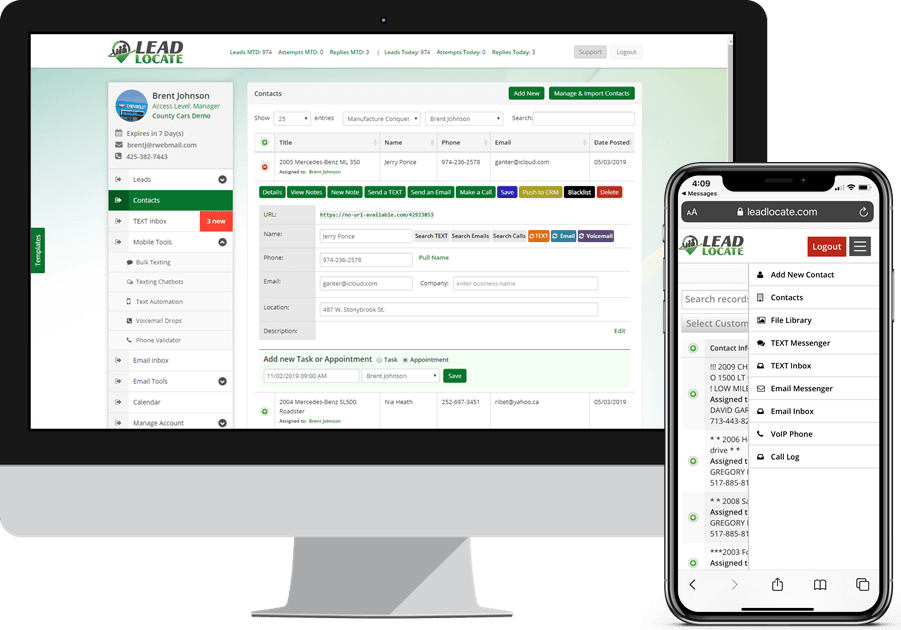
Credit: leadlocate.com
Benefits For Dealerships
Automotive dealerships can thrive with the right Customer Relationship Management (CRM) software. A CRM system streamlines operations and enhances customer interactions. These systems offer numerous benefits that help dealerships grow and succeed.
Enhanced Customer Experience
A CRM system helps dealerships manage customer data efficiently. It keeps track of customer preferences and purchase history. This allows sales teams to provide personalized service. Customers feel valued and understood. Happy customers are more likely to return and recommend the dealership to others.
Improved Sales Efficiency
CRM software automates many sales processes. It reduces the time spent on administrative tasks. Sales teams can focus more on selling cars and less on paperwork. The software also helps manage leads and follow-ups. This ensures no potential sale is missed. Sales cycles become shorter, leading to increased sales.
Better Marketing Campaigns
CRM systems provide valuable insights into customer behavior. Dealerships can use this data to create targeted marketing campaigns. These campaigns are more effective and yield better results. The software also tracks the success of marketing efforts. This helps in refining future campaigns for better outcomes.
How To Choose The Right Crm
Choosing the right automotive CRM software can seem daunting. But, with the right approach, you can find the best fit for your needs. Here are some essential steps to guide you through the process.
Assessing Your Needs
Start by understanding what your dealership requires. Make a list of your specific needs. Consider the following:
- Number of users
- Required features (e.g., lead tracking, customer follow-ups)
- Integration with existing systems
- Budget constraints
Knowing your needs helps narrow down options. This saves time and ensures you choose software that fits your business.
Comparing Options
Once you know your needs, start comparing different CRM options. Look at several factors:
| Feature | Option A | Option B | Option C |
|---|---|---|---|
| Lead Tracking | Yes | Yes | No |
| Customer Follow-ups | Yes | No | Yes |
| Integration | Yes | Yes | Yes |
| Cost | $$ | $ | $$$ |
Comparing these aspects helps you see which CRM meets your needs best.
Reading Reviews
Reviews provide insights from other users. They highlight the pros and cons of each CRM. Check reviews on:
- Software review sites
- Forums
- Social media
Pay attention to common issues and praise. This gives you a real-world perspective on how the CRM performs.
With these steps, you can confidently choose the right automotive CRM software for your business.
Implementation Tips
Implementing the best automotive CRM software can be a smooth process. It requires careful planning and a few strategic steps. This guide provides essential tips to ensure a successful implementation.
Training Your Team
Training your team is crucial. Ensure every team member understands how to use the new CRM. Schedule training sessions that cover all features and functions. Provide hands-on practice opportunities. This helps your team gain confidence in using the software.
Offer ongoing support and resources. Create a help guide or video tutorials. Encourage your team to ask questions and share their experiences. This fosters a collaborative learning environment.
Data Migration
Data migration is a critical step. Start by cleaning up your existing data. Remove duplicates and update outdated information. This ensures that only accurate and relevant data is transferred.
Next, map out the data fields. Ensure they align with the new CRM structure. Test the migration process with a small data set. This helps identify any potential issues before the full transfer. Use a phased approach to minimize disruptions.
Customization
Customization is key to maximizing the benefits of your CRM. Tailor the software to meet your specific business needs. Adjust the settings and workflows to match your processes.
Utilize custom fields and tags. This helps organize and categorize your data. Set up automated alerts and reminders. These features enhance efficiency and productivity.
Regularly review and update customizations. As your business evolves, your CRM should adapt. This ensures ongoing alignment with your objectives.
Implementing the best automotive CRM software can be a smooth process. It requires careful planning and a few strategic steps. This guide provides essential tips to ensure a successful implementation.
Training Your Team
Training your team is crucial. Ensure every team member understands how to use the new CRM. Schedule training sessions that cover all features and functions. Provide hands-on practice opportunities. This helps your team gain confidence in using the software.
- Offer ongoing support and resources.
- Create a help guide or video tutorials.
- Encourage your team to ask questions and share their experiences.
Data Migration
Data migration is a critical step. Start by cleaning up your existing data. Remove duplicates and update outdated information. This ensures that only accurate and relevant data is transferred.
Next, map out the data fields. Ensure they align with the new CRM structure. Test the migration process with a small data set. This helps identify any potential issues before the full transfer. Use a phased approach to minimize disruptions.
Customization
Customization is key to maximizing the benefits of your CRM. Tailor the software to meet your specific business needs. Adjust the settings and workflows to match your processes.
- Utilize custom fields and tags.
- Set up automated alerts and reminders.
- Regularly review and update customizations.
As your business evolves, your CRM should adapt. This ensures ongoing alignment with your objectives.
Overcoming Common Challenges
Implementing the best automotive CRM software can be challenging. Addressing common issues early helps in smooth adoption and long-term success. Below are three main challenges and how to overcome them.
User Adoption
One major challenge is user adoption. Employees may resist change. Ensuring a smooth transition requires training and support.
- Provide comprehensive training – Offer easy-to-understand training sessions.
- Encourage feedback – Listen to user concerns and address them quickly.
- Highlight benefits – Show how the CRM makes their job easier.
Create a user-friendly interface. Make it intuitive and easy to navigate. Simplify tasks and automate repetitive processes.
Integration Issues
Integration with existing systems can be problematic. Ensure the CRM software integrates seamlessly with your current tools.
| Step | Action |
|---|---|
| 1 | Identify critical systems that need integration. |
| 2 | Check compatibility with CRM software. |
| 3 | Plan the integration process carefully. |
Collaborate with IT teams. Ensure they understand the integration process. Use APIs and third-party connectors to ease the process.
Data Security
Data security is crucial in CRM implementation. Protecting customer information must be a priority.
- Use encryption – Encrypt data during transfer and storage.
- Implement access controls – Limit data access to authorized users only.
- Regularly update software – Keep the CRM software updated to protect against vulnerabilities.
Ensure compliance with data protection regulations. Conduct regular security audits. Train employees on data security best practices.
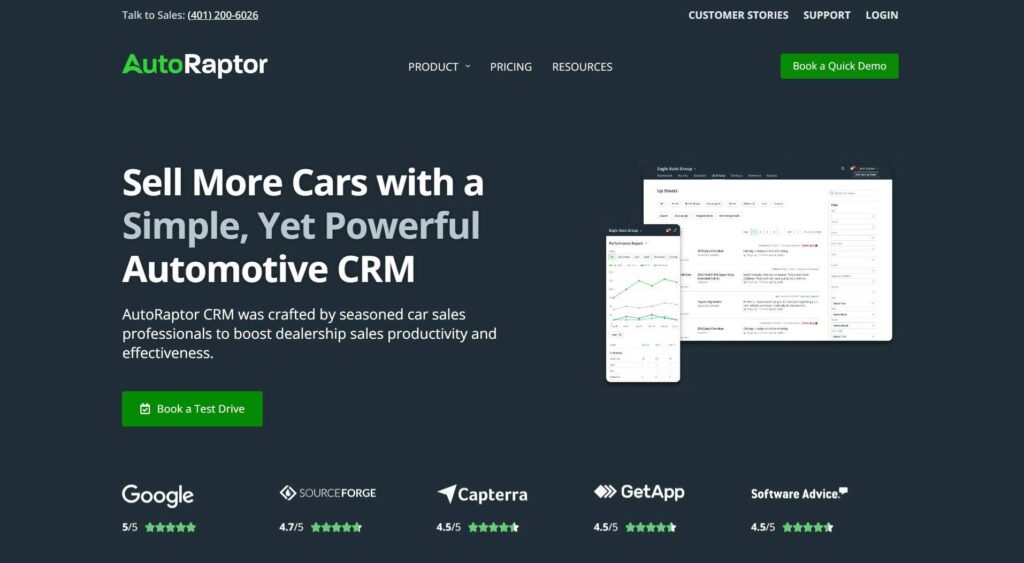
Credit: colorwhistle.com
Future Trends In Automotive Crm
The automotive industry is rapidly evolving. Future trends in automotive CRM software are shaping the way businesses interact with customers. Understanding these trends can help dealerships stay ahead of the competition.
Ai And Automation
Artificial Intelligence (AI) is transforming CRM systems. AI can analyze customer data efficiently. This allows for personalized marketing strategies. Automation helps streamline repetitive tasks. This saves time and reduces human error. As AI becomes more advanced, its role in CRM will grow. Automated responses and chatbots will provide instant customer support.
Mobile Accessibility
Mobile accessibility is crucial for modern CRM software. Sales teams need to access information on the go. Mobile-friendly CRM solutions offer real-time updates. This ensures that data is always current. Mobile apps enhance customer interactions. They allow for easy communication and quick responses. This improves overall customer satisfaction.
Enhanced Analytics
Data is vital for any business. Enhanced analytics in CRM software provide deeper insights. These insights help understand customer behavior. Businesses can make informed decisions based on data. Predictive analytics can forecast trends. This helps in planning future strategies. Enhanced analytics make CRM software more powerful and effective.
Frequently Asked Questions
What Is Automotive Crm Software?
Automotive CRM software helps car dealerships manage customer relationships. It streamlines sales processes, enhances customer communication, and boosts customer retention.
Why Use Automotive Crm Software?
Using automotive CRM software improves sales efficiency. It provides insights into customer behavior and helps personalize communication, leading to better customer satisfaction.
How Does Automotive Crm Software Work?
Automotive CRM software collects and organizes customer data. It automates communication and tracks interactions, helping dealerships manage leads and follow-ups effectively.
What Features Should Automotive Crm Software Have?
Essential features include lead management, customer communication, reporting, and integration with other tools. Additional features like automation and analytics are also beneficial.
Conclusion
Choosing the best automotive CRM software can transform your dealership. It boosts efficiency and customer relationships. Always consider features, ease of use, and support. Evaluate options carefully. Better tools mean better business. Stay ahead by using the right CRM. Your dealership’s future depends on smart choices today.
]]>Financial advisors need CRM software to keep track of client interactions, manage data, and automate tasks. With so many options available, it can be hard to choose the right one. The best CRM software for financial advisors offers features tailored to the industry.
It helps you stay organized, improve client communication, and boost productivity. In this post, we will explore top CRM software options designed specifically for financial advisors. We’ll look at their key features, benefits, and why they stand out. Whether you’re a seasoned advisor or just starting out, finding the right CRM can make a significant difference in your business.
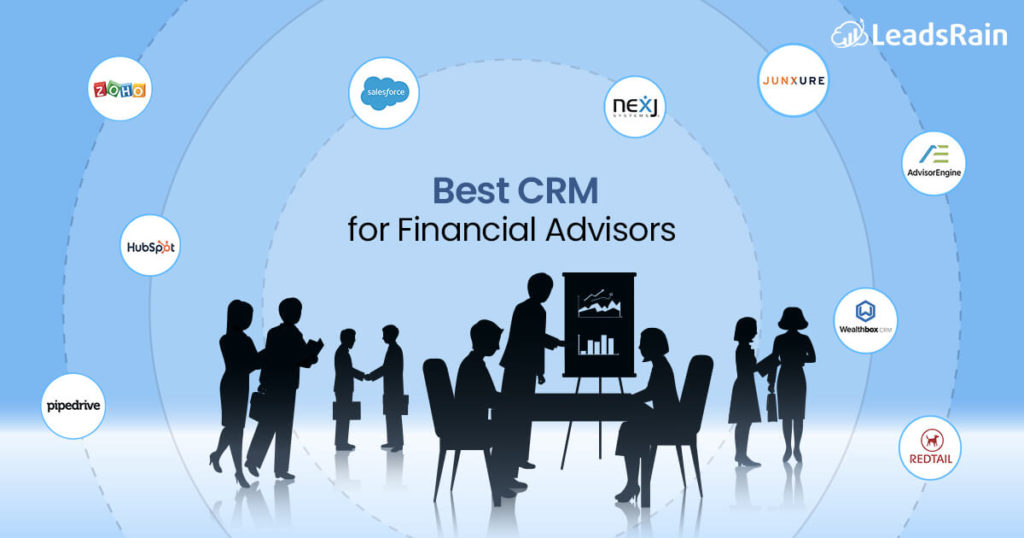
Credit: leadsrain.com
Introduction To Crm For Financial Advisors
Customer Relationship Management (CRM) software is essential for financial advisors. It helps manage client relationships and streamline operations. Understanding CRM’s importance can transform how advisors manage their practices.
Importance Of Crm
CRM software centralizes client data. This makes it easier to access and manage. Advisors can track interactions and keep detailed notes. This helps build stronger relationships with clients.
CRM also automates routine tasks. Scheduling meetings, sending reminders, and following up become seamless. This saves time and reduces the chance of errors. Advisors can focus more on providing quality advice.
Security is another key aspect. CRM systems protect sensitive client information. They comply with regulations and ensure data privacy. This builds trust and confidence with clients.
Key Features To Look For
First, ensure the CRM has robust contact management. It should store detailed client information. This includes financial goals, risk tolerance, and personal details.
Next, look for task automation features. The CRM should automate emails, reminders, and follow-ups. This keeps the advisor’s schedule organized and efficient.
Integration capabilities are also important. The CRM should integrate with other tools. This includes financial planning software and communication platforms. Seamless integration enhances productivity.
Reporting and analytics features are crucial. The CRM should provide insights into client behavior and business performance. These insights help advisors make informed decisions.
Finally, consider the user interface. The CRM should be easy to navigate. A user-friendly interface ensures quick adoption and efficient use.
Benefits Of Crm Software
CRM software offers several benefits for financial advisors. It helps streamline client management, improve productivity, and foster better client relationships. Let’s explore these benefits in detail.
Improved Client Relationships
CRM software helps financial advisors keep track of client interactions. It stores client information in one place, making it easy to access. Advisors can personalize communication based on client preferences. This builds trust and strengthens relationships. Clients feel valued when their advisor remembers details about their lives.
Enhanced Productivity
CRM software automates many routine tasks. This saves time for financial advisors. Automated reminders help manage schedules efficiently. Advisors can focus more on strategic tasks. The software also helps in tracking client progress and managing documents. This reduces administrative work and boosts overall productivity.
Top Crm Software In 2025
Choosing the best CRM software for financial advisors in 2025 can significantly improve efficiency and client satisfaction. With many options available, it’s essential to select the right one for your needs. Below, we discuss the top CRM software in 2025, including criteria for selection and an overview of the top picks.
Criteria For Selection
To choose the best CRM software, consider the following criteria:
- User-friendly interface: Easy to navigate and use.
- Customization: Ability to tailor features to your needs.
- Integration: Seamless integration with other tools and platforms.
- Security: High-level security to protect client data.
- Support: Reliable customer support for troubleshooting.
Overview Of Top Picks
Here are the top CRM software options for financial advisors in 2025:
| Software | Key Features | Pricing |
|---|---|---|
| Wealthbox | Simple interface, task management, email tracking | Starts at $35/month |
| Redtail CRM | Customizable workflows, document storage, integrations | Starts at $99/month |
| Salesforce Financial Services Cloud | Advanced analytics, client profiles, robust security | Contact for pricing |
| Junxure | Client management, workflow automation, secure storage | Starts at $65/month |
Each of these CRM software options offers unique features. They cater to different needs and budgets. Evaluate them based on the criteria mentioned to find the best fit for your practice.

Credit: crm.org
Salesforce Financial Services Cloud
Salesforce Financial Services Cloud is a specialized CRM for financial advisors. It helps manage client relationships, track financial goals, and provide personalized advice. This cloud-based solution enhances productivity and client satisfaction.
Key Features
Salesforce Financial Services Cloud offers a variety of features tailored for financial advisors:
- Client Profiles: Detailed profiles with financial goals, history, and preferences.
- Action Plans: Create and manage task lists for client goals.
- Compliance Tools: Ensure regulatory compliance with integrated tools.
- Collaboration: Share information and collaborate with team members easily.
- Analytics: Advanced analytics and reporting to track performance.
- Integration: Seamless integration with other Salesforce products and third-party apps.
Pros And Cons
Like any software, Salesforce Financial Services Cloud has its strengths and weaknesses:
| Pros | Cons |
|---|---|
|
|
Redtail Crm
Redtail CRM is a popular customer relationship management software designed for financial advisors. It helps streamline client management, improve productivity, and maintain compliance. Let’s explore its key features, pros, and cons.
Key Features
- Client Management: Easily manage client data, communications, and interactions in one place.
- Task Management: Create, assign, and track tasks to ensure timely follow-ups.
- Document Storage: Store and organize important documents securely.
- Email Integration: Integrate with email platforms for seamless communication.
- Reporting: Generate detailed reports to analyze business performance.
Pros And Cons
| Pros | Cons |
|---|---|
|
|
Wealthbox Crm
Financial advisors need robust tools to manage their client relationships. Wealthbox CRM is one of the best options available. It offers a range of features designed to help advisors streamline their work and enhance client interactions.
Key Features
Wealthbox CRM stands out with its impressive features:
- User-Friendly Interface: Easy to navigate and use.
- Task Management: Helps keep track of daily tasks and deadlines.
- Client Data: Stores detailed client information securely.
- Email Integration: Syncs with major email providers.
- Activity Streams: Shows real-time updates on client activities.
- Contact Management: Centralizes all client communications.
- Collaboration Tools: Facilitates teamwork within the firm.
- Reports and Analytics: Provides insights into business performance.
Pros And Cons
Let’s take a look at the advantages and disadvantages of using Wealthbox CRM:
| Pros | Cons |
|---|---|
| Intuitive design | No mobile app |
| Comprehensive client data management | Limited customization options |
| Effective task management | Higher price point |
| Robust email integration | No offline access |
| Real-time activity streams | Initial setup can be time-consuming |
Junxure Crm
Junxure CRM is a specialized customer relationship management software designed for financial advisors. This tool helps advisors manage client relationships, streamline operations, and improve productivity. Junxure CRM stands out due to its unique features tailored to the financial industry. The system is intuitive and integrates well with other financial tools, making it a popular choice among advisors.
Key Features
Junxure CRM offers a range of features that cater specifically to financial advisors. Here are some key features:
- Client Management: Easily track client interactions and manage client data.
- Workflows: Automate tasks and processes to save time and reduce errors.
- Document Management: Securely store and manage client documents.
- Reporting: Generate detailed reports to gain insights into your business.
- Integrations: Seamlessly connect with other financial tools and software.
Pros And Cons
To help you decide if Junxure CRM is right for you, here are some pros and cons:
| Pros | Cons |
|---|---|
| Comprehensive Features: Offers tools that cover all aspects of client management. | Learning Curve: May take time to fully understand all features. |
| Integration Capabilities: Easily integrates with other financial tools. | Cost: Can be expensive for smaller firms. |
| Automation: Saves time by automating routine tasks. | Customization: Limited customization options. |
Comparing Top Crm Software
Choosing the right CRM software is crucial for financial advisors. It helps manage client relationships and streamline operations. With many options available, comparing features and prices can be tough. This section will compare the top CRM software for financial advisors.
Feature Comparison
Not all CRM software is the same. Some offer advanced features, while others focus on basic needs. Look for software with client management, task tracking, and reporting tools. These features help advisors stay organized and efficient. Integration with other tools, like email and calendar apps, is also important. It ensures seamless workflows and better productivity.
Pricing Comparison
Pricing is another key factor. CRM software can range from affordable to expensive. Some offer free trials or basic plans for small businesses. Others have tiered pricing based on features and users. Consider the budget and the value offered by the software. Investing in the right CRM can save time and money in the long run.
Choosing The Right Crm
Choosing the right CRM software is crucial for financial advisors. A CRM helps manage client relationships, track interactions, and streamline processes. But, how do you choose the best one? Let’s break it down.
Assessing Your Needs
First, understand your specific needs. Do you require advanced analytics? Or perhaps integration with other tools? Make a list of must-have features. Consider the size of your team. Small teams may need different features compared to larger teams. Here’s a simple table to help you assess your needs:
| Feature | Importance Level | Notes |
|---|---|---|
| Contact Management | High | Store client information securely |
| Integration with Financial Tools | Medium | Sync with accounting software |
| Customizable Reports | Low | Generate specific data insights |
Implementation Tips
Implementing a CRM can seem daunting. But with the right approach, it becomes manageable. Start by involving key team members in the process. Their input can be invaluable. Follow these steps for a smoother implementation:
- Choose a CRM: Based on your needs assessment.
- Train Your Team: Ensure everyone knows how to use the CRM.
- Data Migration: Transfer existing data carefully.
- Test the System: Before full deployment, test with a small group.
- Monitor and Adjust: Regularly review the CRM’s performance and make adjustments.
By following these tips, you can ensure a successful CRM implementation. Remember, the right CRM can greatly enhance your efficiency and client satisfaction.
Credit: www.techfunnel.com
Frequently Asked Questions
What Is The Best Crm For Financial Advisors?
The best CRM for financial advisors is one that offers client management, compliance tracking, and financial planning tools. It should enhance productivity.
Why Do Financial Advisors Need Crm Software?
Financial advisors need CRM software to manage client relationships, streamline workflows, and ensure compliance. It improves client service and business efficiency.
Can Crm Software Help With Compliance?
Yes, CRM software can help with compliance by tracking client interactions, storing necessary documents, and automating compliance processes. It ensures regulatory adherence.
Is Crm Software Secure For Financial Advisors?
Most CRM software for financial advisors offers robust security features, including data encryption and secure access controls. It protects sensitive client information.
Conclusion
Choosing the right CRM software can transform your financial advising practice. It helps manage client relationships and improves efficiency. Evaluate your needs, then select the software that fits best. The right CRM can make your work easier and your clients happier.
Invest in a solution that supports your goals. With the right CRM, you can focus on what you do best: advising your clients.
]]>Finding the best CRM and project management software can be challenging. With so many options available, it’s hard to know which one suits your needs. This guide will help you navigate through top choices, highlighting their key features and benefits.
Whether you’re a small business owner or part of a large team, the right tools can make a big difference. We’ll explore how these software solutions can improve your workflow, enhance collaboration, and keep your projects on track. Stay tuned to discover the best options that fit your requirements and budget.

Credit: zixflow.com
Introduction To Crm And Project Management Software
In today’s fast-paced business world, managing customer relationships and projects can be challenging. This is where CRM and Project Management Software come into play. These tools help businesses organize, automate, and manage their customer interactions and project tasks efficiently.
Importance Of Crm
Customer Relationship Management (CRM) software is vital for any business aiming to improve customer satisfaction. It helps in tracking customer interactions, managing leads, and automating sales processes. By using CRM software, businesses can:
- Maintain detailed customer records
- Analyze customer behavior
- Improve communication with clients
- Enhance customer service
CRM systems store data that can be used to better understand customer needs. This information allows businesses to create personalized marketing strategies. This ultimately leads to higher customer retention.
Benefits Of Project Management Tools
Project Management Tools are essential for keeping teams on track and ensuring projects are completed on time. These tools provide features like task management, time tracking, and resource allocation. Key benefits include:
| Feature | Benefit |
|---|---|
| Task Management | Helps in breaking down projects into manageable tasks |
| Time Tracking | Keeps track of time spent on each task |
| Resource Allocation | Ensures optimal use of resources |
Using project management tools, teams can collaborate more effectively. These tools also provide real-time updates on project progress. This ensures that everyone is on the same page and reduces the risk of miscommunication.
Both CRM and project management software are crucial for improving efficiency and productivity. Businesses that invest in these tools often see significant improvements in their overall performance.

Credit: productive.io
Key Features To Look For
Choosing the right CRM and project management software can be daunting. There are many options available, each with unique features. Knowing what to look for can simplify the decision-making process. This section will outline key features that can make or break your software choice.
User-friendly Interface
A user-friendly interface is crucial. It ensures that your team can navigate the software with ease. Look for a clean and intuitive design. The learning curve should be minimal. This saves time and boosts productivity.
Integration Capabilities
Integration capabilities are another essential feature. Your chosen software should easily integrate with other tools you use. This includes email, calendars, and file-sharing apps. Seamless integration helps in maintaining a smooth workflow. It reduces the need for constant switching between applications.
Customization Options
Customization options add significant value. The software should allow you to tailor it to your needs. Custom fields, dashboards, and workflows can enhance its effectiveness. This flexibility ensures that the software grows with your business.
Criteria For Selecting The Best Software
Choosing the right CRM and project management software can make a huge difference. It can streamline your processes and improve efficiency. Here are some important criteria to consider when selecting the best software.
Scalability
Scalability is crucial for growing businesses. You need software that can grow with you. Look for features that allow easy upgrades. It should handle more users, projects, and data as your business expands. Ensure the software integrates well with other tools. This will help maintain efficiency as your needs evolve.
Cost-effectiveness
Consider the cost-effectiveness of the software. It’s important to get value for your money. Compare the features and benefits against the price. Look for software that offers flexible pricing plans. This way, you pay for what you need. Free trials or demo versions can help you evaluate the software before committing.
Customer Support
Customer support is vital for resolving issues quickly. Good support can save you time and frustration. Look for software with multiple support channels. This includes phone, email, and live chat. Check reviews to see how responsive and helpful the support team is. 24/7 support can be a big advantage for businesses in different time zones.
| Criteria | Importance |
|---|---|
| Scalability | Handles growth and changes |
| Cost-Effectiveness | Provides good value |
| Customer Support | Ensures smooth operation |

Credit: productive.io
Top Crm Software For 2025
As we approach 2025, many businesses are looking for the best CRM software to manage their customer relationships. The right CRM software can streamline processes, improve customer interactions, and boost productivity. Here, we will discuss the top CRM software for 2025.
Software A
Software A stands out for its user-friendly interface. It offers easy navigation, making it simple for teams to use. It integrates with other tools, ensuring seamless data management. Its customizable features help businesses tailor the software to their needs.
Software B
Software B is known for its robust analytics. It provides detailed insights into customer behavior. This helps businesses make informed decisions. Its automation tools reduce manual tasks, saving time and effort. It also supports mobile access, allowing teams to work from anywhere.
Software C
Software C excels in customer support features. It offers live chat, email, and phone support. Its ticketing system ensures no customer query goes unanswered. It also includes a knowledge base for self-service. This improves customer satisfaction and retention.
Top Project Management Tools For 2025
In 2025, project management tools will be crucial for businesses. The right software can improve efficiency. It helps teams collaborate better and manage tasks with ease. Let’s explore the top project management tools for the year.
Tool A
Tool A offers a user-friendly interface. Its dashboard is intuitive and easy to navigate. Teams can track progress with visual charts. Task assignments are straightforward. The software integrates well with other popular tools. It provides strong customer support.
Tool B
Tool B focuses on flexibility. It allows customization to fit different workflows. Users can create and manage tasks effortlessly. The tool supports real-time collaboration. It offers mobile access, ensuring work can be managed on the go. Security features are robust.
Tool C
Tool C shines with automation. It reduces manual work by automating repetitive tasks. The platform includes built-in templates. Users can start projects quickly. Reporting tools help track performance. It also supports integration with various apps.
Comparing Crm And Project Management Software
In today’s fast-paced business world, managing customer relationships and projects efficiently is crucial. Both CRM (Customer Relationship Management) and project management software offer unique features. These tools help streamline operations, improve productivity, and enhance customer satisfaction. But which one is right for your business? Let’s dive into a detailed comparison.
Feature Comparison
CRM software focuses on managing customer interactions, sales pipelines, and marketing campaigns. Project management software, on the other hand, is designed for planning, executing, and tracking projects. Here’s a quick comparison of their main features:
| Feature | CRM Software | Project Management Software |
|---|---|---|
| Primary Focus | Customer interactions and sales | Project planning and execution |
| Task Management | Basic | Advanced |
| Collaboration Tools | Moderate | Extensive |
| Reporting | Sales and customer data | Project progress and timelines |
| Automation | Sales workflows | Task reminders and updates |
Pricing Comparison
Pricing is a significant factor when choosing software. Both CRM and project management tools vary in price based on features, user count, and company size. Here’s a brief look at their pricing models:
- CRM Software: Typically priced per user, per month. Costs range from $12 to $150, depending on features and the number of users.
- Project Management Software: Also priced per user, per month. Prices range from $10 to $99, depending on the complexity of the tool and number of users.
Both types of software offer free trials or basic plans to test their features. It’s important to evaluate your business needs and budget before deciding.
Real-world Use Cases
Small businesses benefit from CRM and project management software to streamline customer interactions and manage tasks efficiently. Sales teams use it to track leads and improve conversions. Marketing departments plan campaigns and monitor performance with ease.
Understanding how CRM and project management software work in real-life scenarios helps businesses see their true value. Here, we explore two case studies that highlight the benefits and applications of these tools.Case Study 1
A small marketing agency struggled with client communication. They often missed deadlines and had disorganized project timelines. They implemented a CRM and project management software solution. This software helped them organize tasks and streamline communication. With the new system, they could track client interactions in one place. The project management features allowed them to set clear deadlines. They could assign tasks to team members efficiently. As a result, they saw a significant improvement in project delivery times. Client satisfaction increased. Their team could focus more on creative work rather than administrative tasks. The software also provided valuable analytics. These insights helped the agency refine their processes further.Case Study 2
A mid-sized IT company faced challenges in managing multiple projects. They had difficulty tracking project progress and resource allocation. By adopting a CRM and project management software, they transformed their workflow. The software enabled them to visualize all projects on a single dashboard. They could monitor progress in real-time. It helped them allocate resources more effectively. Teams could collaborate better with shared calendars and task lists. Client interactions were also easier to manage. The CRM features helped them maintain detailed records. They could keep track of customer needs and feedback. This led to improved customer service. Their project completion rates improved. Teams were more productive and less stressed. The company saw better overall performance. The clear, organized system made work more manageable for everyone involved. “`Future Trends In Crm And Project Management Software
As technology evolves, so do the tools we use for managing customer relationships and projects. The future of CRM and project management software is bright, with several exciting trends on the horizon. These trends are set to enhance productivity, improve data insights, and automate mundane tasks, making work easier and more efficient for businesses.
Ai And Automation
Artificial Intelligence (AI) and automation are transforming CRM and project management software. AI can analyze vast amounts of data quickly, providing valuable insights into customer behavior and project performance. This helps businesses make informed decisions and anticipate customer needs.
Automation reduces repetitive tasks, freeing up time for more strategic work. For instance, automated workflows can handle routine tasks like data entry, follow-up emails, and task assignments. This not only saves time but also minimizes errors, ensuring that projects run smoothly and efficiently.
Enhanced Data Analytics
Data analytics is becoming more advanced, offering deeper insights into customer interactions and project metrics. Enhanced analytics tools can track key performance indicators (KPIs), monitor project progress, and analyze customer feedback. This helps businesses identify trends, measure success, and pinpoint areas for improvement.
With better data visualization tools, businesses can easily understand complex data sets. Dashboards and reports present data in a clear and concise manner, making it easier for teams to make data-driven decisions. This leads to better project outcomes and improved customer satisfaction.
Incorporating these future trends into CRM and project management software will make businesses more agile and responsive. The adoption of AI, automation, and enhanced data analytics will drive efficiency and success in managing customer relationships and projects.
Frequently Asked Questions
What Is The Best Crm Software?
The best CRM software depends on your business needs. Popular options include Salesforce, HubSpot, and Zoho CRM. These platforms offer robust features for managing customer relationships.
How Does Project Management Software Help?
Project management software helps streamline tasks and improve team collaboration. It offers tools for tracking progress, deadlines, and resource allocation. This leads to increased productivity and efficiency.
Can Crm And Project Management Be Integrated?
Yes, many CRM and project management tools can be integrated. Integration helps unify customer data and project tasks. This creates a seamless workflow and improves overall business efficiency.
What Features Should I Look For In Crm Software?
Look for features like contact management, lead tracking, and sales automation. Reporting and analytics are also important. Additionally, ensure the software is user-friendly and scalable.
Conclusion
Choosing the best CRM and project management software boosts productivity. It streamlines tasks, improves communication, and enhances team collaboration. Evaluating features and ease of use helps find the right fit. Consider customer support and pricing plans too. Investing in the right software saves time and reduces stress.
Your business deserves efficient tools for success. Make an informed choice and watch your projects thrive.
]]>In the fast-paced world of consulting, having a reliable Customer Relationship Management (CRM) system is vital. Consultants juggle multiple clients, projects, and deadlines. A good CRM software can simplify these tasks, making it easier to keep track of important details.
It helps consultants stay organized, manage their time better, and improve client satisfaction. In this blog, we will explore the top CRM software options that cater specifically to the needs of consultants. Whether you are a solo consultant or part of a larger firm, finding the right CRM can significantly impact your efficiency and success. Let’s dive in and discover the best CRM tools for consultants.
Introduction To Crm For Consultants
Consultants need to manage client relationships and streamline their workflow. This is where Customer Relationship Management (CRM) software comes in. A good CRM can help consultants organize client data, track interactions, and improve customer satisfaction.
Choosing the right CRM software can be a game-changer for consultants. It can help you save time, increase productivity, and provide better services to your clients. This blog post will guide you through the importance of CRM in consulting and key features to look for in CRM software.
Importance Of Crm In Consulting
CRM software is vital for consultants. It helps manage client information in one place. This ensures you can access all client data easily.
A CRM system can track interactions with clients. This includes calls, emails, and meetings. This makes it easier to follow up and maintain relationships.
With CRM, you can automate tasks. This saves time and reduces errors. You can focus on providing high-quality consulting services.
Key Features To Look For
When choosing CRM software, look for these key features:
- Contact Management: Store and organize client information in one place.
- Task Automation: Automate repetitive tasks to save time.
- Communication Tracking: Track emails, calls, and meetings with clients.
- Reporting and Analytics: Generate reports to analyze performance and client data.
- Integration: Ensure the CRM integrates with other tools you use.
Here’s a table that summarizes these features:
| Feature | Importance |
|---|---|
| Contact Management | Essential for organizing client information. |
| Task Automation | Saves time and reduces errors. |
| Communication Tracking | Helps maintain client relationships. |
| Reporting and Analytics | Provides insights into performance. |
| Integration | Ensures seamless workflow with other tools. |

Credit: productive.io
Top Crm Software For 2025
Choosing the right CRM software can be challenging for consultants. With numerous options available, finding the best fit for your needs is essential. In 2025, several CRM tools stand out for their features and ease of use. Let’s explore the top CRM software for consultants in 2025.
Overview Of Leading Crm Tools
Several CRM tools have gained popularity among consultants. These tools offer various features that cater to different needs. Salesforce, HubSpot, and Zoho CRM are some of the top choices. They provide user-friendly interfaces and powerful functionalities.
Salesforce is known for its customization options. It helps consultants manage client relationships effectively. HubSpot offers a free version with essential features. It’s perfect for small consulting firms. Zoho CRM is affordable and scalable. It’s suitable for growing businesses.
Comparative Analysis
Comparing these CRM tools can help you make an informed decision. Salesforce offers extensive customization. It integrates well with other tools. It’s ideal for large consulting firms. HubSpot’s free version is attractive. It provides basic CRM functions without any cost. It’s great for startups and small businesses.
Zoho CRM stands out for its affordability. It offers various plans to suit different budgets. It’s a good choice for growing firms. Each of these tools has its strengths. Your choice depends on your specific needs and budget.
Salesforce Crm
Salesforce CRM is a powerful tool for consultants. It offers features that streamline client management and improve productivity. It’s one of the most popular CRM platforms available.
Key Features
Salesforce CRM provides a range of features designed to help consultants. It includes contact management to keep track of client details. The platform also offers task management to organize daily activities. It integrates with email and calendar systems for seamless communication. Salesforce CRM also provides analytics to track performance and generate reports.
Pros And Cons
There are several advantages to using Salesforce CRM. It has a user-friendly interface, making it easy to navigate. The platform is highly customizable to meet specific needs. It also offers robust integration options with other software. On the downside, Salesforce CRM can be expensive for small firms. It may also require some training to use all features effectively.
Pricing
Salesforce CRM offers different pricing plans to suit various needs. The basic plan starts at $25 per user per month. More advanced plans can go up to $300 per user per month. There are also enterprise options for large organizations. Each plan offers different levels of features and support.

Credit: zixflow.com
Hubspot Crm
HubSpot CRM is a leading choice for consultants. It offers a robust set of tools to help manage client relationships and streamline processes. Easy to use and powerful, it helps consultants stay organized and efficient. Let’s explore its key features, pros and cons, and pricing.
Key Features
HubSpot CRM provides a range of features designed to make client management simple.
- Contact Management: Store detailed information about clients and leads.
- Task Automation: Automate repetitive tasks to save time.
- Email Tracking: Know when clients open your emails.
- Reporting Dashboard: Get insights into your performance.
- Meeting Scheduling: Schedule and manage client meetings effortlessly.
Pros And Cons
HubSpot CRM comes with various advantages and some drawbacks.
- Pros:
- Free to use with essential features.
- Easy to set up and navigate.
- Integrates well with other tools.
- Excellent customer support.
- Cons:
- Advanced features are paid.
- May be overwhelming for beginners.
- Some limitations in customization.
Pricing
HubSpot CRM offers a free plan with basic features. For advanced tools, there are paid plans.
- Free Plan: $0 per month
- Starter Plan: Starts at $45 per month
- Professional Plan: Starts at $800 per month
- Enterprise Plan: Starts at $3,200 per month
These plans cater to different needs and budgets. Choose one based on your requirements.
Zoho Crm
Zoho CRM is a popular choice among consultants. It offers a range of features that help manage client relationships efficiently. Known for its flexibility and integration capabilities, Zoho CRM is ideal for businesses of all sizes.
Key Features
- Contact Management: Store and manage your client information in one place.
- Sales Automation: Automate routine sales tasks to save time.
- Analytics: Gain insights through detailed reports and dashboards.
- Customization: Customize the CRM to fit your business needs.
- Integration: Integrate with other Zoho apps and third-party tools.
Pros And Cons
| Pros | Cons |
|---|---|
|
|
Pricing
| Plan | Cost per User per Month | Features |
|---|---|---|
| Free | $0 |
|
| Standard | $12 |
|
| Professional | $20 |
|
| Enterprise | $35 |
|
Pipedrive Crm
Pipedrive CRM is a popular choice among consultants. It offers a user-friendly interface and powerful features. Designed to help manage client relationships efficiently, Pipedrive CRM enhances productivity and streamlines workflow.
Key Features
- Pipeline Management: Visualize your sales pipeline and track progress.
- Activity Reminders: Set reminders for important tasks and follow-ups.
- Email Integration: Integrate your email for seamless communication.
- Customizable Dashboards: Tailor dashboards to suit your needs.
- Mobile App: Access your CRM on the go with the mobile app.
Pros And Cons
| Pros | Cons |
|---|---|
| Easy to use | Limited customization options |
| Affordable pricing | No built-in phone support |
| Excellent customer support | Basic reporting features |
Pricing
Pipedrive CRM offers multiple pricing plans to suit different needs.
- Essential Plan: $12.50 per user/month, billed annually.
- Advanced Plan: $24.90 per user/month, billed annually.
- Professional Plan: $49.90 per user/month, billed annually.
- Enterprise Plan: $99.00 per user/month, billed annually.
Each plan comes with a free trial to test the features.
Choosing The Right Crm
Choosing the right CRM software is crucial for consultants. It helps manage client relationships efficiently. The right CRM can streamline your workflow and increase productivity. But how do you choose the best one? Let’s break it down.
Assessing Your Needs
First, assess your needs. What features are essential for your consulting business? Do you need email integration? What about task management? Make a list of must-have features. This will help narrow down your options.
Customization And Scalability
Next, consider customization. Can the CRM be tailored to fit your processes? Custom fields and workflows can make a big difference. Also, think about scalability. Will the CRM grow with your business? You want a solution that can handle more clients and data as your business expands.

Credit: www.linkedin.com
Implementing Crm In Your Consulting Practice
Implementing CRM in your consulting practice streamlines client management, boosts efficiency, and enhances client relationships. Discover the best CRM software for consultants to optimize your workflow and improve client satisfaction.
Implementing CRM software in your consulting practice can streamline client management. It can also improve communication and boost productivity. To achieve these benefits, follow some best practices and be aware of common challenges.Best Practices
First, define your goals. Know what you want to achieve with CRM software. This helps in selecting the right features. Next, train your team. Everyone should know how to use the CRM system. Regular training sessions ensure that the staff stays updated. Integrate CRM with existing tools. This will make data access easier. Use CRM data for making informed decisions. It will help in understanding client needs better. Lastly, keep the CRM data clean. Regular updates are essential for accuracy.Common Challenges And Solutions
One common challenge is data migration. Moving data from old systems to a new CRM can be tough. To solve this, plan the migration in phases. Test each phase before moving to the next. This reduces errors. User adoption is another challenge. Some team members may resist change. To overcome this, involve them in the selection process. Show them the benefits. Provide continuous support. Data security is crucial. Ensure your CRM software has strong security features. Use encryption and regular backups. This protects your data from breaches. System integration can be complex. Ensure your CRM can work with other tools you use. Consult with tech experts if needed. Make sure all systems communicate well. Finally, measuring ROI can be difficult. Set clear KPIs from the start. Track performance regularly. Adjust strategies based on the results. Implementing CRM in your consulting practice can bring many benefits. Following best practices and addressing common challenges will ensure success. “`Future Trends In Crm For Consultants
The future of CRM software for consultants is evolving fast. New trends are shaping how consultants manage client relationships. These trends include AI and automation and enhanced client engagement. Let’s explore these trends in detail.
Ai And Automation
AI and automation are changing the CRM landscape for consultants. These technologies help automate repetitive tasks. Consultants can focus more on strategic activities. Here are some key benefits:
- Automated data entry: AI can handle data input, reducing errors.
- Predictive analytics: AI analyzes data to forecast client needs.
- Chatbots: AI-powered chatbots provide instant client support.
AI and automation enhance efficiency. They save time and improve accuracy. This results in better client management and satisfaction.
Enhanced Client Engagement
Enhanced client engagement is crucial for consultants. CRM software is becoming more client-focused. Here are some features driving this trend:
- Personalized communication: CRMs use data to tailor messages.
- Client portals: Self-service portals provide clients with easy access to information.
- Feedback tools: CRMs collect and analyze client feedback for better service.
These features help build strong client relationships. They provide a personalized experience and improve client satisfaction. Consultants can better understand client needs and preferences.
Frequently Asked Questions
What Is The Best Crm For Consultants?
The best CRM for consultants depends on specific needs. Popular options include HubSpot, Salesforce, and Zoho CRM.
How Can Crm Software Help Consultants?
CRM software helps consultants manage client relationships, track interactions, and streamline workflows. It improves efficiency and client satisfaction.
Is Crm Necessary For Small Consulting Firms?
Yes, CRM is beneficial for small consulting firms. It helps in managing client data, improving communication, and increasing productivity.
What Features Should Consultants Look For In A Crm?
Consultants should look for features like contact management, task automation, reporting, and integration with other tools. These features enhance productivity.
Conclusion
Choosing the right CRM software can transform your consulting business. The right tool helps manage client relationships efficiently. It saves time and boosts productivity. Each option listed offers unique benefits. Consider your specific needs before making a choice. Investing in a good CRM can lead to better client satisfaction.
It also simplifies your workflow. Start today and see the difference it makes. Your business deserves the best tools available.
]]>Finding the best CRM and email marketing software is crucial. It helps streamline your business and improve customer interaction. A good CRM system keeps track of customer data, while email marketing software helps you reach your audience effectively. Combining these tools can boost your marketing efforts, making them more efficient and productive.
Whether you’re a small business or a large corporation, having the right tools is essential. Let’s explore the best options available to help you make an informed choice.
Introduction To Crm And Email Marketing
Welcome to the world of CRM and email marketing! These tools help businesses manage customer relationships and send targeted emails. They can improve customer service and boost sales. Let’s explore what CRM and email marketing are, and why they are important.
What Is Crm?
CRM stands for Customer Relationship Management. It is a system that helps businesses manage interactions with customers and prospects. CRM software stores customer information, tracks interactions, and automates sales processes. This tool can improve customer service and sales efficiency.
Businesses use CRM to understand customer needs and preferences. This helps in providing better service and building strong relationships. CRM systems can also provide valuable insights and analytics. These insights help in making informed business decisions.
Importance Of Email Marketing
Email marketing is a powerful tool for reaching customers. It involves sending emails to customers and prospects. These emails can include promotions, newsletters, and updates. Email marketing helps businesses stay connected with their audience.
Targeted email campaigns can increase customer engagement. They can also drive sales and build brand loyalty. Email marketing is cost-effective and has a high return on investment (ROI). With the right strategy, businesses can achieve significant results.
Combining CRM and email marketing can enhance customer communication. It can also streamline marketing efforts. Together, they can provide a comprehensive approach to customer management and engagement.
Key Features To Look For
Choosing the best CRM and email marketing software can transform your business. The right software simplifies tasks, boosts efficiency, and enhances customer relationships. But what features should you prioritize? Let’s explore the key features to look for in CRM and email marketing software.
User-friendly Interface
A user-friendly interface is crucial. It ensures ease of use for all team members. Intuitive navigation helps users quickly find what they need. A clean layout reduces the learning curve. This leads to faster adoption and better productivity.
Automation Capabilities
Automation capabilities save time and reduce manual work. Look for software that automates repetitive tasks. This includes email campaigns, follow-ups, and data entry. Automation helps maintain consistent communication with customers. It also frees up time for more strategic activities.
Integration Options
Integration options expand the software’s functionality. Ensure the software integrates with other tools you use. This includes social media platforms, e-commerce systems, and analytics tools. Seamless integration streamlines workflows and improves data accuracy. It also provides a comprehensive view of your customer interactions.
Top Crm Software For 2025
The year 2025 will bring exciting advancements in CRM software. Businesses need efficient tools to manage customer relationships. Here, we explore the top CRM software for 2025. These tools promise to enhance productivity and customer engagement.
Salesforce
Salesforce leads the CRM market with its robust features. It offers customization to fit various business needs. Users can track customer interactions and sales processes easily. The platform integrates with many other business applications. Salesforce also provides analytics to help make informed decisions. Its user-friendly interface makes it accessible to all team members.
Hubspot Crm
HubSpot CRM is a popular choice for small to medium businesses. It’s free to start, which is great for new ventures. The software provides tools for email marketing, sales, and customer service. HubSpot CRM integrates well with other HubSpot products. The interface is intuitive, making it easy to learn and use. Automation features save time on repetitive tasks.
Zoho Crm
Zoho CRM offers a comprehensive suite of tools for businesses. It supports multichannel communication including email, social media, and live chat. Users can automate workflows to improve efficiency. Zoho CRM also features advanced analytics and reporting. It’s scalable, making it suitable for businesses of all sizes. The platform is known for its affordability and flexibility.
Best Email Marketing Tools
Choosing the best email marketing tools can significantly enhance your marketing efforts. These tools help you create, send, and track emails easily. They offer features like templates, automation, and analytics. Let’s dive into some of the top email marketing tools available.
Mailchimp
Mailchimp is one of the most popular email marketing tools. It offers a user-friendly interface and a variety of features.
- Drag-and-drop email builder
- Automated email campaigns
- Advanced analytics
- Wide range of integrations
Mailchimp is suitable for small to medium businesses. Its free plan includes basic features, making it a good start for beginners.
Constant Contact
Constant Contact is known for its excellent customer support and ease of use. It provides a range of features to enhance your email marketing efforts.
- Email templates
- Contact management
- Social media integration
- Event management
Constant Contact is ideal for businesses that need additional support. Its extensive resources help users get the most out of their email campaigns.
Sendinblue
Sendinblue offers comprehensive email marketing solutions. It focuses on automation and segmentation.
- Email automation
- Transactional emails
- Contact segmentation
- SMS marketing
Sendinblue is perfect for businesses looking for advanced automation. Its features help streamline email marketing processes and improve engagement.
All-in-one Solutions
All-in-one solutions can transform your CRM and email marketing tasks. They combine powerful features into a single platform. This saves time and improves efficiency.
Activecampaign
ActiveCampaign offers a blend of CRM and email marketing tools. You can manage contacts and automate emails. It has a user-friendly interface. You can easily track customer interactions. The built-in automation features are robust. They help streamline your marketing efforts.
Getresponse
GetResponse provides a range of tools for CRM and email marketing. It includes email templates and automation workflows. The platform also supports webinar hosting. This makes it unique. You can nurture leads and engage customers effectively. The analytics tools offer insights to improve your campaigns.
Keap
Keap is known for its simplicity and powerful features. It combines CRM, email marketing, and sales automation. You can set up custom workflows. This helps automate repetitive tasks. The platform also integrates with many other tools. This makes it versatile and adaptable. You can manage your business processes in one place.
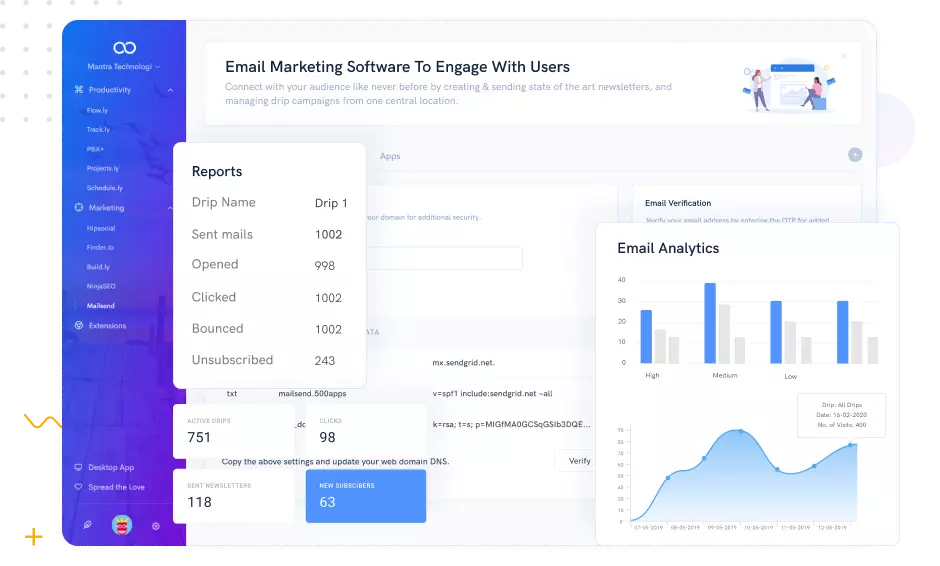
Credit: www.agilecrm.com
Comparing Pricing Plans
Choosing the right CRM and email marketing software can be challenging. Pricing is a key factor in your decision. Understanding the different pricing plans helps you make an informed choice. Here’s a breakdown of free vs paid plans and enterprise solutions.
Free Vs Paid Plans
Many CRM and email marketing software providers offer free plans. These are great for small businesses or startups. Free plans usually come with limited features. Basic functionalities such as contact management and email templates are often included.
Paid plans offer more advanced features. These can include automation, detailed analytics, and customer support. The cost varies by provider. Typically, plans are billed monthly or annually. Below is a comparison table of free vs paid plans:
| Plan Type | Features | Cost |
|---|---|---|
| Free Plan |
|
Free |
| Paid Plan |
|
Varies by provider (typically $10-$50/month) |
Enterprise Solutions
Enterprise solutions are designed for large businesses. These plans offer comprehensive features and support. They include advanced automation, multi-channel marketing, and personalized customer interactions. Enterprise plans often come with dedicated account managers and priority support.
Pricing for enterprise solutions can be complex. Costs are usually customized based on the business needs. Here are some common features of enterprise plans:
- Custom integrations
- Advanced security measures
- Scalable solutions for large teams
- Extensive customization options
Enterprise plans ensure that large businesses have the tools they need. They offer robust solutions for managing large customer bases effectively.
Customer Support And Resources
Choosing the best CRM and email marketing software involves evaluating customer support and resources. Quality support ensures smooth operations and quick problem resolution. Here’s a closer look at the support options provided.
Help Centers
Help centers are vital for immediate answers. They offer comprehensive articles, tutorials, and FAQs. Most top software companies maintain detailed help centers. These resources guide users through common issues and features. Users can find step-by-step instructions and troubleshoot problems independently.
Community Forums
Community forums provide a platform for users to share experiences. They allow users to ask questions and get answers from peers. Many users find solutions through these discussions. Forums also help in learning new tips and tricks. Engaging with a community can enhance the user experience.
Customer Service
Direct customer service is crucial for complex issues. Quality CRM and email marketing software offer responsive customer support. This includes phone, email, and live chat options. Timely assistance from the support team can solve technical problems. Good customer service builds trust and ensures user satisfaction.
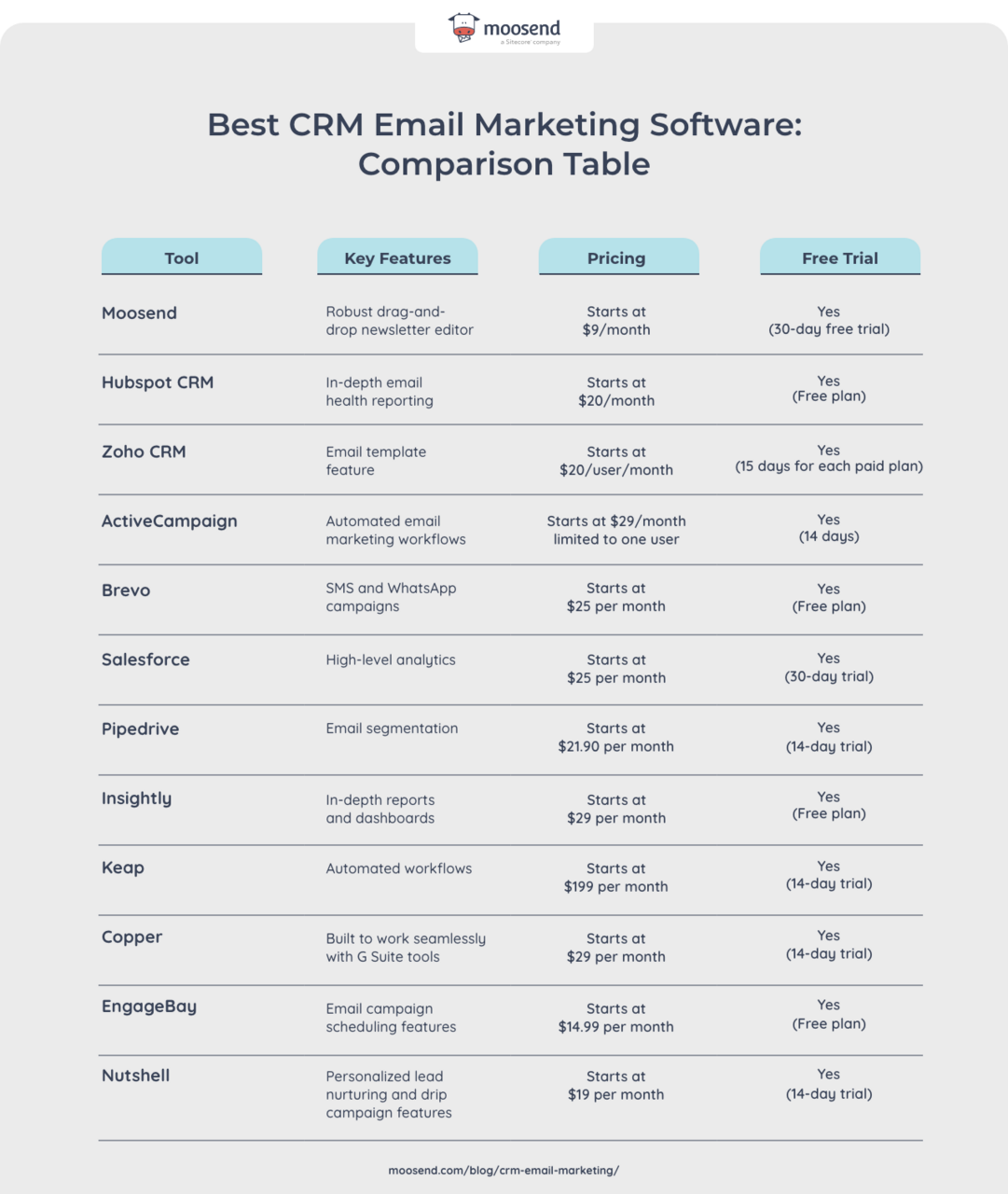
Credit: moosend.com
Future Trends In Crm And Email Marketing
The future of CRM and email marketing is evolving rapidly. New technologies are changing how businesses interact with customers. These advancements promise better efficiency and personalized experiences. Let’s explore the key trends shaping the future of CRM and email marketing.
Ai And Machine Learning
AI and Machine Learning are transforming CRM and email marketing. These technologies analyze vast amounts of data quickly. This helps businesses understand customer behavior better. AI can predict customer needs and suggest the best actions to take. It can also automate tasks, saving time for marketing teams.
For example, AI can segment email lists more accurately. This ensures that customers receive relevant content. Machine learning algorithms can also improve over time. They learn from each interaction to provide better recommendations. This leads to more effective marketing campaigns.
| AI Benefits | Impact |
|---|---|
| Data Analysis | Understand customer behavior |
| Task Automation | Save time for marketing teams |
| Accurate Segmentation | More relevant content for customers |
| Improved Recommendations | More effective campaigns |
Personalization
Personalization is becoming more important in CRM and email marketing. Customers expect content that is tailored to their needs. Generic messages are less effective. Personalized emails have higher open rates and engagement. Businesses must use customer data to create personalized experiences.
Here are some ways to achieve personalization:
- Use customer names in emails
- Send content based on past purchases
- Recommend products based on browsing history
- Tailor offers to customer preferences
Personalization can also extend to CRM systems. Sales teams can have a complete view of each customer. This helps in providing better service and closing deals faster. Personalized interactions build stronger customer relationships. They make customers feel valued and understood.
In conclusion, AI, machine learning, and personalization are the future of CRM and email marketing. These trends will help businesses provide better customer experiences. They will also drive growth and success in the competitive market.

Credit: www.pipedrive.com
Frequently Asked Questions
What Is The Best Crm Software For Small Businesses?
The best CRM software for small businesses includes HubSpot, Zoho CRM, and Salesforce. They offer user-friendly interfaces and essential features. These tools help manage customer relationships efficiently and support business growth.
How Does Email Marketing Software Work?
Email marketing software automates sending emails to targeted audiences. It helps create, schedule, and track email campaigns. This software improves engagement and conversions by delivering personalized content.
What Features Should A Good Crm Have?
A good CRM should have contact management, sales automation, and reporting features. It should also integrate with other tools and provide analytics. These features ensure better customer relationship management.
Can Crm Software Integrate With Email Marketing Tools?
Yes, many CRM software integrate with email marketing tools. Integrations enable seamless data sharing and improve campaign effectiveness. They help manage customer interactions and track engagement better.
Conclusion
Choosing the right CRM and email marketing software is vital. It enhances customer relationships. It boosts your marketing efforts. The best tools simplify your work. They save you time and resources. Consider your business needs. Compare features and pricing. Test a few options.
The right choice can make a big difference. Happy selecting!
]]>