
In the world of B2B, managing customer relationships is crucial. The right CRM software can make all the difference.
B2B CRM software helps businesses manage interactions with other businesses. It’s essential for tracking leads, closing deals, and nurturing long-term relationships. With many options available, choosing the best CRM software can be challenging. The right tool should improve productivity, enhance communication, and streamline processes.
This guide will explore the top B2B CRM software options, helping you find the perfect fit for your business needs. Ready to discover the tools that can transform your customer relationship management? Let’s dive in.
Introduction To B2b Crm Software
In the world of B2B, relationships are everything. Managing these relationships can be complex. This is where B2B CRM software comes in. It helps businesses manage interactions with other companies. It keeps track of communications and sales processes. It can also improve customer service.
Importance Of Crm In B2b
A CRM system is essential for B2B companies. It helps manage vast amounts of data. It keeps all information in one place. This makes it easy to access and analyze. With a CRM, companies can see the whole customer journey. They can identify opportunities and challenges. They can also predict future trends.
A good CRM system improves efficiency. It automates many tasks. This saves time and reduces errors. Employees can focus on more important work. It also improves communication within the company. Everyone can see the same information. This ensures everyone is on the same page.
Key Features To Look For
Not all CRM systems are the same. Some have unique features. Here are some key features to look for.
First, look for contact management. This feature stores all contact details. It tracks interactions and updates. Second, look for sales automation. This automates sales tasks. It includes follow-ups, reminders, and sales tracking.
Third, look for reporting and analytics. This provides insights into your data. It helps you make informed decisions. Fourth, look for integration. The CRM should work with other tools you use. This includes email, calendar, and accounting software.
Lastly, ensure the CRM is user-friendly. It should be easy to navigate. Employees should quickly learn how to use it. A complex system can slow down your team. Choose a CRM that fits your business needs.

Credit: www.close.com
Top B2b Crm Solutions
Choosing the best B2B CRM software can enhance your business operations. Effective CRM solutions streamline processes and improve customer relationships. Let’s explore some top B2B CRM solutions available today.
Leading Crm Platforms
Some of the leading CRM platforms include Salesforce, HubSpot, and Zoho CRM. Each offers unique features tailored to different business needs. Salesforce is popular for its robust customization and integration capabilities. HubSpot provides a user-friendly interface and is great for small to medium-sized businesses. Zoho CRM is known for its affordability and extensive features.
Comparison Of Features
When comparing features, consider what your business needs most. Salesforce offers advanced analytics and AI tools. HubSpot excels in marketing automation and ease of use. Zoho CRM provides a comprehensive set of tools at a lower cost. Each platform offers unique strengths. Your choice will depend on your specific requirements.
Salesforce
Salesforce is one of the most popular B2B CRM software solutions. It offers a wide range of tools and features designed to help businesses manage their customer relationships more effectively. Here, we’ll dive into the details of Salesforce, including its overview, pros, and cons.
Overview
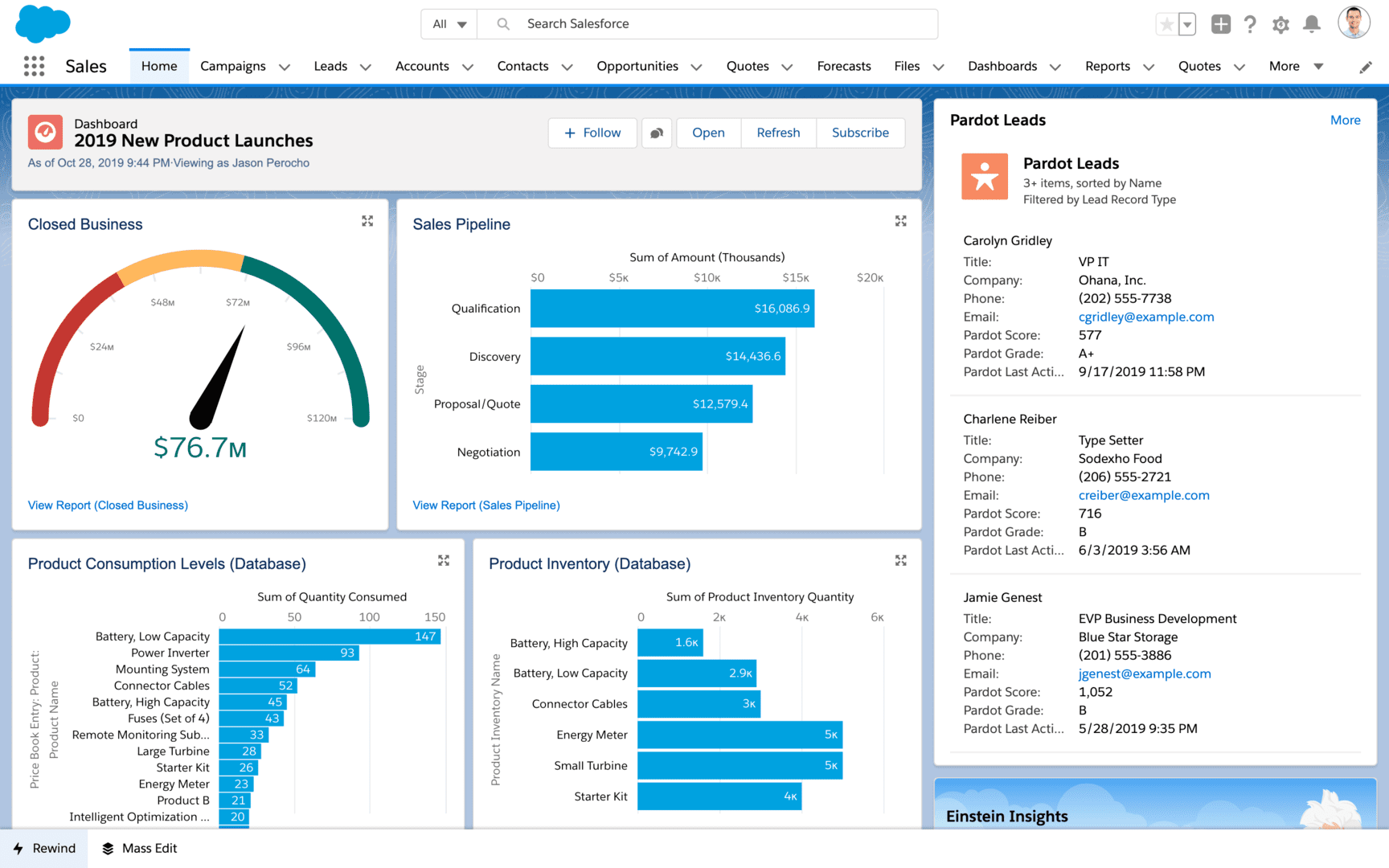
Salesforce is a cloud-based CRM software that provides a comprehensive suite of applications for sales, service, marketing, and more. It is known for its robust features, customization options, and integrations with third-party apps. Here are some key features:
- Contact Management: Store and manage customer information in one place.
- Sales Management: Track sales opportunities and manage the sales pipeline.
- Marketing Automation: Run targeted marketing campaigns and track their performance.
- Customer Service: Provide support and manage customer inquiries efficiently.
- Analytics: Gain insights into business performance with detailed reports and dashboards.
Pros And Cons
| Pros | Cons |
|---|---|
|
|

Credit: www.selecthub.com
Hubspot Crm
HubSpot CRM is a popular choice for businesses seeking a comprehensive B2B CRM software. It offers a range of tools to help manage customer relationships effectively. This CRM is known for its user-friendly interface and powerful features. Let’s delve into what makes HubSpot CRM stand out.
Overview
HubSpot CRM provides a robust platform for managing customer interactions. It offers tools for sales, marketing, and customer service. The CRM integrates with various apps, making it versatile and efficient. HubSpot CRM is suitable for businesses of all sizes, from small startups to large enterprises. The software is cloud-based, ensuring accessibility from anywhere.
Pros And Cons
| Pros | Cons |
|---|---|
|
|
Zoho Crm
Choosing the right CRM software can transform how businesses operate. Zoho CRM is a top choice for many B2B companies. It offers a range of features and an easy-to-use interface.
Overview
Zoho CRM is designed to help businesses manage customer relationships. It provides tools for sales, marketing, and customer support. The software is flexible and can be customized to suit different business needs. It integrates with many other applications to streamline workflows.
Pros And Cons
Let’s explore the pros and cons of using Zoho CRM.
Pros:
- Customizable dashboards.
- Strong automation capabilities.
- Affordable pricing plans.
- Excellent customer support.
- Integration with third-party apps.
Cons:
- Complex setup for new users.
- Limited mobile app features.
- Some advanced features are paid.
Microsoft Dynamics 365
Microsoft Dynamics 365 is a powerful B2B CRM software. It integrates various business applications. This helps in streamlining operations and boosting productivity. Many businesses trust it for its robust features and flexibility.
Overview
Microsoft Dynamics 365 combines CRM and ERP capabilities. It offers a unified platform for sales, marketing, finance, and operations. Users can customize the software to fit their specific needs. Additionally, it integrates seamlessly with other Microsoft products like Office 365 and Azure.
Some key features include:
- Customer Engagement
- Sales Automation
- Marketing Campaign Management
- Financial Management
- Supply Chain Management
Pros And Cons
| Pros | Cons |
|---|---|
| Highly customizable | Can be expensive for small businesses |
| Seamless integration with Microsoft products | Complex setup and configuration |
| Scalable for growing businesses | Requires proper training for optimal use |
| Comprehensive analytics and reporting | May require additional third-party integrations |
Overall, Microsoft Dynamics 365 is a versatile CRM solution. It caters to businesses of all sizes. Its comprehensive features make it a popular choice among enterprises.
Pipedrive
Pipedrive is a powerful B2B CRM tool designed to help sales teams. It simplifies the sales process and focuses on improving sales performance. With its user-friendly interface, Pipedrive enables teams to manage leads, track communications, and automate workflows efficiently.
Overview
Pipedrive offers a visual sales pipeline that makes tracking leads easy. Users can drag and drop deals across stages, making it intuitive. The CRM integrates with various tools, enhancing its functionality. Features like email integration, activity reminders, and reporting make it a comprehensive solution for sales teams.
Pros And Cons
| Pros | Cons |
|---|---|
|
|
Pipedrive’s strengths lie in its simplicity and ease of use. It is ideal for small and medium-sized businesses. Larger enterprises might find its advanced features limited. Overall, it is a robust CRM for improving sales processes.
Choosing The Right Crm
Choosing the right CRM for your business can be challenging. Many options exist, each with different features and pricing. To make the best choice, you need to focus on your business needs and budget. Below, we will discuss key factors to consider.
Assessing Your Business Needs
Start by evaluating your business processes. Identify areas that need improvement. Look at your sales, marketing, and customer service workflows. Determine what features are essential. For instance, do you need email automation or lead scoring? Understanding your needs helps narrow down options.
Consider the size of your team. Small teams might need simpler solutions. Large teams may require more complex systems. Think about the ease of use. A CRM should be easy for your team to learn. This ensures faster adoption and better results.
Budget Considerations
Your budget plays a crucial role. CRM software comes in various price ranges. Some offer basic features at low cost. Others provide advanced features at higher prices. Decide how much you are willing to spend. Remember to consider long-term costs. Subscription fees can add up over time.
Look for free trials or demos. These can help you test the software before committing. Check if the CRM offers scalability. Your business may grow. A scalable CRM can grow with you. This saves you from switching systems later.
Implementation Tips
Implementing B2B CRM software can be a complex process. Following the right steps can ensure a smooth transition. Here are some key tips to help with implementation.
Data Migration
Data migration is a critical step in CRM implementation. Start by cleaning your existing data. Remove duplicates and outdated information. This ensures accuracy. Next, map out your data fields. Align them with the new CRM system. This step prevents data loss. Use automated tools for data transfer. This saves time and reduces errors. Always back up your data before migration. This provides a safety net in case of issues.
User Training
User training is essential for successful CRM adoption. First, identify key users in your team. These users will lead the training sessions. Create a comprehensive training plan. Include step-by-step guides and tutorials. Use various training methods. Offer in-person sessions, webinars, and written manuals. Encourage hands-on practice. This helps users become comfortable with the new system. Provide ongoing support. Address any questions or issues promptly. This ensures users remain confident and engaged.
Credit: www.findmycrm.com
Future Trends In B2b Crm
The landscape of B2B CRM software is evolving. Businesses need to stay ahead. Understanding future trends is key. Here are some exciting trends shaping B2B CRM.
Ai And Automation
Artificial Intelligence (AI) is transforming CRM. AI helps analyze data quickly. It provides insights about customer behavior. Automation reduces manual tasks. It enhances productivity.
Here are some benefits of AI and Automation in B2B CRM:
- Predictive Analytics: AI predicts future customer trends.
- Chatbots: They handle customer queries efficiently.
- Lead Scoring: AI prioritizes the best leads.
- Automated Workflows: Automation streamlines processes.
AI and automation save time. They improve accuracy. They make CRM more efficient.
Personalization
Personalization is crucial for customer satisfaction. Personalized experiences build stronger relationships. Customers expect tailored interactions.
B2B CRM software uses data for personalization. Here’s how:
- Customized Email Campaigns: Targeted emails based on customer data.
- Personalized Dashboards: User-specific CRM interfaces.
- Behavioral Insights: Understanding customer preferences.
- Tailored Product Recommendations: Suggest products based on past behavior.
Personalization enhances customer engagement. It increases loyalty. It boosts sales.
Frequently Asked Questions
What Is B2b Crm Software?
B2B CRM software helps businesses manage relationships with other businesses. It streamlines sales, marketing, and customer service processes.
Why Is B2b Crm Important?
B2B CRM is crucial for managing customer relationships. It enhances communication, improves sales, and boosts customer retention.
Which Features Are Essential In B2b Crm?
Essential features include lead management, sales automation, analytics, and integration with other tools. Customization is also important.
How To Choose The Best B2b Crm?
Consider your business needs, budget, and scalability. Evaluate features, customer support, and user reviews.
Conclusion
Choosing the right B2B CRM software can boost your business growth. It helps manage customer relationships and streamline processes. Consider your needs and budget. Test different options before deciding. Remember, a good CRM system supports your team. It also improves customer satisfaction.
Stay ahead in the market with the best CRM for your business.
