So, what CRM software does Amazon use? Customer Relationship Management (CRM) software helps businesses keep track of customer interactions, sales, and support. Amazon, with millions of customers, needs a robust CRM solution to maintain their high service standards. Understanding the CRM software that Amazon uses can offer insights into how they handle customer data, streamline processes, and maintain customer satisfaction.
This blog post will explore the tools and strategies Amazon employs in their CRM system. Whether you’re curious about their choice or looking to implement similar solutions, this insight can guide your approach to customer relationship management.
Introduction To Amazon’s Crm
Amazon handles millions of customers. A good CRM helps manage this. Customer satisfaction is key. CRM systems help track customer interactions. They provide valuable insights. These insights improve services. Efficiency is another benefit. CRM tools save time. They reduce errors. This means better service for customers. A good CRM also helps with marketing. It targets the right audience. This increases sales. Data security is crucial. CRM tools keep data safe. This builds trust with customers.
CRM has many functions. It stores customer data. This includes names and purchase history. It also tracks interactions. Phone calls and emails are logged. CRM helps with customer support. It provides quick access to information. This speeds up responses. CRM assists in marketing campaigns. It segments customers. This means targeted marketing. CRM tools also help in sales. They track leads. This improves conversion rates. Reports are another feature. They show performance metrics. This helps in making decisions.
Credit: www.channelreply.com
Amazon’s Choice Of Crm Software
Amazon picks CRM tools that can scale. They need it to handle large data. The software must be user-friendly. Employees should use it without much training. Security is a big factor too. It must protect customer data. Customization options are important. Different teams have different needs. The CRM should fit all.
The CRM must track customer interactions. It should offer reports and analytics. This helps in making decisions. Automation is a key feature. It saves time on repetitive tasks. Integration with other tools is crucial. It should work well with Amazon’s existing systems. Mobile access is a plus. Employees can use it on the go.
Integration With Amazon’s Ecosystem
Amazon’s CRM software works well with its other systems. The software fits perfectly with sales and customer service tools. This smooth integration ensures efficient workflow.
Team members can easily access customer data. This makes customer service quick. This seamless integration helps in quick response and better service.
Data synchronization is crucial for Amazon. Customer data is updated in real-time. This means information is always current. This helps in making quick decisions.
Amazon’s CRM software keeps all data in sync. This avoids errors. It ensures that all departments work with the same data. This synchronization helps in better coordination.
Enhanced Customer Experience
Amazon uses CRM software to improve the customer experience. This software helps them understand customer needs. It collects data on customer behavior. With this data, Amazon can offer personalized interactions.
Amazon knows what each customer likes. They use this to suggest products. This makes shopping easier for the customer. It also makes them feel special. Amazon’s CRM software tracks past purchases. It also notes browsing history. This helps in creating personalized recommendations. Customers feel like Amazon understands them.
Amazon works hard to keep customers happy. They use their CRM software to plan customer retention strategies. This software helps in sending special offers. It also helps in managing loyalty programs. Happy customers come back to shop more. They trust Amazon more each time. This builds a strong relationship between Amazon and its customers.
Sales And Marketing Automation
Amazon uses CRM software to make sales easier. This software helps track customer interactions. It stores important data. Sales teams can see past purchases and preferences. This helps them personalize offers. It also speeds up the sales process. Teams can focus on more leads. They can close deals faster. Efficient and effective.
The CRM software helps manage marketing campaigns. It tracks campaign performance. It shows which campaigns work best. Marketing teams can analyze data easily. They can adjust strategies quickly. They can target the right audience. This saves time and money. More success in marketing efforts. Better results for the company.
Data Analytics And Reporting
Amazon uses CRM software with real-time analytics. This helps them see data as it happens. Changes are tracked instantly. This means decisions can be quick and based on the latest data. It helps them stay ahead in the market.
Performance metrics are key for Amazon. They track sales, customer service, and more. CRM software provides these metrics in detail. This helps Amazon improve and grow. They can see what works best and what needs change.
Security And Compliance
Amazon uses strong data protection measures to keep information safe. The company encrypts data. This prevents unauthorized access. Amazon also uses firewalls to block threats. Regular audits are done to ensure security. Employees are trained on security practices. All these steps help protect customer data.
Amazon must follow strict regulations to operate legally. These rules vary by country. Amazon ensures compliance with GDPR in Europe. In the US, it follows CCPA. Regular checks are done to meet these standards. This ensures Amazon stays compliant. Customer trust is a top priority.

Credit: www.youtube.com
Future Of Crm At Amazon
Amazon plans to integrate AI in its CRM. This will help to predict customer needs better. AI will also assist in providing personalized experiences. CRM will become even more efficient and fast.
Amazon aims to build deeper customer connections. They want to make every interaction valuable. They will focus on customer feedback. This will guide their future CRM strategies. Continuous improvement is key for Amazon.
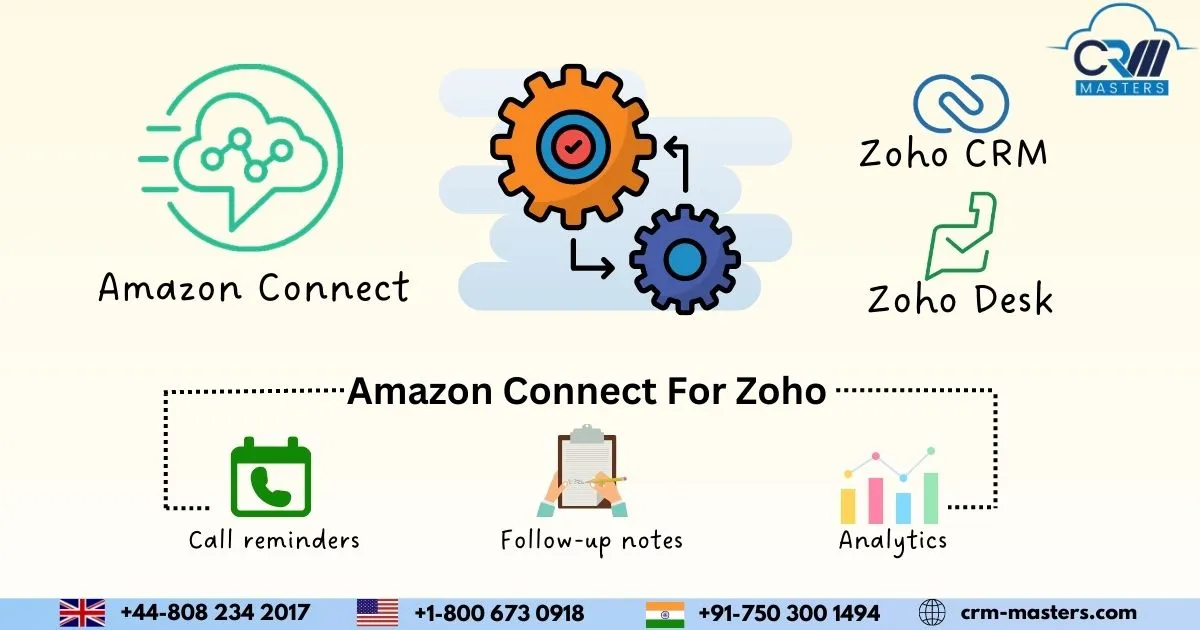
Credit: crm-masters.com
Frequently Asked Questions
What Crm Does Amazon Use?
Amazon uses a custom-built CRM software tailored to its specific business needs.
Is Amazon’s Crm Software Available For Public Use?
No, Amazon’s CRM software is not available for public use. It is developed in-house.
Why Does Amazon Use Custom Crm Software?
Amazon uses custom CRM software to meet its unique business requirements and customer management strategies.
How Does Amazon’s Crm Software Benefit The Company?
Amazon’s CRM software enhances efficiency, improves customer service, and provides valuable insights for better decision-making.
Conclusion
Amazon uses Salesforce CRM software to manage its customer relationships. This choice helps Amazon streamline operations and improve customer service. Salesforce offers robust features that cater to Amazon’s vast needs. It enhances efficiency and provides valuable insights. Understanding this, you can see why Amazon trusts Salesforce.
It’s a powerful tool for any business aiming for growth. Consider exploring Salesforce for your own business needs. The right CRM can make a significant difference. Invest wisely and watch your business thrive.
Náš redakční tým pravidelně každý měsíc testuje několik desítek herních platforem dostupných pro české hráče, a mezi ty vůbec nejlépe hodnocené v poslední době patří nové české online casino, které získává vysoké známky za férové bonusy, rychlé ověření hráčského účtu a zákaznickou podporu dostupnou každý den v týdnu.
]]>Finding the best CRM and email marketing software is crucial. It helps streamline your business and improve customer interaction. A good CRM system keeps track of customer data, while email marketing software helps you reach your audience effectively. Combining these tools can boost your marketing efforts, making them more efficient and productive.
Whether you’re a small business or a large corporation, having the right tools is essential. Let’s explore the best options available to help you make an informed choice.
Introduction To Crm And Email Marketing
Welcome to the world of CRM and email marketing! These tools help businesses manage customer relationships and send targeted emails. They can improve customer service and boost sales. Let’s explore what CRM and email marketing are, and why they are important.
What Is Crm?
CRM stands for Customer Relationship Management. It is a system that helps businesses manage interactions with customers and prospects. CRM software stores customer information, tracks interactions, and automates sales processes. This tool can improve customer service and sales efficiency.
Businesses use CRM to understand customer needs and preferences. This helps in providing better service and building strong relationships. CRM systems can also provide valuable insights and analytics. These insights help in making informed business decisions.
Importance Of Email Marketing
Email marketing is a powerful tool for reaching customers. It involves sending emails to customers and prospects. These emails can include promotions, newsletters, and updates. Email marketing helps businesses stay connected with their audience.
Targeted email campaigns can increase customer engagement. They can also drive sales and build brand loyalty. Email marketing is cost-effective and has a high return on investment (ROI). With the right strategy, businesses can achieve significant results.
Combining CRM and email marketing can enhance customer communication. It can also streamline marketing efforts. Together, they can provide a comprehensive approach to customer management and engagement.
Key Features To Look For
Choosing the best CRM and email marketing software can transform your business. The right software simplifies tasks, boosts efficiency, and enhances customer relationships. But what features should you prioritize? Let’s explore the key features to look for in CRM and email marketing software.
User-friendly Interface
A user-friendly interface is crucial. It ensures ease of use for all team members. Intuitive navigation helps users quickly find what they need. A clean layout reduces the learning curve. This leads to faster adoption and better productivity.
Automation Capabilities
Automation capabilities save time and reduce manual work. Look for software that automates repetitive tasks. This includes email campaigns, follow-ups, and data entry. Automation helps maintain consistent communication with customers. It also frees up time for more strategic activities.
Integration Options
Integration options expand the software’s functionality. Ensure the software integrates with other tools you use. This includes social media platforms, e-commerce systems, and analytics tools. Seamless integration streamlines workflows and improves data accuracy. It also provides a comprehensive view of your customer interactions.
Top Crm Software For 2025
The year 2025 will bring exciting advancements in CRM software. Businesses need efficient tools to manage customer relationships. Here, we explore the top CRM software for 2025. These tools promise to enhance productivity and customer engagement.
Salesforce
Salesforce leads the CRM market with its robust features. It offers customization to fit various business needs. Users can track customer interactions and sales processes easily. The platform integrates with many other business applications. Salesforce also provides analytics to help make informed decisions. Its user-friendly interface makes it accessible to all team members.
Hubspot Crm
HubSpot CRM is a popular choice for small to medium businesses. It’s free to start, which is great for new ventures. The software provides tools for email marketing, sales, and customer service. HubSpot CRM integrates well with other HubSpot products. The interface is intuitive, making it easy to learn and use. Automation features save time on repetitive tasks.
Zoho Crm
Zoho CRM offers a comprehensive suite of tools for businesses. It supports multichannel communication including email, social media, and live chat. Users can automate workflows to improve efficiency. Zoho CRM also features advanced analytics and reporting. It’s scalable, making it suitable for businesses of all sizes. The platform is known for its affordability and flexibility.
Best Email Marketing Tools
Choosing the best email marketing tools can significantly enhance your marketing efforts. These tools help you create, send, and track emails easily. They offer features like templates, automation, and analytics. Let’s dive into some of the top email marketing tools available.
Mailchimp
Mailchimp is one of the most popular email marketing tools. It offers a user-friendly interface and a variety of features.
- Drag-and-drop email builder
- Automated email campaigns
- Advanced analytics
- Wide range of integrations
Mailchimp is suitable for small to medium businesses. Its free plan includes basic features, making it a good start for beginners.
Constant Contact
Constant Contact is known for its excellent customer support and ease of use. It provides a range of features to enhance your email marketing efforts.
- Email templates
- Contact management
- Social media integration
- Event management
Constant Contact is ideal for businesses that need additional support. Its extensive resources help users get the most out of their email campaigns.
Sendinblue
Sendinblue offers comprehensive email marketing solutions. It focuses on automation and segmentation.
- Email automation
- Transactional emails
- Contact segmentation
- SMS marketing
Sendinblue is perfect for businesses looking for advanced automation. Its features help streamline email marketing processes and improve engagement.
All-in-one Solutions
All-in-one solutions can transform your CRM and email marketing tasks. They combine powerful features into a single platform. This saves time and improves efficiency.
Activecampaign
ActiveCampaign offers a blend of CRM and email marketing tools. You can manage contacts and automate emails. It has a user-friendly interface. You can easily track customer interactions. The built-in automation features are robust. They help streamline your marketing efforts.
Getresponse
GetResponse provides a range of tools for CRM and email marketing. It includes email templates and automation workflows. The platform also supports webinar hosting. This makes it unique. You can nurture leads and engage customers effectively. The analytics tools offer insights to improve your campaigns.
Keap
Keap is known for its simplicity and powerful features. It combines CRM, email marketing, and sales automation. You can set up custom workflows. This helps automate repetitive tasks. The platform also integrates with many other tools. This makes it versatile and adaptable. You can manage your business processes in one place.
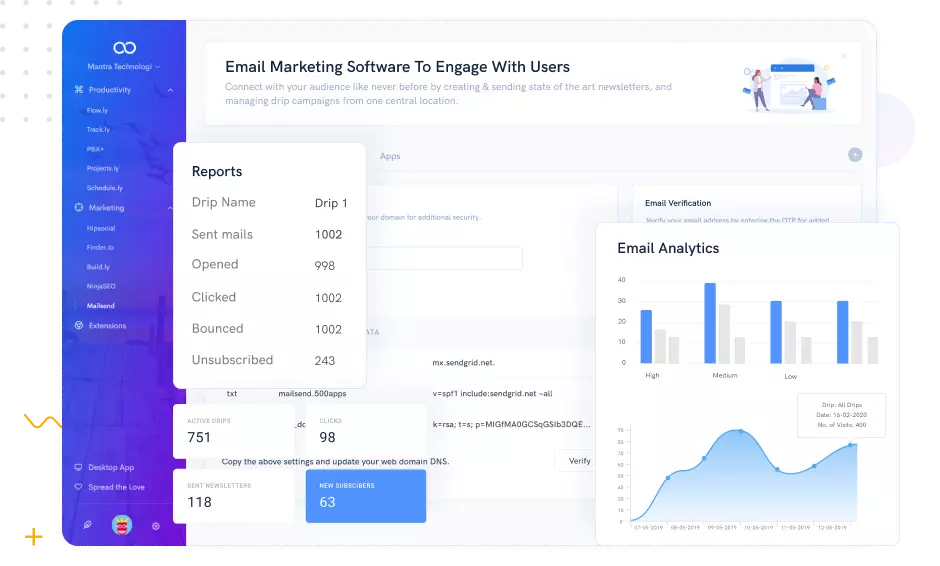
Credit: www.agilecrm.com
Comparing Pricing Plans
Choosing the right CRM and email marketing software can be challenging. Pricing is a key factor in your decision. Understanding the different pricing plans helps you make an informed choice. Here’s a breakdown of free vs paid plans and enterprise solutions.
Free Vs Paid Plans
Many CRM and email marketing software providers offer free plans. These are great for small businesses or startups. Free plans usually come with limited features. Basic functionalities such as contact management and email templates are often included.
Paid plans offer more advanced features. These can include automation, detailed analytics, and customer support. The cost varies by provider. Typically, plans are billed monthly or annually. Below is a comparison table of free vs paid plans:
| Plan Type | Features | Cost |
|---|---|---|
| Free Plan |
|
Free |
| Paid Plan |
|
Varies by provider (typically $10-$50/month) |
Enterprise Solutions
Enterprise solutions are designed for large businesses. These plans offer comprehensive features and support. They include advanced automation, multi-channel marketing, and personalized customer interactions. Enterprise plans often come with dedicated account managers and priority support.
Pricing for enterprise solutions can be complex. Costs are usually customized based on the business needs. Here are some common features of enterprise plans:
- Custom integrations
- Advanced security measures
- Scalable solutions for large teams
- Extensive customization options
Enterprise plans ensure that large businesses have the tools they need. They offer robust solutions for managing large customer bases effectively.
Customer Support And Resources
Choosing the best CRM and email marketing software involves evaluating customer support and resources. Quality support ensures smooth operations and quick problem resolution. Here’s a closer look at the support options provided.
Help Centers
Help centers are vital for immediate answers. They offer comprehensive articles, tutorials, and FAQs. Most top software companies maintain detailed help centers. These resources guide users through common issues and features. Users can find step-by-step instructions and troubleshoot problems independently.
Community Forums
Community forums provide a platform for users to share experiences. They allow users to ask questions and get answers from peers. Many users find solutions through these discussions. Forums also help in learning new tips and tricks. Engaging with a community can enhance the user experience.
Customer Service
Direct customer service is crucial for complex issues. Quality CRM and email marketing software offer responsive customer support. This includes phone, email, and live chat options. Timely assistance from the support team can solve technical problems. Good customer service builds trust and ensures user satisfaction.
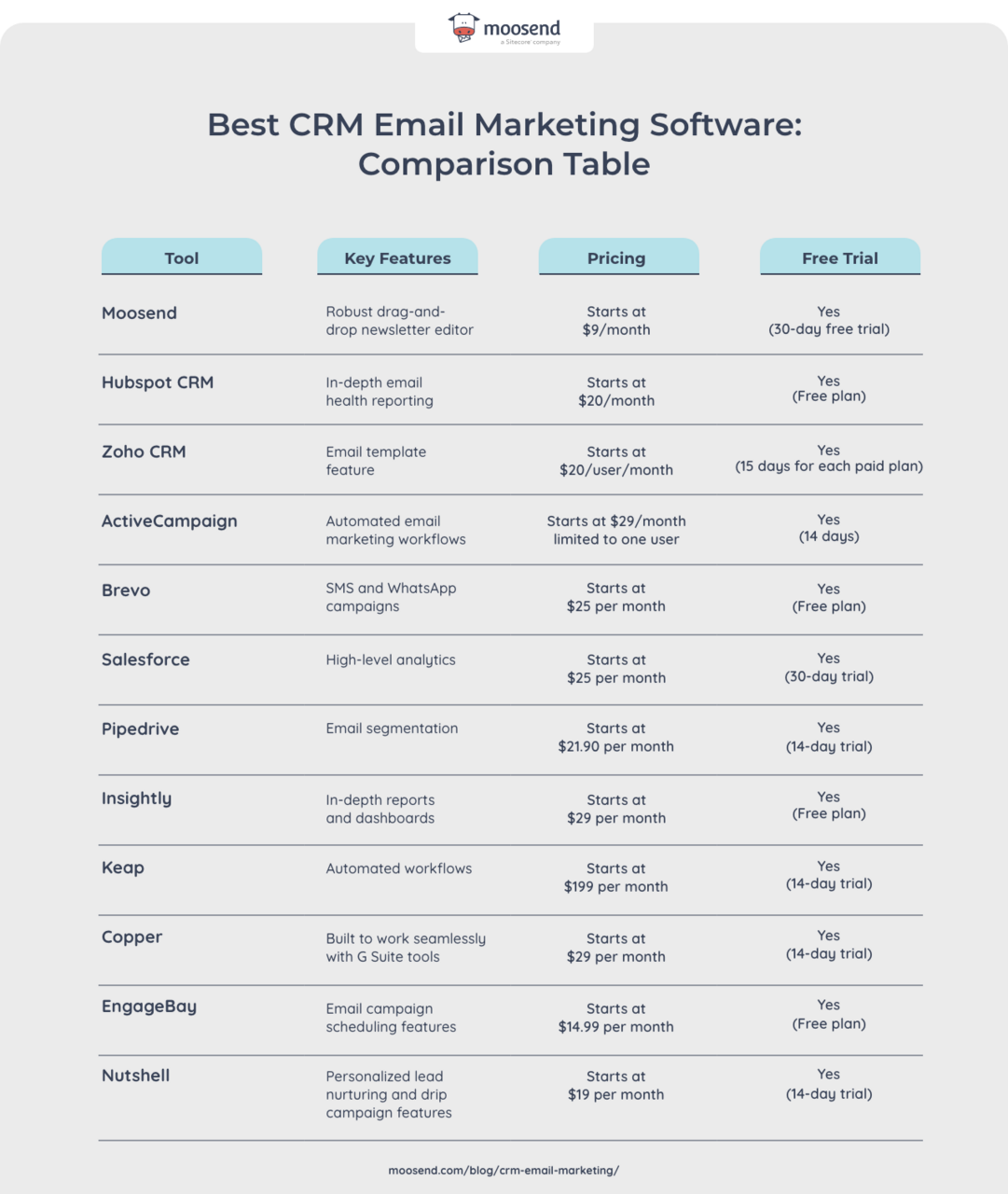
Credit: moosend.com
Future Trends In Crm And Email Marketing
The future of CRM and email marketing is evolving rapidly. New technologies are changing how businesses interact with customers. These advancements promise better efficiency and personalized experiences. Let’s explore the key trends shaping the future of CRM and email marketing.
Ai And Machine Learning
AI and Machine Learning are transforming CRM and email marketing. These technologies analyze vast amounts of data quickly. This helps businesses understand customer behavior better. AI can predict customer needs and suggest the best actions to take. It can also automate tasks, saving time for marketing teams.
For example, AI can segment email lists more accurately. This ensures that customers receive relevant content. Machine learning algorithms can also improve over time. They learn from each interaction to provide better recommendations. This leads to more effective marketing campaigns.
| AI Benefits | Impact |
|---|---|
| Data Analysis | Understand customer behavior |
| Task Automation | Save time for marketing teams |
| Accurate Segmentation | More relevant content for customers |
| Improved Recommendations | More effective campaigns |
Personalization
Personalization is becoming more important in CRM and email marketing. Customers expect content that is tailored to their needs. Generic messages are less effective. Personalized emails have higher open rates and engagement. Businesses must use customer data to create personalized experiences.
Here are some ways to achieve personalization:
- Use customer names in emails
- Send content based on past purchases
- Recommend products based on browsing history
- Tailor offers to customer preferences
Personalization can also extend to CRM systems. Sales teams can have a complete view of each customer. This helps in providing better service and closing deals faster. Personalized interactions build stronger customer relationships. They make customers feel valued and understood.
In conclusion, AI, machine learning, and personalization are the future of CRM and email marketing. These trends will help businesses provide better customer experiences. They will also drive growth and success in the competitive market.

Credit: www.pipedrive.com
Frequently Asked Questions
What Is The Best Crm Software For Small Businesses?
The best CRM software for small businesses includes HubSpot, Zoho CRM, and Salesforce. They offer user-friendly interfaces and essential features. These tools help manage customer relationships efficiently and support business growth.
How Does Email Marketing Software Work?
Email marketing software automates sending emails to targeted audiences. It helps create, schedule, and track email campaigns. This software improves engagement and conversions by delivering personalized content.
What Features Should A Good Crm Have?
A good CRM should have contact management, sales automation, and reporting features. It should also integrate with other tools and provide analytics. These features ensure better customer relationship management.
Can Crm Software Integrate With Email Marketing Tools?
Yes, many CRM software integrate with email marketing tools. Integrations enable seamless data sharing and improve campaign effectiveness. They help manage customer interactions and track engagement better.
Conclusion
Choosing the right CRM and email marketing software is vital. It enhances customer relationships. It boosts your marketing efforts. The best tools simplify your work. They save you time and resources. Consider your business needs. Compare features and pricing. Test a few options.
The right choice can make a big difference. Happy selecting!
]]>In today’s fast-paced business world, efficiency is key. A good CRM (Customer Relationship Management) and invoicing software can save time and reduce errors. Whether you’re a small business owner or a freelancer, finding the right tools is crucial. The right software helps you manage customer interactions, track sales, and handle billing seamlessly.
This blog post will guide you through the best CRM and invoicing software options available. You’ll learn how these tools can improve your business operations and boost productivity. Let’s dive in and find the perfect software for your needs.
Introduction To Crm And Invoicing Software
In today’s fast-paced business world, managing customer relationships and invoicing efficiently is crucial. CRM and invoicing software help businesses streamline these tasks. This software ensures better customer service and timely payments.
Importance For Businesses
Using CRM and invoicing software offers many benefits. It improves customer management and streamlines billing processes. This leads to higher customer satisfaction and better cash flow.
- Maintains organized customer data
- Automates invoicing processes
- Reduces human error
- Saves time and resources
Key Features To Look For
Choosing the right CRM and invoicing software is important. Look for these key features to ensure you get the best solution:
| Feature | Description |
|---|---|
| User-friendly Interface | Easy to navigate and use. |
| Integration Capabilities | Seamlessly integrates with other tools. |
| Automation | Automates tasks like invoicing and follow-ups. |
| Reporting | Generates detailed reports and analytics. |
| Customization | Tailors features to business needs. |
By focusing on these key features, businesses can improve their efficiency and customer satisfaction.
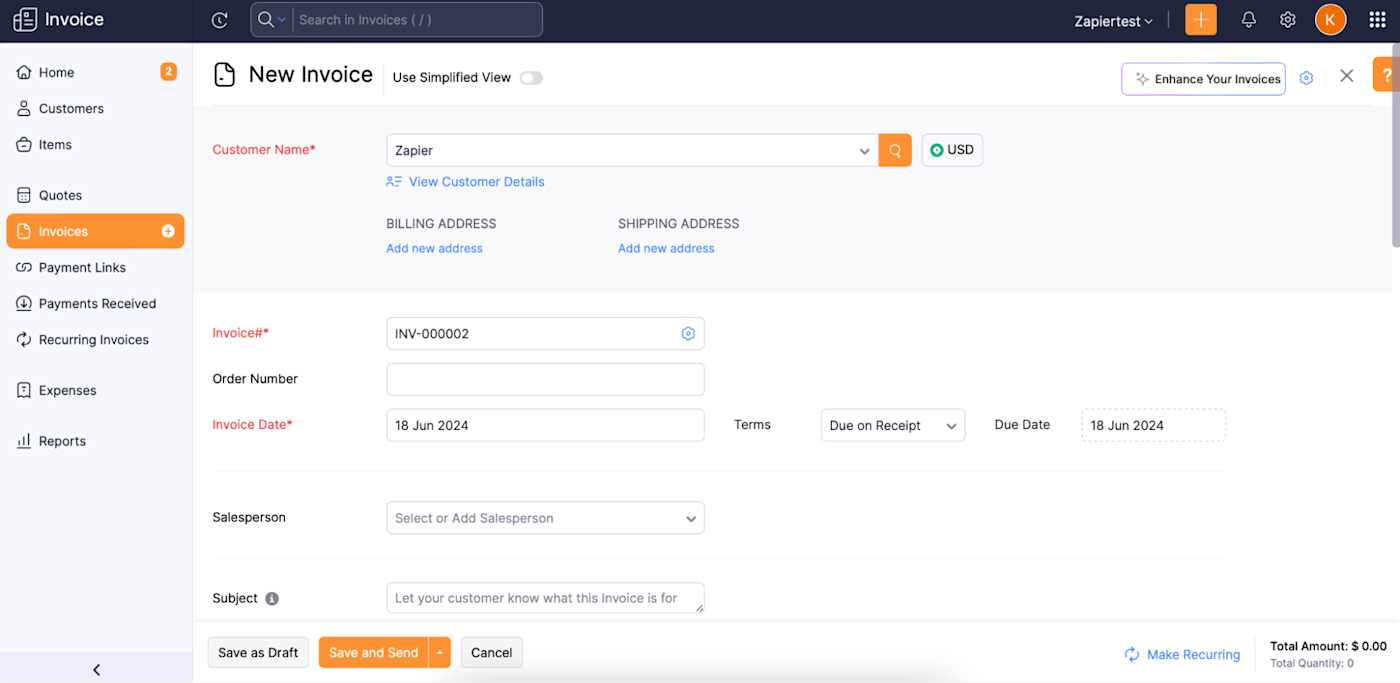
Credit: zapier.com
Top Crm Software Solutions
Choosing the right CRM software can transform your business operations. CRMs help you manage customer relationships, track sales, and improve team collaboration. Let’s explore some top CRM software solutions that can elevate your business efficiency.
Salesforce
Salesforce is a popular CRM software known for its robust features. It offers comprehensive tools for sales, marketing, and customer service. The platform is highly customizable, fitting any business size. Salesforce’s automation capabilities save you time and reduce manual tasks.
The software integrates well with many third-party applications. This ensures seamless workflow across different tools. With Salesforce, you gain valuable insights through its powerful analytics.
Hubspot Crm
HubSpot CRM is a user-friendly option with a free version available. It provides essential tools for managing contacts, tracking deals, and monitoring performance. HubSpot’s interface is intuitive, making it easy to use for beginners.
The CRM integrates with HubSpot’s marketing, sales, and service hubs. This creates a unified platform for all your business needs. HubSpot CRM also offers real-time updates, ensuring you stay informed about your sales pipeline.
Zoho Crm
Zoho CRM is a versatile solution ideal for small to medium-sized businesses. It offers features like lead management, workflow automation, and reporting. Zoho CRM’s customization options allow you to tailor the software to your specific needs.
The platform supports integration with various other Zoho apps and third-party tools. Zoho CRM also includes AI-driven insights, helping you make data-informed decisions. Its mobile app ensures you can manage your CRM on the go.
Leading Invoicing Software Options
Choosing the right invoicing software can streamline your business operations. It helps you manage finances efficiently. Below are some of the leading invoicing software options that can cater to your business needs.
Freshbooks
FreshBooks is a user-friendly invoicing software perfect for small businesses. It offers a range of features to simplify your billing process.
- Easy-to-use interface
- Automated invoicing and reminders
- Time tracking and expense management
FreshBooks also integrates with various payment gateways. This ensures that you get paid faster. The software also provides detailed reports for better financial insights.
Quickbooks
QuickBooks is a popular choice for many businesses. It offers robust invoicing and accounting features.
- Customizable invoices
- Automated sales tax calculations
- Integration with bank accounts
QuickBooks also supports multiple currencies. This makes it ideal for businesses operating globally. The software also helps in tracking income and expenses, giving you a clear picture of your financial health.
Xero
Xero is a cloud-based invoicing software known for its simplicity and efficiency. It offers several features to help you manage your invoicing needs.
- Real-time tracking of invoices
- Easy-to-create professional invoices
- Inventory management
Xero also integrates with numerous third-party apps. This enhances its functionality. The software provides comprehensive financial reports, making it easier to understand your business performance.
Choosing the right invoicing software depends on your specific needs. These options offer a range of features that can help streamline your invoicing process.
Crm Features That Enhance Productivity
CRM software can significantly boost your business productivity. Efficient tools and features streamline your workflow. These features help manage customer interactions, track sales, and automate tasks.
Customer Data Management
Organizing customer data is crucial for any business. A good CRM system stores all customer information in one place. This includes contact details, interaction history, and preferences. Easy access to this data ensures better customer service. It allows your team to respond quickly and accurately.
Sales Pipeline Tracking
Tracking your sales pipeline helps you understand your sales process. A CRM system can show you where each lead is in the sales funnel. This visibility helps prioritize leads and identify bottlenecks. You can focus on the most promising opportunities. It also helps in forecasting future sales.
Automation And Workflows
Automation saves time on repetitive tasks. A CRM can automate emails, follow-ups, and data entry. It ensures consistency and reduces the risk of human error. Workflows streamline processes by setting up predefined actions. For example, sending a welcome email to new customers. This keeps your team focused on high-value tasks.
Invoicing Tools That Simplify Billing
Managing invoices can be a daunting task for many businesses. The right tools can simplify this process. Streamlined invoicing software saves time and reduces errors. It ensures timely payments and maintains cash flow. Let’s explore some key features of invoicing software.
Customizable Templates
Customizable templates make invoicing easy. They allow you to tailor invoices to your brand. You can add your logo, choose fonts, and set colors. This creates a professional look. It also helps in maintaining consistency. Clients will recognize and trust your invoices. This feature is a must-have for any business.
Automated Reminders
Late payments can disrupt your business. Automated reminders help prevent this issue. These reminders notify clients about due payments. They can be set for specific dates. This ensures clients do not forget to pay on time. Automated reminders save you from manual follow-ups. They help maintain a steady cash flow.
Online Payment Integration
Online payment integration simplifies the payment process. Clients can pay directly through the invoice. This feature accepts various payment methods. It offers credit cards, bank transfers, and e-wallets. It ensures a smooth transaction experience. Quick payments mean better cash flow for your business.
Integration Capabilities
Choosing the best CRM and invoicing software requires understanding its integration capabilities. Seamless integration can save time and reduce errors. This section will explore how CRM and invoicing software can integrate with each other and with third-party apps. The right integration can streamline your workflow and improve efficiency.
Crm And Invoicing Integration
Many CRM systems offer direct integration with invoicing software. This integration allows you to manage customer relationships and financial transactions in one place. The benefits include:
- Automatic invoice generation from CRM data
- Real-time syncing of customer information
- Improved accuracy and reduced data entry
For example, Zoho CRM integrates with Zoho Invoice. This integration ensures that customer data is up-to-date across both platforms. You can create invoices directly from the CRM, saving time and reducing errors.
Third-party Apps Compatibility
Beyond direct integrations, many CRM and invoicing software support third-party apps. This compatibility allows you to extend the functionality of your software. Popular third-party integrations include:
- Zapier for automating workflows
- QuickBooks for accounting
- Slack for team communication
These integrations make it easy to connect your CRM and invoicing software with other tools you use daily. For instance, integrating with QuickBooks enables you to sync financial data effortlessly. This integration ensures your accounting records are always accurate and up-to-date.
In summary, the best CRM and invoicing software should offer robust integration capabilities. Whether through direct integration or compatibility with third-party apps, these features can enhance your business operations.
Choosing The Right Software For Your Business
Finding the best CRM and invoicing software for your business is essential. The right software can streamline operations and improve efficiency. It’s important to evaluate your business needs, budget, and future growth potential.
Assessing Business Needs
Start by analyzing your business requirements. Identify the key features you need:
- Customer Management
- Sales Tracking
- Invoice Generation
- Payment Processing
Consider the size of your team and their roles. A small business may need basic features. Larger businesses might require advanced tools and integrations. Customization options can also be important for unique business processes.
Budget Considerations
Determine your budget for CRM and invoicing software. Compare different pricing plans. Look for software that offers value for money.
| Software | Basic Plan | Premium Plan |
|---|---|---|
| Software A | $20/month | $50/month |
| Software B | $30/month | $70/month |
Free trials can help you test the software before committing. Make sure to factor in any hidden costs. Maintenance, support, and training can add to the overall expense.
Scalability And Future Growth
Consider your business growth plans. Choose software that can grow with your business. Scalability is key to avoid outgrowing your software. Look for features that support expansion:
- Advanced Reporting
- Multiple User Support
- Third-Party Integrations
Ensure the software can handle increased data and users. Investing in scalable software saves money long term. It also prevents the hassle of switching platforms later.
Credit: www.refrens.com
User Experience And Support
User Experience and Support are critical factors to consider when choosing the best CRM and invoicing software. An intuitive interface and responsive support can make a significant difference in your overall satisfaction with the software.
Ease Of Use
The best CRM and invoicing software should offer a user-friendly interface. This means that you can easily navigate the dashboard and access the features you need. Look for software that has a clean layout and straightforward menus.
Many top CRM and invoicing tools provide drag-and-drop functionality. This makes it simple to create invoices and manage customer data. Additionally, the software should offer customizable templates to suit your specific needs.
| Feature | Benefit |
|---|---|
| Intuitive Dashboard | Quick access to key features |
| Drag-and-Drop | Easy to create and manage invoices |
| Customizable Templates | Personalize your invoices and forms |
Customer Support
Good customer support is essential for any software. Look for CRM and invoicing software that offers 24/7 support. This ensures you can get help whenever you need it.
The best software providers offer multiple support channels. These can include live chat, email, and phone support. Check if the provider has a dedicated support team to handle your queries efficiently.
- 24/7 Support
- Live Chat
- Email Support
- Phone Support
Training And Resources
Access to training and resources can help you get the most out of your CRM and invoicing software. Look for providers that offer comprehensive tutorials and documentation.
Many top software providers offer webinars and video tutorials. These can help you understand the features and functionalities better. Additionally, check if they have an online community or forum. This allows you to connect with other users and share tips and tricks.
- Comprehensive Tutorials
- Webinars
- Video Tutorials
- Online Community
Real-world Case Studies
In today’s competitive business landscape, the right CRM and invoicing software can make all the difference. To understand their impact, let’s explore some real-world case studies. These examples will show how different businesses have benefited from these tools.
Small Business Success Stories
Small businesses often face challenges in managing customer relationships and invoicing. A local bakery, for instance, implemented a popular CRM software. This helped them track customer preferences and follow up on orders. The result? A 30% increase in repeat customers.
Another example is a small digital marketing agency. They struggled with manual invoicing, which took up valuable time. After adopting an invoicing software, their billing process became automated. This led to faster payments and improved cash flow.
Enterprise Level Implementations
Large enterprises also see significant benefits from CRM and invoicing software. A global manufacturing company needed a solution to manage their vast customer base. By integrating a robust CRM system, they streamlined their sales processes. This resulted in a 20% boost in sales efficiency.
Similarly, a multinational IT firm faced issues with invoicing. They adopted an advanced invoicing software to handle their complex billing needs. This not only reduced errors but also enhanced client satisfaction. Their finance team reported a 25% reduction in time spent on invoicing tasks.

Credit: www.pipedrive.com
Frequently Asked Questions
What Is The Best Crm And Invoicing Software?
The best CRM and invoicing software depends on your business needs. Popular options include Zoho CRM, FreshBooks, and QuickBooks. Evaluate features and pricing.
Can Crm Software Handle Invoicing?
Yes, many CRM software options handle invoicing. They streamline billing, manage client data, and automate follow-ups. Examples include Zoho CRM and Salesforce.
Is Invoicing Software Necessary For Small Businesses?
Yes, invoicing software is essential for small businesses. It simplifies billing, tracks payments, and improves cash flow management. It saves time and reduces errors.
How Does Crm Software Benefit Businesses?
CRM software benefits businesses by centralizing customer data, improving communication, and automating sales processes. It enhances customer relationships and increases efficiency.
Conclusion
Choosing the right CRM and invoicing software is crucial. It helps manage your business efficiently. The right tools save time and reduce errors. They improve customer relationships and streamline billing. Carefully consider your business needs. Many options are available. Select the software that best fits your goals.
Investing in the right tools leads to success. Make an informed decision for the best results. Your business deserves the best support.
]]>Finding the best CRM software can be challenging, as it needs to meet specific industry requirements. Manufacturing companies face unique challenges. They must manage complex supply chains, large inventories, and detailed customer needs. The right CRM software can simplify these tasks.
It can enhance efficiency, improve communication, and boost overall productivity. By integrating CRM into your operations, you can gain insights, forecast demand, and build stronger customer relationships. This blog will explore the top CRM software options for manufacturing. We’ll guide you through their features, benefits, and help you choose the best one for your business. Stay tuned to discover the perfect CRM tool for your manufacturing needs.
Introduction To Crm Software In Manufacturing
In the manufacturing industry, managing customer relationships is crucial. CRM software provides tools to streamline operations, enhance customer interactions, and boost sales. This software helps manufacturing companies stay competitive and meet customer needs efficiently. Understanding its importance and current trends can help you choose the best CRM software for your business.
Importance Of Crm In Manufacturing
CRM software improves communication with customers. It stores customer data in one place, making it easy to access. This leads to better customer service and faster problem resolution.
CRM systems help track sales and manage leads. They provide insights into customer behavior, helping you tailor your marketing strategies. This can increase sales and customer loyalty.
Inventory management becomes easier with CRM. The software tracks stock levels and forecasts demand. This helps avoid overstocking or running out of products.
Collaboration between departments improves. CRM systems ensure everyone has the same information. This leads to better coordination and more efficient operations.
Trends Driving Crm Adoption
Cloud-based CRM solutions are becoming popular. They offer flexibility and can be accessed from anywhere. This is ideal for remote teams and global operations.
Automation is a key trend. CRM software automates routine tasks, saving time and reducing errors. This allows employees to focus on more strategic activities.
Integration with other systems is important. Modern CRM solutions can integrate with ERP, marketing tools, and more. This provides a comprehensive view of business operations.
AI and machine learning are enhancing CRM capabilities. These technologies provide advanced analytics and predictive insights. They help in understanding customer needs and improving decision-making.
Mobile CRM is on the rise. It allows sales teams to access customer data on the go. This leads to better sales performance and customer engagement.

Credit: www.youtube.com
Key Features To Look For In Crm Software
Choosing the best CRM software for manufacturing can be challenging. There are many options available, each with different features. It is important to know what to look for in a CRM to ensure it meets your needs. Below are some key features to consider when selecting a CRM software for manufacturing.
Customization Options
Every manufacturing business is unique. Your CRM should offer customization options to fit your specific processes. This includes custom fields, workflows, and dashboards. Custom fields allow you to track data unique to your business. Workflows can automate repetitive tasks, saving time. Dashboards provide a quick overview of key metrics.
| Feature | Benefit |
|---|---|
| Custom Fields | Track unique data |
| Workflows | Automate tasks |
| Dashboards | Monitor key metrics |
Integration Capabilities
Seamless integration with other tools is crucial for a manufacturing CRM. Look for software that integrates with your existing systems. This includes ERP, accounting software, and inventory management tools. Integration capabilities ensure data flows smoothly across systems. This reduces errors and improves efficiency.
- ERP Integration: Sync production data
- Accounting Software: Align financial records
- Inventory Management: Track stock levels
Good integration capabilities streamline operations. They also provide a unified view of your business processes. This helps in making informed decisions.
Top Crm Software For Manufacturing In 2025
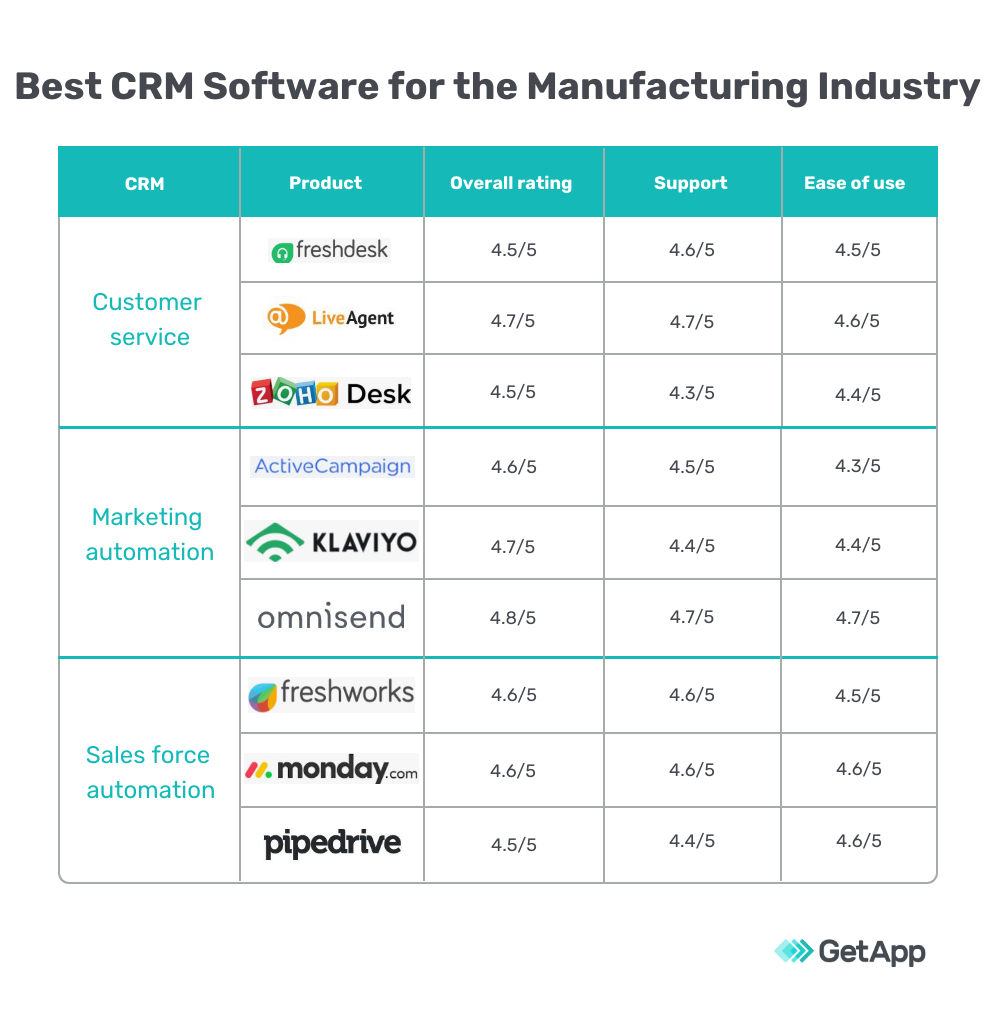
Manufacturing industries face unique challenges. Managing customer relationships efficiently is key. In 2025, choosing the right CRM software can boost productivity and customer satisfaction. Here’s a guide to help you select the best CRM software for manufacturing.
Criteria For Selection
Selecting CRM software involves several factors. The software should be easy to use. It should integrate with existing systems. It must offer customization options. Look for features that support sales, marketing, and customer service. Data security is also crucial. Lastly, consider customer support and training options provided by the vendor.
Overview Of The Top 10 Solutions
Here are the top 10 CRM software solutions for manufacturing in 2025:
- Salesforce Manufacturing Cloud: Tailored for manufacturing, offers sales and operations planning.
- Microsoft Dynamics 365: Integrates with Microsoft products, offers AI-driven insights.
- Zoho CRM: Affordable, customizable, and integrates with numerous third-party apps.
- Pipedrive: Simple interface, focuses on sales pipeline management.
- HubSpot CRM: Free basic plan, great for small to mid-sized manufacturers.
- SAP Customer Experience: Comprehensive features, ideal for large enterprises.
- Infor CloudSuite CRM: Supports end-to-end customer engagement, cloud-based.
- NetSuite CRM: Part of Oracle, offers robust ERP integration.
- WorkWise CRM: Designed specifically for manufacturers, integrates with ERP systems.
- Creatio CRM: Low-code platform, allows extensive customization.
Choosing the right CRM can improve operations and customer relationships. Evaluate your specific needs and choose the best fit for your manufacturing business.
Salesforce Manufacturing Cloud
Salesforce Manufacturing Cloud provides a comprehensive CRM solution tailored for the manufacturing industry. It helps manufacturers align sales and operations with ease. This platform ensures seamless integration of business processes, driving efficiency and productivity. Let’s delve into its key features and evaluate its pros and cons.
Key Features
Sales Agreement Management: Manage and track sales agreements effortlessly. Ensure all deals are aligned with your business goals.
Account-Based Forecasting: Generate accurate forecasts based on account-specific data. This helps in making informed decisions.
Collaboration Tools: Facilitate team collaboration with integrated communication tools. Share updates and insights in real-time.
Order Management: Streamline your order processing. Ensure timely deliveries and customer satisfaction.
Einstein Analytics: Leverage advanced analytics for deeper insights. Identify trends and drive strategic initiatives.
Pros And Cons
Pros:
- Comprehensive feature set tailored for manufacturers.
- Integrates well with existing Salesforce tools.
- Enhanced forecasting capabilities.
- Supports real-time collaboration.
- Advanced analytics with Einstein.
Cons:
- Can be expensive for small businesses.
- Requires training for optimal use.
- Customization may need additional development.
Sap Customer Experience
SAP Customer Experience is a powerful CRM solution tailored for the manufacturing industry. It helps businesses streamline their processes, enhance customer relationships, and boost overall productivity. With its comprehensive features, SAP Customer Experience ensures that manufacturers can manage their customer interactions efficiently.
Key Features
SAP Customer Experience offers a variety of features that cater to the unique needs of the manufacturing sector.
- Customer Data Management: Centralizes all customer information for easy access and management.
- Sales Automation: Automates sales processes to save time and reduce errors.
- Service Management: Manages service requests and tracks service history.
- Marketing Automation: Streamlines marketing campaigns and tracks their effectiveness.
- Analytics and Reporting: Provides detailed insights into customer behavior and sales performance.
Pros And Cons
| Pros | Cons |
|---|---|
|
|
Microsoft Dynamics 365
Microsoft Dynamics 365 offers a robust CRM solution for manufacturing businesses. It integrates seamlessly with other Microsoft products. This makes it a popular choice for many companies. Dynamics 365 provides tools to streamline operations, manage customer relationships, and improve efficiency.
Key Features
Microsoft Dynamics 365 boasts several features tailored for manufacturing needs. The system allows for real-time data tracking. This helps in making informed decisions. With its advanced analytics, you can foresee market trends. The platform supports both cloud-based and on-premises deployment. This offers flexibility in managing your business. Integration with other Microsoft tools, such as Office 365, enhances productivity. Customizable dashboards provide a clear view of key metrics and performance indicators.
Pros And Cons
Microsoft Dynamics 365 has many advantages. It offers a high level of customization. This helps tailor the CRM to specific business needs. Its integration with other Microsoft products is seamless. This can improve overall efficiency. The platform is scalable. It can grow with your business. Dynamics 365 provides comprehensive analytics. This aids in strategic planning.
Despite its many benefits, there are some drawbacks. The initial setup can be complex. It may require professional assistance. Licensing can be expensive for smaller businesses. Some users report a steep learning curve. This can delay full adoption. Regular updates may require additional training. This can add to operational costs.
Oracle Cx Cloud
Oracle CX Cloud is a robust CRM solution tailored for manufacturing industries. It helps manufacturers streamline sales, enhance customer engagement, and boost productivity. This cloud-based platform integrates with various business processes, ensuring seamless operations.
Key Features
Oracle CX Cloud offers a range of features to support manufacturing businesses:
- Sales Automation: Simplifies sales processes with automation tools.
- Customer Data Management: Centralizes customer data for easy access.
- Analytics and Reporting: Provides insights through detailed reports.
- Service Management: Manages customer service interactions efficiently.
- Mobile Access: Access CRM tools from any device.
- Integration Capabilities: Integrates with various business applications.
Pros And Cons
Understanding the pros and cons of Oracle CX Cloud helps in decision-making:
Pros:
- User-friendly interface
- Comprehensive analytics tools
- Strong integration capabilities
- Customizable features
- Enhanced customer service management
Cons:
- High initial setup cost
- Complex customization process
- Requires training for optimal use
Credit: www.getapp.com
Zoho Crm Plus
Zoho CRM Plus stands out as the best CRM software for manufacturing. It streamlines operations, enhances customer relationships, and boosts productivity.
Zoho CRM Plus is an all-in-one customer relationship management platform. It is ideal for manufacturing businesses aiming to streamline processes. This tool offers a comprehensive suite of applications to manage sales, marketing, customer support, and more. With Zoho CRM Plus, manufacturers can enhance productivity, improve customer interactions, and drive business growth.Key Features
Zoho CRM Plus offers a range of features tailored for manufacturing. One key feature is the unified customer experience. This allows businesses to manage customer interactions across multiple channels. Another significant feature is advanced analytics. This helps in making data-driven decisions. Workflow automation is also a highlight. It reduces manual tasks and increases efficiency. The platform also supports real-time collaboration. Teams can work together seamlessly, regardless of location.Pros And Cons
Zoho CRM Plus has many advantages. It offers a user-friendly interface. This makes it easy for teams to adopt and use. The platform is highly customizable. Businesses can tailor it to meet specific needs. Integration capabilities are strong. It connects well with other business tools. The pricing is competitive, offering good value for money. Customer support is responsive and helpful. There are some drawbacks too. The initial setup can be complex. It may require some technical knowledge. Customization options, while extensive, can be overwhelming. Some users report occasional system lags. There is a learning curve for new users. Training might be necessary to fully utilize all features.Hubspot Crm
HubSpot CRM is one of the top CRM software solutions for manufacturing businesses. It offers a range of tools that help streamline operations, manage customer relationships, and drive growth. HubSpot CRM is easy to use and provides valuable insights to improve efficiency.
Key Features
- Contact Management: Store and manage all customer information in one place.
- Email Tracking: Track emails to see if they are opened and clicked.
- Task Automation: Automate repetitive tasks to save time.
- Sales Pipeline Management: Visualize and manage your sales pipeline effectively.
- Reporting and Analytics: Generate detailed reports to understand performance.
- Integration: Integrate with other tools like Outlook, Gmail, and more.
Pros And Cons
| Pros | Cons |
|---|---|
| Easy to use interface | Limited customization options |
| Free plan available | Can be expensive for advanced features |
| Excellent customer support | Learning curve for some features |
| Robust reporting tools | Integration issues with some software |
Pipedrive
Pipedrive is a powerful CRM software designed to streamline the sales process for manufacturing businesses. It helps manufacturers manage leads, track customer interactions, and optimize sales performance. Pipedrive’s intuitive interface and robust features make it a top choice for many in the manufacturing sector.
Key Features
Pipedrive offers several key features that cater specifically to the needs of manufacturing businesses:
- Visual Sales Pipeline: Easily track deals with a visual sales pipeline.
- Customizable Pipelines: Tailor the CRM to fit your manufacturing process.
- Activity Reminders: Stay on top of tasks with timely reminders.
- Integration Capabilities: Connect with various tools and apps.
- Mobile Access: Access your CRM from any device, anywhere.
- Reporting and Analytics: Gain insights with comprehensive reports.
Pros And Cons
| Pros | Cons |
|---|---|
| Easy to use interface | Limited advanced features |
| Highly customizable | Can be expensive for small teams |
| Strong integration options | Occasional performance issues |
| Excellent mobile app | Basic reporting features |
| Great customer support | Limited email tracking |
Infor Crm
Infor CRM is an excellent choice for manufacturers. It helps businesses manage customer relationships effectively. Its features are designed to meet the specific needs of the manufacturing sector. It is user-friendly and integrates well with other systems.
Key Features
Infor CRM offers a range of features. It provides a 360-degree view of customers. This includes sales history and service interactions. It also offers robust reporting and analytics. These help in making informed decisions. The software integrates with ERP systems. This ensures seamless data flow across departments. The mobile access feature allows users to work from anywhere. The platform supports workflow automation. This boosts efficiency and reduces manual tasks.
Pros And Cons
Infor CRM has many advantages. It is highly customizable. Businesses can tailor it to their specific needs. It offers excellent integration capabilities. This ensures smooth data management. The user interface is intuitive and easy to navigate. It supports mobile access. Users can stay productive on the go. The reporting tools are powerful and insightful.
There are some downsides too. The initial setup can be complex. It might require expert assistance. The cost can be high for small businesses. Some users find the learning curve steep. They may need training to use all features effectively.
Sugarcrm
SugarCRM is a popular choice among manufacturing companies. It offers tools to manage customer relationships effectively. This CRM software helps streamline processes, improve communication, and boost productivity.
Key Features
- Customizable Dashboards: Tailor dashboards to suit your specific needs.
- Sales Automation: Automate sales processes to save time and reduce errors.
- Marketing Campaigns: Create and track marketing campaigns easily.
- Customer Support: Provide excellent customer support with integrated tools.
- Reporting and Analytics: Generate detailed reports and analyze data for better decisions.
Pros And Cons
| Pros | Cons |
|---|---|
| Highly customizable | Can be complex to set up |
| Great automation features | Requires training |
| Strong customer support | Cost may be high for small businesses |
| Detailed reporting capabilities | Limited third-party integrations |
Freshworks Crm
Freshworks CRM is a popular choice for manufacturing businesses. It offers a wide range of features that cater specifically to the needs of this industry. With Freshworks CRM, manufacturers can streamline their processes, improve customer relationships, and enhance their overall productivity.
Key Features
- Contact Management: Easily organize and manage customer information.
- Sales Pipeline: Visualize and track sales stages with ease.
- Automation: Automate repetitive tasks to save time and reduce errors.
- Reporting and Analytics: Generate detailed reports to make informed decisions.
- Customizable Dashboards: Tailor dashboards to meet your specific needs.
- Integration: Integrate with other tools for a seamless workflow.
Pros And Cons
| Pros | Cons |
|---|---|
|
|
Choosing The Right Crm Software
Choosing the right CRM software for manufacturing can be challenging. It requires understanding your needs, budget, and the specific features of each option. This guide helps you make an informed decision by breaking down the key factors.
Assessing Your Needs
First, identify what you need from a CRM. Consider your production processes. Do you need better customer tracking? Or maybe enhanced communication between departments? Make a list of must-have features. This helps narrow down your options.
Understand your workflow. A CRM should fit seamlessly into it. Look for software that integrates well with existing tools. This ensures smooth operations and data flow.
Budget Considerations
Cost is a crucial factor. Determine your budget beforehand. Check both upfront costs and ongoing fees. Some CRMs have hidden costs for extra features. Be aware of these.
Compare pricing models. Some CRM software offers monthly subscriptions. Others have one-time payments. Choose what fits your financial plan best. Remember, a higher cost does not always mean better quality.
Future Trends In Crm For Manufacturing
The future of CRM software in manufacturing looks promising. Emerging technologies are driving significant changes in how manufacturers manage customer relationships. Two key trends are shaping this landscape: AI and machine learning, and IoT integration. These innovations aim to improve efficiency and customer satisfaction.
Ai And Machine Learning
AI and machine learning are transforming CRM systems. They help in predicting customer needs and behaviors. This allows manufacturers to tailor their services better. AI can automate routine tasks, saving time and reducing errors. Machine learning analyzes data to find patterns. These insights lead to more informed decisions.
Chatbots powered by AI are also becoming common. They handle customer inquiries quickly. This improves response times and enhances customer experiences. Manufacturers can also use AI for demand forecasting. This helps in managing inventory more effectively. Overall, AI and machine learning make CRM systems smarter and more efficient.
Iot Integration
IoT integration is another trend in CRM for manufacturing. IoT devices collect real-time data from machines and products. This data helps in monitoring performance and maintenance needs. It ensures that products work efficiently and reduces downtime.
With IoT, manufacturers can offer proactive customer service. They can alert customers about potential issues before they happen. This increases customer trust and loyalty. IoT data also helps in improving product design. Manufacturers can understand how products are used and make necessary improvements. IoT integration makes CRM systems more responsive and customer-focused.

Credit: www.freshworks.com
Frequently Asked Questions
What Is The Best Crm For Manufacturing?
The best CRM for manufacturing depends on your specific needs. Popular options include Salesforce, Microsoft Dynamics 365, and HubSpot. These platforms offer robust features tailored for manufacturing processes.
Why Do Manufacturers Need Crm Software?
Manufacturers need CRM software to manage customer relationships efficiently. It helps streamline sales, improve customer service, and enhance productivity by centralizing data.
How Does Crm Improve Manufacturing Processes?
CRM improves manufacturing processes by automating tasks, tracking customer interactions, and providing insights. It leads to better decision-making, increased efficiency, and higher customer satisfaction.
Which Crm Is Most User-friendly For Manufacturers?
HubSpot is known for its user-friendly interface. It offers intuitive features and easy customization, making it a popular choice for manufacturers.
Conclusion
Choosing the best CRM software for manufacturing can transform your business operations. It helps manage customer relationships, streamline processes, and boost productivity. Evaluate your specific needs and budget. Look for features like automation, integration, and user-friendliness. Remember, the right CRM can simplify complex tasks.
It can also improve communication within your team. So, take your time to research and find the perfect fit. With the right choice, your manufacturing business can thrive.
]]>Accounting software helps manage finances, track expenses, and ensure accurate reporting. For Mac users, finding software that is both compatible and efficient is crucial. The right tool can streamline your accounting tasks, making your business run smoother. This blog will guide you through the best accounting software for Mac, helping you choose the perfect fit for your needs.
Whether you are a small business owner or a freelancer, the right software can make a significant difference. Stay tuned to discover the top choices and make an informed decision.
Credit: www.saasant.com
Quickbooks For Mac
QuickBooks for Mac is a popular accounting software designed specifically for Mac users. It offers a range of features that cater to small and medium-sized businesses. The software provides tools to manage finances, track expenses, and generate reports. Let’s explore the key features, pros and cons, and pricing of QuickBooks for Mac.
Key Features
- Customizable Invoices: Create and send personalized invoices to clients.
- Expense Tracking: Easily monitor and categorize expenses.
- Bank Reconciliation: Connect your bank accounts and reconcile transactions.
- Reporting: Generate financial reports to gain insights into your business.
- Payroll Management: Manage payroll and ensure timely payments to employees.
- Multi-Currency Support: Handle transactions in different currencies.
Pros And Cons
| Pros | Cons |
|---|---|
| Easy to use interface | Limited third-party integrations |
| Strong customer support | Higher cost compared to some competitors |
| Regular updates and improvements | Occasional syncing issues |
Pricing
QuickBooks for Mac offers several pricing plans to fit different business needs. The plans include:
- Simple Start: $25 per month – Basic features for small businesses.
- Essentials: $50 per month – Includes additional features like bill management.
- Plus: $80 per month – Advanced features such as inventory tracking.
Each plan comes with a 30-day free trial, allowing you to test the software before committing.
Xero
Xero stands out as the best accounting software for Mac users. It offers seamless integration and user-friendly features. Ideal for small businesses.
Xero is a popular accounting software for Mac users. It offers a cloud-based platform designed for small to medium-sized businesses. Xero stands out due to its user-friendly interface and powerful features. It simplifies financial tasks, making it easier to manage your business finances.Key Features
Xero offers a wide range of features. It includes invoicing, billing, and payroll. The software allows you to track expenses and manage cash flow. You can connect your bank account for real-time updates. Xero also supports multiple currencies. Another key feature is the ability to collaborate with your accountant. You can invite them to your Xero account. This makes sharing financial information straightforward. Xero also integrates with over 800 apps. This allows you to customize your experience.Pros And Cons
Xero has many advantages. It is easy to use, even for beginners. The cloud-based system means you can access it from anywhere. The software is regularly updated with new features. It also offers strong security measures to protect your data. But there are some downsides. Xero can be expensive for very small businesses. Some users find the software slow at times. The reporting features are good but can be complex.Pricing
Xero offers three pricing plans. The Starter plan costs $20 per month. This plan is suitable for new businesses. The Standard plan costs $30 per month. It includes more features like payroll. The Premium plan costs $40 per month. This plan supports multiple currencies. Xero also offers a free 30-day trial. This allows you to test the software before committing. There are no long-term contracts. You can cancel your subscription at any time.Zoho Books
Zoho Books is a popular accounting software designed for small businesses. It offers a range of features to manage finances effectively. Compatible with Mac, it provides a user-friendly interface. Zoho Books helps streamline financial tasks, making it a preferred choice for many.
Key Features
Zoho Books offers a variety of features for efficient accounting. It provides invoicing, expense tracking, and project management. Users can also benefit from bank reconciliation and inventory management. Another useful feature is its automation capability. This reduces manual work and errors.
Pros And Cons
Zoho Books has many advantages. It is easy to use with an intuitive interface. The software offers robust mobile apps for on-the-go access. It also integrates well with other Zoho apps and third-party tools. Customer support is responsive and helpful.
There are some cons too. The software might be overwhelming for beginners. Some advanced features come at a higher price. Integration with non-Zoho apps can be limited.
Pricing
Zoho Books offers several pricing plans. The basic plan starts at an affordable rate. Higher-tier plans come with more features. There is also a free trial available. This allows users to test the software before committing.
Freshbooks
FreshBooks stands out as a top choice for accounting software. It caters to small businesses, freelancers, and consultants. This cloud-based tool offers a user-friendly interface. It has strong features tailored for Mac users.
Key Features
FreshBooks offers a range of features. It includes time tracking, invoicing, and expense management. The software also supports project management. You can easily collaborate with your team. FreshBooks integrates with many popular apps. This makes your workflow smooth and efficient.
Pros And Cons
Pros:
- Easy to use interface
- Strong customer support
- Mobile app available
- Robust invoicing features
Cons:
- Limited customization options
- Higher pricing compared to some competitors
- May not be ideal for larger businesses
Pricing
FreshBooks offers several pricing tiers. The Lite plan starts at $15 per month. The Plus plan costs $25 per month. The Premium plan is priced at $50 per month. There is also a Select plan for larger needs. This pricing caters to various business sizes and needs. FreshBooks often offers discounts and trials. This helps you test the software before committing.
Wave
Wave is a popular accounting software designed specifically for small businesses and freelancers. It provides a comprehensive suite of tools to manage your finances effectively on Mac. Wave is known for its ease of use and robust features, making it an excellent choice for Mac users seeking reliable accounting software.
Key Features
- Invoicing: Create and send professional invoices with ease.
- Expense Tracking: Track and categorize expenses effortlessly.
- Bank Reconciliation: Connect your bank accounts for seamless reconciliation.
- Reports: Generate detailed financial reports to monitor your business health.
- Multi-Currency: Handle transactions in various currencies without hassle.
- Receipt Scanning: Scan receipts using your mobile device.
Pros And Cons
| Pros | Cons |
|---|---|
| Free to use | Limited customer support |
| Easy to set up | Advanced features require paid add-ons |
| Intuitive interface | No payroll services outside North America |
| Comprehensive reporting | Mobile app lacks some features |
Pricing
One of Wave’s biggest advantages is its pricing. The core accounting and invoicing features are completely free. There are no hidden fees or trials, making it accessible for any small business or freelancer. Paid add-ons include:
- Payments: 2.9% + 30¢ per transaction for credit cards, 1% per transaction for bank payments.
- Payroll: Starts at $20 per month, plus $6 per active employee or contractor.
Wave’s free model makes it a great option for those on a tight budget. The paid add-ons are optional and can be integrated as your business grows.
Credit: synder.com
Comparison Of Top Picks
Choosing the best accounting software for Mac can be a challenge. With many options available, understanding their differences is key. This section breaks down the top picks, comparing their features, pricing, and user experience.
Feature Comparison
Each accounting software offers unique features. Here’s a quick look:
| Software | Key Features |
|---|---|
| QuickBooks |
|
| FreshBooks |
|
| Xero |
|
Pricing Comparison
Pricing is a crucial factor when selecting accounting software. Here’s a summary:
| Software | Price (Monthly) |
|---|---|
| QuickBooks | Starts at $25 |
| FreshBooks | Starts at $15 |
| Xero | Starts at $11 |
User Experience
The user experience can make or break accounting software. Here’s how the top picks fare:
- QuickBooks: User-friendly interface, suitable for beginners and experts.
- FreshBooks: Intuitive design, easy to navigate, and great for freelancers.
- Xero: Clean layout, with many tutorials and support resources.

Credit: www.softwaresuggest.com
Frequently Asked Questions
What Is The Best Accounting Software For Mac?
The best accounting software for Mac is QuickBooks Online. It offers comprehensive features, easy integration, and a user-friendly interface. It’s ideal for small to medium-sized businesses.
Is Accounting Software For Mac Easy To Use?
Yes, most accounting software for Mac is designed to be user-friendly. They offer intuitive interfaces, tutorials, and customer support to help users navigate easily.
Can I Use Accounting Software For Free?
Some accounting software for Mac offers free versions. Options like Wave are free but may come with limited features.
Does Mac Accounting Software Support Cloud Storage?
Yes, many Mac accounting software options support cloud storage. This allows you to access your financial data from anywhere with an internet connection.
Conclusion
Finding the right accounting software for Mac can streamline your tasks. Each option mentioned offers unique features to suit different needs. Consider your specific requirements and budget before making a choice. The right tool can simplify your accounting process and save time.
Stay organized, efficient, and on top of your financial game. Make the best choice for your business today. Happy accounting!
]]>Running a small business involves many responsibilities. Managing finances is one of the most crucial. As your business grows, tracking income, expenses, and invoices can become overwhelming. This is where accounting software comes in. It offers a convenient way to handle your financial tasks.
With the right software, you can automate many processes. This helps you stay organized and make informed decisions. In this blog, we will explore why accounting software is essential for your small business. Read on to learn how it can make your financial management easier and more efficient.

Credit: mileiq.com
Benefits Of Accounting Software
Small business owners often wonder if they need accounting software. The benefits of using accounting software are significant. This tool can greatly impact your business in a positive way. Let’s look at some of the key benefits.
Streamlining Finances
Accounting software helps in streamlining finances. It automates many tasks. This includes tracking income and expenses, generating invoices, and managing payroll. Automation saves time and reduces manual work.
Here is a table showing how accounting software streamlines finances:
| Task | Manual Process | Automated Process |
|---|---|---|
| Invoicing | Manually create and send invoices | Automatically generate and email invoices |
| Expense Tracking | Manually record each transaction | Automatically track and categorize expenses |
| Payroll | Calculate and distribute salaries manually | Automate salary calculations and payments |
This table illustrates the difference between manual and automated processes. Automation provides clear advantages.
Reducing Errors
Another benefit is reducing errors. Manual data entry is prone to mistakes. Errors can be costly and time-consuming to correct. Accounting software minimizes these risks.
Consider these points:
- Automated calculations ensure accuracy.
- Data validation features prevent entry errors.
- Consistent data updates reduce discrepancies.
These features help maintain accurate financial records. This accuracy is crucial for tax filings and audits.
To sum up, accounting software offers numerous benefits. It streamlines finances and reduces errors, making it a valuable tool for any small business.
Cost Considerations
When thinking about accounting software for your small business, cost considerations are crucial. Understanding the financial impact can help make an informed decision. Let’s dive into the key cost factors: initial investment and ongoing expenses.
Initial Investment
First, think about the initial cost. Many accounting software options have a purchase price or subscription fee. This can range from a few dollars to several hundred dollars. Some software offers a free trial period. This allows you to test the features before committing. Remember, the initial cost may also include setup fees. These fees cover installation or data migration services. Choose a plan that fits your budget and needs.
Ongoing Expenses
Next, consider the ongoing costs. Monthly or yearly subscription fees are common. These fees cover software updates and customer support. Some software charges extra for advanced features. Think about whether you need these features. Also, factor in the cost of training employees. They need to understand how to use the new system. Regular maintenance costs may apply. This ensures the software runs smoothly and securely. Plan your budget to include these ongoing expenses.
Features To Look For
Choosing the right accounting software for your small business can be challenging. The features you need play a crucial role in making this decision. Here are some key features to look for when selecting accounting software.
Invoicing And Billing
Efficient invoicing and billing are essential for any business. Look for software that allows you to create and send invoices quickly. It should also provide professional templates. Tracking invoice status is important. Ensure the software can notify you about overdue payments. Automated reminders can help you get paid faster.
Expense Tracking
Managing expenses is vital for maintaining a healthy cash flow. The software should enable you to track expenses easily. Look for features that let you categorize expenses. This helps you understand where your money is going. The ability to upload receipts is also useful. It keeps your records organized and saves time during tax season.

Credit: profitleap.com
Ease Of Use
Accounting software can be a great asset for small businesses. One of the key factors to consider is the ease of use. With an easy-to-use accounting tool, managing finances becomes less daunting.
User-friendly Interface
A user-friendly interface is essential for accounting software. It should have a clean design that allows easy navigation. Clear menus and simple icons are important. They help users find what they need quickly. A good interface reduces the learning curve. Even those with little accounting knowledge can operate it.
Look for software that offers drag-and-drop features. This makes tasks like importing data simpler. Tutorials and guided tours are also helpful. They walk you through the features step-by-step.
Customer Support
Good customer support is crucial when choosing accounting software. Small business owners may face technical issues. Immediate support can save time and reduce stress. Look for software providers that offer multiple support channels:
- Phone support
- Email support
- Live chat
Another aspect to consider is the availability of support. 24/7 support is ideal for businesses that operate outside normal hours. Also, check if the provider has a knowledge base or FAQ section. These resources can provide quick solutions to common problems.
Some providers offer community forums. Here, users can ask questions and share experiences. This peer support can be invaluable. It allows you to learn from others who use the same software.
| Support Channel | Availability |
|---|---|
| Phone | Business Hours |
| 24/7 | |
| Live Chat | 24/7 |
Security Concerns
When considering accounting software for your small business, security concerns are paramount. Protecting your financial data from unauthorized access and breaches is crucial. Modern accounting software provides robust security features to safeguard sensitive information.
Data Encryption
Accounting software uses data encryption to protect your information. Encryption converts your data into a code that only authorized users can read. This process ensures your financial data remains confidential and secure. Encrypted data is less vulnerable to hacking and unauthorized access.
Access Controls
Access controls are another key security feature in accounting software. They allow you to define who can access specific data. You can set permissions based on roles and responsibilities. This means only authorized employees can view or edit sensitive information. Access controls help prevent internal data breaches and maintain data integrity.

Credit: profitleap.com
Scalability
Scalability is crucial for small businesses aiming to grow. Accounting software can help manage your finances as your business expands. It adapts to your needs and offers features that support growth.
Growing With Your Business
Accounting software grows with your business. As you hire more staff, it handles increased payroll tasks. If you open a new location, it manages multiple accounts seamlessly. This adaptability saves time and reduces manual work.
It also offers advanced features as your needs change. For example, detailed financial reports or multi-currency transactions. So, you can focus on other aspects of your business while the software handles the complex tasks.
Integration Capabilities
Integration capabilities are another key benefit. Accounting software can connect with other tools you use. This might include inventory management, CRM systems, or e-commerce platforms.
Such integrations ensure all your data is in one place. This reduces errors and streamlines your workflow. You no longer need to enter data manually into different systems. This saves time and minimizes the risk of mistakes.
Comparing Popular Options
Choosing the right accounting software for your small business can be challenging. With so many options available, it’s important to compare the features, benefits, and costs. In this section, we will compare two popular options: QuickBooks and Xero. Both offer a range of features to help you manage your business finances efficiently.
Quickbooks
QuickBooks is a widely used accounting software that offers various plans to suit different business needs. Here are some key features:
- Ease of Use: User-friendly interface with intuitive navigation.
- Invoicing: Create and send professional invoices quickly.
- Expense Tracking: Track and categorize expenses with ease.
- Reporting: Generate detailed financial reports to understand your business performance.
- Integrations: Connect with many third-party apps for enhanced functionality.
QuickBooks offers different pricing plans, making it accessible for small businesses and larger enterprises alike.
Xero
Xero is another popular choice for small businesses. It provides a robust set of features to help you manage your finances. Key features include:
- Cloud-Based: Access your financial data from anywhere with an internet connection.
- Bank Reconciliation: Easily reconcile your bank transactions.
- Invoicing: Create and send customized invoices to your clients.
- Inventory Management: Track inventory levels and manage stock efficiently.
- Multi-Currency: Handle transactions in multiple currencies with ease.
Xero also offers various pricing plans, catering to different business sizes and needs.
Below is a comparison table to help you decide which option might be best for your business:
| Feature | QuickBooks | Xero |
|---|---|---|
| Ease of Use | Yes | Yes |
| Invoicing | Yes | Yes |
| Expense Tracking | Yes | Yes |
| Reporting | Yes | Yes |
| Integrations | Yes | Yes |
| Cloud-Based | No | Yes |
| Bank Reconciliation | No | Yes |
| Inventory Management | No | Yes |
| Multi-Currency | No | Yes |
Both QuickBooks and Xero offer robust features to help manage your small business finances. Consider your business needs and budget to make the best choice.
Making The Decision
Deciding whether to use accounting software for your small business is crucial. The right software can save time, reduce errors, and provide valuable insights. But how do you know if it’s the right choice for you? Let’s explore some key factors to consider.
Assessing Your Needs
First, assess your business needs. Do you spend too much time managing finances? Are errors common in your financial records? If so, accounting software can help. It automates tasks like invoicing and expense tracking.
Next, consider the complexity of your financial transactions. If your business involves handling multiple clients, suppliers, and products, software can streamline these processes. It will help you keep track of all financial activities in one place.
| Business Need | Possible Solution |
|---|---|
| Time management | Automated invoicing and expense tracking |
| Reducing errors | Accurate record-keeping |
| Complex transactions | Streamlined financial processes |
Consulting A Professional
Sometimes, making the decision requires expert advice. Consult an accountant or financial advisor. They can assess your current system and recommend the best software for your needs. Professionals can also help with software setup and training.
Here are some questions to ask your advisor:
- What features are essential for my business?
- How can software improve my financial management?
- What is the cost of implementing the software?
Getting professional input ensures you make an informed decision. It can save you money in the long run by choosing the right tool from the start.
Frequently Asked Questions
What Is Accounting Software?
Accounting software is a digital tool for managing financial transactions. It helps with invoicing, payroll, and expense tracking. Small businesses use it to streamline processes.
How Does Accounting Software Help Small Businesses?
Accounting software automates financial tasks, saving time and reducing errors. It provides real-time insights into finances, which helps in decision-making.
Is Accounting Software Worth The Investment?
Yes, accounting software is worth the investment. It simplifies bookkeeping, improves accuracy, and ensures compliance with tax regulations. It saves time and money.
Can Accounting Software Handle Payroll?
Yes, most accounting software can handle payroll. It automates salary calculations, tax deductions, and direct deposits. This ensures timely and accurate payments.
Conclusion
Choosing accounting software can simplify your small business operations. It saves time and reduces errors. You gain clear financial insights, aiding better decision-making. Manual bookkeeping risks mistakes and consumes time. Software offers efficiency and accuracy. Most importantly, it grows with your business.
Evaluate your needs and pick the right tool. Remember, smart tools make for smarter business. Invest in accounting software today. Streamline your finances and focus on growth. Your business deserves it.
]]>Xero is a cloud-based accounting tool. It helps small businesses manage their finances easily. Many business owners use Xero to track expenses, send invoices, and handle payroll. It also offers bank reconciliation and financial reporting. With its user-friendly interface, Xero simplifies accounting tasks.
Whether you are new to accounting or an expert, Xero can streamline your financial operations. In this guide, you will learn the basics of using Xero. From setting up your account to creating reports, we will cover everything you need to know. Get ready to take control of your business finances with Xero.
Introduction To Xero
Xero is a powerful tool for managing your business finances. It simplifies accounting tasks, making them easier and more efficient. In this section, you’ll get a brief introduction to Xero and why it’s a great choice for your business.
What Is Xero?
Xero is an online accounting software designed for small businesses. It helps you manage your finances, track expenses, and stay on top of your cash flow.
Here’s what makes Xero special:
- Cloud-based: Access your data from anywhere.
- User-friendly: Easy to navigate with a simple interface.
- Real-time updates: Your financial data is always up-to-date.
- Secure: Data protection with top-notch security features.
Why Choose Xero?
There are many reasons to choose Xero for your accounting needs. Here are some key benefits:
| Feature | Benefit |
|---|---|
| Automated Invoicing | Save time with automated invoicing and reminders. |
| Bank Reconciliation | Reconcile your bank transactions with ease. |
| Expense Tracking | Track your expenses and manage receipts. |
| Financial Reporting | Generate detailed financial reports quickly. |
| Integration | Connect with other business tools and apps. |
Choosing Xero means simplifying your accounting processes. You can focus more on growing your business and less on managing finances. It’s an ideal solution for small businesses seeking efficiency and accuracy.
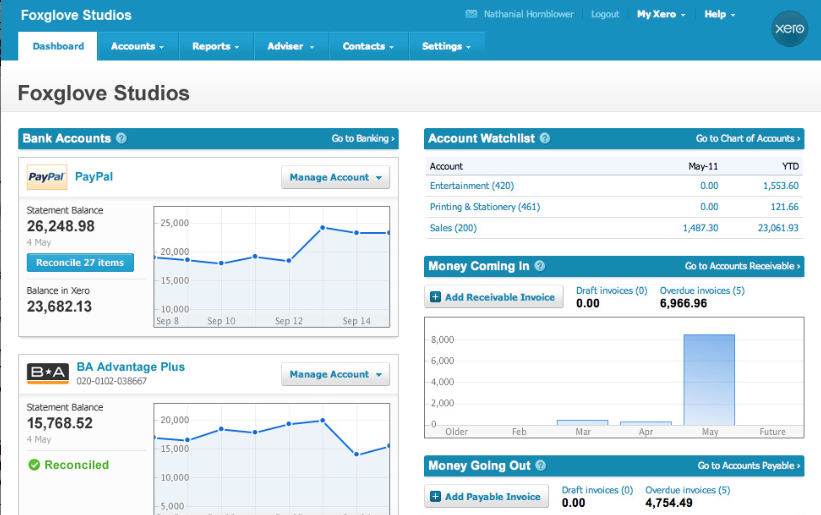
Credit: www.softwareadvice.com
Setting Up Your Xero Account
Setting up your Xero account is the first step to managing your finances. This guide will help you create an account and complete the initial configuration. Follow these steps to get started quickly and efficiently.
Creating An Account
Visit the Xero website and click on the “Try Xero for free” button. Fill out the registration form with your email, name, and password. Next, check your email for a confirmation link. Click the link to verify your email address.
Once verified, you will be prompted to enter some business details. This includes your business name, industry, and country. Make sure to enter accurate information to avoid issues later. After entering your details, click “Get Started” to move on to the next step.
Initial Configuration
After creating your account, you will be directed to the dashboard. Here, you will need to complete the initial configuration. Start by setting your financial year-end date. This is crucial for accurate financial reporting.
Next, connect your bank accounts to Xero. This allows for automatic bank feed updates. To do this, go to the “Bank Accounts” tab and click “Add Bank Account.” Follow the prompts to link your bank.
Set up your chart of accounts. This is a list of all your financial accounts. Xero provides a default chart of accounts, but you can customize it to fit your needs. Go to “Settings” and select “Chart of Accounts” to make adjustments.
Finally, invite your accountant or bookkeeper to your Xero account. This ensures they can help you manage your finances. Go to “Settings,” then “Users,” and click “Invite a User.” Enter their email and select their role.
Navigating The Dashboard
Getting started with Xero Accounting Software can be exciting. The dashboard is the first thing you see. It gives a clear overview of your financial data. But, it can be overwhelming for beginners. This section will guide you through the dashboard. Learn how to navigate and customize your view.
Dashboard Overview
The dashboard is the control center of Xero. It shows key financial information. You can see bank balances, invoices, and bills. It also displays expense claims and cash flow. Everything you need is in one place.
Each section on the dashboard has a specific purpose. The bank accounts section shows your current balances. The invoices section shows unpaid and overdue invoices. Bills to pay show your outstanding bills. The expense claims section tracks employee expenses. Cash flow shows your money in and out.
Customizing Your View
Customizing your dashboard is easy. You can choose what information to see. This helps you focus on what matters most.
To customize, click on the ‘Account watchlist’ or ‘Bank accounts’ options. Drag and drop the sections to rearrange them. You can also hide sections you don’t need. This makes your dashboard more user-friendly.
Adjust the settings to fit your needs. For example, show only unpaid invoices. Or, focus on upcoming bills. This way, you control what you see. It makes managing your finances simpler.
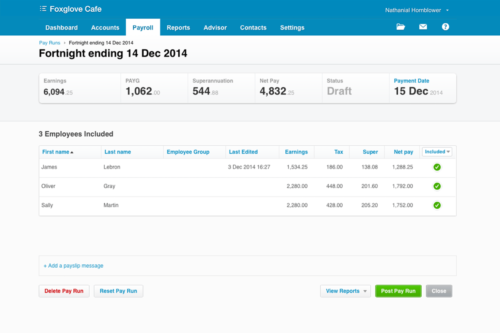
Credit: floatapp.com
Managing Invoices
Managing invoices efficiently is crucial for any business. Xero accounting software simplifies this process. It allows you to create, send, and track invoices with ease. This section will guide you through the steps of managing invoices using Xero.
Creating Invoices
Creating invoices in Xero is straightforward. Follow these steps:
- Log in to your Xero account.
- Navigate to the Sales menu.
- Select New Invoice.
- Fill in the customer details and invoice date.
- Add the items or services provided.
- Set the payment terms and due date.
- Review the invoice for accuracy.
- Click Approve to finalize the invoice.
Once approved, you can send the invoice directly to your customer via email.
Tracking Payments
Tracking payments helps you stay on top of your cash flow. Xero makes this simple:
- Go to the Sales menu.
- Select Awaiting Payment.
- View the list of unpaid invoices.
- Mark invoices as paid when you receive payments.
This feature helps you identify overdue invoices and send reminders.
| Feature | Description |
|---|---|
| Invoice Templates | Customize templates to match your brand. |
| Automatic Reminders | Send automatic reminders for overdue invoices. |
| Payment Tracking | Track payments and overdue invoices. |
Expense Tracking
Tracking expenses is crucial for managing your business finances. With Xero accounting software, you can easily monitor and manage your expenses. This helps you see where your money goes and keeps your finances in order. Let’s dive into the steps for entering and categorizing expenses in Xero.
Entering Expenses
To enter an expense in Xero, follow these steps:
- Log in to your Xero account.
- Click on the Business menu.
- Select Purchases and then New.
- Fill in the required details such as the expense amount, date, and description.
- Click Save to record the expense.
This method ensures all your expenses are recorded accurately.
Categorizing Transactions
Properly categorizing transactions is key to understanding your spending patterns. Here’s how you can do it:
- Go to the Accounting menu.
- Select Bank accounts.
- Choose the account with the transactions you want to categorize.
- Click on the Reconcile tab.
- For each transaction, select the appropriate category from the Category drop-down menu.
- Click OK to save the categorization.
Using categories helps you generate detailed reports. You can see where your money is going at a glance.
Tables can also help in organizing expense categories:
| Category | Description |
|---|---|
| Travel | All travel-related expenses |
| Meals | Food and beverage expenses |
| Office Supplies | Expenses for office materials |
Using these steps, you can streamline your expense tracking process in Xero.
Bank Reconciliation
Bank reconciliation is a crucial part of accounting. It helps ensure your financial records match your bank statements. Xero accounting software makes this process easy and efficient. Let’s explore how to use Xero for bank reconciliation.
Connecting Your Bank
First, you need to connect your bank account to Xero. Go to the “Bank Accounts” section. Click on “Add Bank Account.” Choose your bank from the list. Follow the prompts to enter your login details. Xero will sync with your bank. Your transactions will automatically import into Xero.
Reconciling Transactions
Once your bank account is connected, you can start reconciling transactions. Go to the “Reconcile” tab. You will see a list of transactions. Match each transaction with the corresponding entry in Xero. Click on “OK” to confirm the match. If a transaction is missing, you can add it manually. Click on “Add Transaction” to do so. Enter the details and save it. Xero will then match it with your bank statement.
Reconcile your transactions regularly. It ensures your accounts are up to date. It also helps catch any errors or discrepancies early. Xero makes bank reconciliation simple and efficient.
Generating Financial Reports
Generating financial reports is a crucial aspect of managing any business. Using Xero Accounting Software, you can easily create detailed financial reports. These reports help you understand your business’s financial health. Let’s delve into creating some essential reports: the Profit and Loss Statement and the Balance Sheet.
Profit And Loss Statement
The Profit and Loss Statement in Xero shows your revenue and expenses. This report is vital to see if your business is profitable. Follow these simple steps to generate it:
- Log in to your Xero account.
- Navigate to the Accounting menu.
- Click on Reports.
- Select Profit and Loss.
- Choose the time period you want to review.
- Click Update to generate the report.
The report will display your income, expenses, and net profit or loss. Review it regularly to monitor your business’s performance.
Balance Sheet
The Balance Sheet provides a snapshot of your business’s financial position. It lists your assets, liabilities, and equity. Here’s how to create a Balance Sheet in Xero:
- Log in to your Xero account.
- Navigate to the Accounting menu.
- Click on Reports.
- Select Balance Sheet.
- Choose the date for the report.
- Click Update to view the report.
The Balance Sheet will show what you own and owe at a specific point in time. Regularly reviewing this report helps you understand your financial stability.
Integrations And Add-ons
Integrations and add-ons can greatly enhance the functionality of Xero Accounting Software. These tools connect Xero with other applications, streamlining your business processes and increasing efficiency. By using integrations and add-ons, you can tailor Xero to meet your specific needs.
Popular Integrations
Xero offers a wide range of integrations with popular business applications. For example, you can connect Xero to your e-commerce platform. This helps automate sales data entry. Another popular integration is with payroll software. This ensures your employee payments are accurate and timely.
Integrations with payment processors like PayPal or Stripe are also available. These integrations make it easy to manage online transactions. If you use CRM software, you can sync it with Xero. This keeps your customer information up-to-date. These integrations save time and reduce manual work.
Using Add-ons
Add-ons extend the capabilities of Xero. They offer specialized features that are not available in the core software. For example, you can use an add-on for inventory management. This helps you keep track of stock levels and orders. Another useful add-on is for project management. It helps you monitor project expenses and progress.
You can find add-ons for reporting and analytics. These provide deeper insights into your financial data. Time tracking add-ons are also available. They help you record billable hours easily. Add-ons can be found in the Xero App Marketplace. Choose the ones that best fit your business needs.
Tips And Best Practices
Using Xero accounting software can streamline your financial management. To make the most of it, follow these tips and best practices. They can help you save time and keep your records accurate.
Automating Tasks
Xero has many features that can automate your tasks. For example, set up bank feeds. This pulls your bank transactions into Xero automatically. Use recurring invoices for regular clients. This way, you don’t have to create new invoices each time. Schedule payments to avoid late fees. Automation reduces manual work and errors.
Maintaining Accuracy
Accuracy is crucial in accounting. Reconcile your accounts regularly. This ensures that your records match your bank statements. Use the ‘Find and Match’ feature. It helps you match transactions with your records. Review your reports often. This can help you spot any discrepancies early. Always double-check your entries. Accurate records help you make better financial decisions.
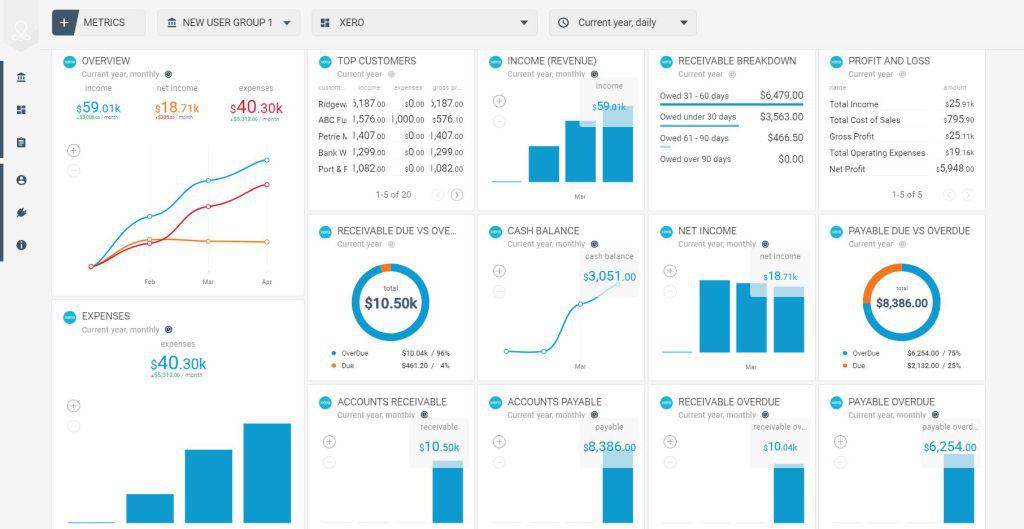
Credit: projectmanagers.net
Frequently Asked Questions
What Is Xero Accounting Software?
Xero is a cloud-based accounting software. It helps businesses manage their finances. Users can track expenses, create invoices, and generate reports easily.
How To Create An Invoice In Xero?
To create an invoice, log in to Xero. Go to the “Sales” tab and select “New Invoice”. Fill in the required details and save.
Can I Connect My Bank Account To Xero?
Yes, you can connect your bank account to Xero. Go to the “Bank Accounts” section and follow the prompts to link your account.
How Secure Is Xero Accounting Software?
Xero uses advanced encryption to protect your data. Regular security updates ensure your information remains secure and private.
Conclusion
Using Xero accounting software can simplify your financial tasks. It offers user-friendly tools that help manage your business finances. Track expenses, create invoices, and generate reports with ease. Xero’s cloud-based system ensures your data is safe and accessible. You can make informed financial decisions quickly.
Start using Xero today for a smoother accounting experience. Remember, consistency is key. Keep your records updated regularly. Happy accounting!
]]>Accounting software helps you keep track of income, expenses, and other financial data. It automates tasks, making your work easier and more accurate. Understanding how to use this software can save time and reduce errors. In this guide, we will explore the basics of using accounting software.
You’ll learn how it can streamline your business processes. Whether you’re new to accounting or looking to improve your skills, this guide will be beneficial. We’ll break down the steps so you can follow along easily. By the end, you’ll feel more confident in managing your business finances. Let’s get started!
Introduction To Accounting Software
Accounting software helps businesses manage financial transactions. It automates tasks like billing, invoicing, and tracking expenses. This software is essential for small and large businesses. It saves time and reduces errors.
Why Use Accounting Software
There are many reasons to use accounting software:
- Efficiency: It speeds up financial processes.
- Accuracy: It reduces human errors in calculations.
- Reporting: It generates financial reports quickly.
- Compliance: It ensures compliance with tax laws.
Using accounting software makes financial management easier. It gives you more time to focus on your business.
Types Of Accounting Software
There are different types of accounting software:
| Type | Description |
|---|---|
| Cloud-Based | Accessible from any device with internet. Ideal for remote work. |
| Desktop | Installed on a single computer. Suitable for small businesses. |
| Enterprise | Designed for large organizations. Offers extensive features. |
| Open Source | Customizable and free. Requires technical knowledge to set up. |
Choose the type that fits your business needs. Consider factors like budget and complexity.
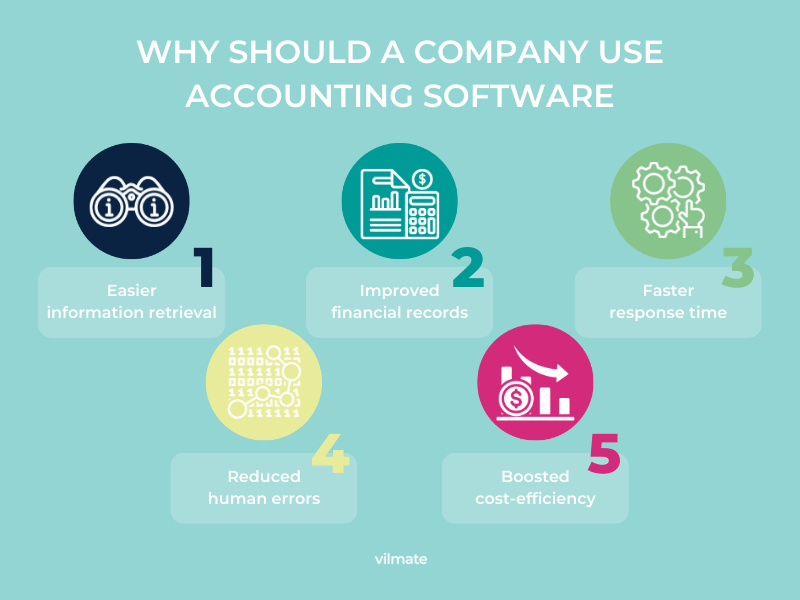
Credit: vilmate.com
Choosing The Right Software
Choosing the right accounting software can be challenging. The right tool simplifies your tasks, saves time, and reduces errors. You need software that fits your business needs. So, where do you start? Let’s break it down.
Assessing Your Needs
First, understand your business requirements. Do you need software for invoicing or payroll? Maybe you need both. Think about the size of your business. A small startup has different needs compared to a large company. Also, consider your budget. Some software can be expensive. Others offer free basic plans. Make a list of must-have features. This will help you narrow down your options.
Top Features To Look For
Look for user-friendly software. It should be easy to navigate. Cloud-based solutions offer flexibility. You can access them from anywhere. Integration with other tools is important. Ensure the software connects with your bank. It should also sync with your existing systems. Check for automated features. They save time and reduce manual errors. Reporting and analytics are crucial. They help you understand your financial health. Customizable reports offer insights tailored to your business. Lastly, ensure good customer support. You might need help setting up or troubleshooting issues.
Setting Up Your Account
Setting up your account is the first step in using accounting software. This process ensures that your information is accurate and organized. It also tailors the software to your specific needs. Let’s break it down into simple steps.
Creating Your Profile
Start by creating your profile. Enter basic details like your name, email, and business name. Ensure your email is correct. This is crucial for receiving updates. Some software may ask for additional details. Fill them out carefully.
Configuring Settings
Next, configure the settings. Go to the settings menu. Adjust the preferences to match your business needs. Set your currency, time zone, and language. Choose your preferred date format. These settings help in generating accurate reports.
You might also need to set up tax information. Enter your tax ID and rates. This will automate tax calculations. Review all settings before saving. Double-check for accuracy. This will save you time later.
Inputting Financial Data
Using accounting software can simplify your financial tracking. Inputting financial data is a crucial step. It ensures accurate records and helps in decision-making. Let’s delve into the specifics of entering income and expenses, and tracking assets and liabilities.
Entering Income And Expenses
Accurate entry of income and expenses is vital. Start by categorizing your income streams. This could be sales revenue, service fees, or investment returns. Use the software’s income entry form to input these details. Ensure you include the date, amount, and source.
Next, focus on expenses. Categorize them as operational costs, salaries, or utilities. Enter each expense in the software, detailing the date, amount, and recipient. Most software allows attaching receipts. Make use of this feature for better record-keeping.
| Category | Details to Enter |
|---|---|
| Income | Date, Amount, Source |
| Expenses | Date, Amount, Recipient |
Tracking Assets And Liabilities
Properly tracking assets and liabilities is essential for a clear financial picture. Start with assets. This includes cash, inventory, and property. Input the value and acquisition date of each asset. Update this regularly to reflect changes.
Then, record your liabilities. This includes loans, mortgages, and other debts. Enter the liability amount, lender, and due date. Regular updates ensure your liabilities are current.
- Enter assets: value and acquisition date.
- Update assets regularly.
- Record liabilities: amount, lender, and due date.
By diligently entering and tracking your financial data, you maintain an accurate financial record. This enables better financial planning and decision-making.
Managing Invoices
Managing invoices efficiently is crucial for any business. It ensures timely payments and maintains cash flow. Accounting software simplifies this process. It helps you create, send, and track invoices with ease. Let’s explore how to manage invoices effectively.
Creating Invoices
Start by selecting the ‘Create Invoice’ option in your accounting software. Enter the customer’s details. Include the invoice date, due date, and payment terms. Itemize the products or services provided. Ensure each item has a description, quantity, and price. Add any applicable taxes. Review the total amount. Save and preview the invoice. Send it directly to the customer via email.
Managing Payments
Track payments received using the ‘Payments’ section. Mark invoices as paid once the payment is received. Record the payment method used. Update the invoice status to reflect the payment. Generate receipts and send them to the customer. Monitor unpaid invoices. Send reminders for overdue payments. Regularly update your records to maintain accuracy.
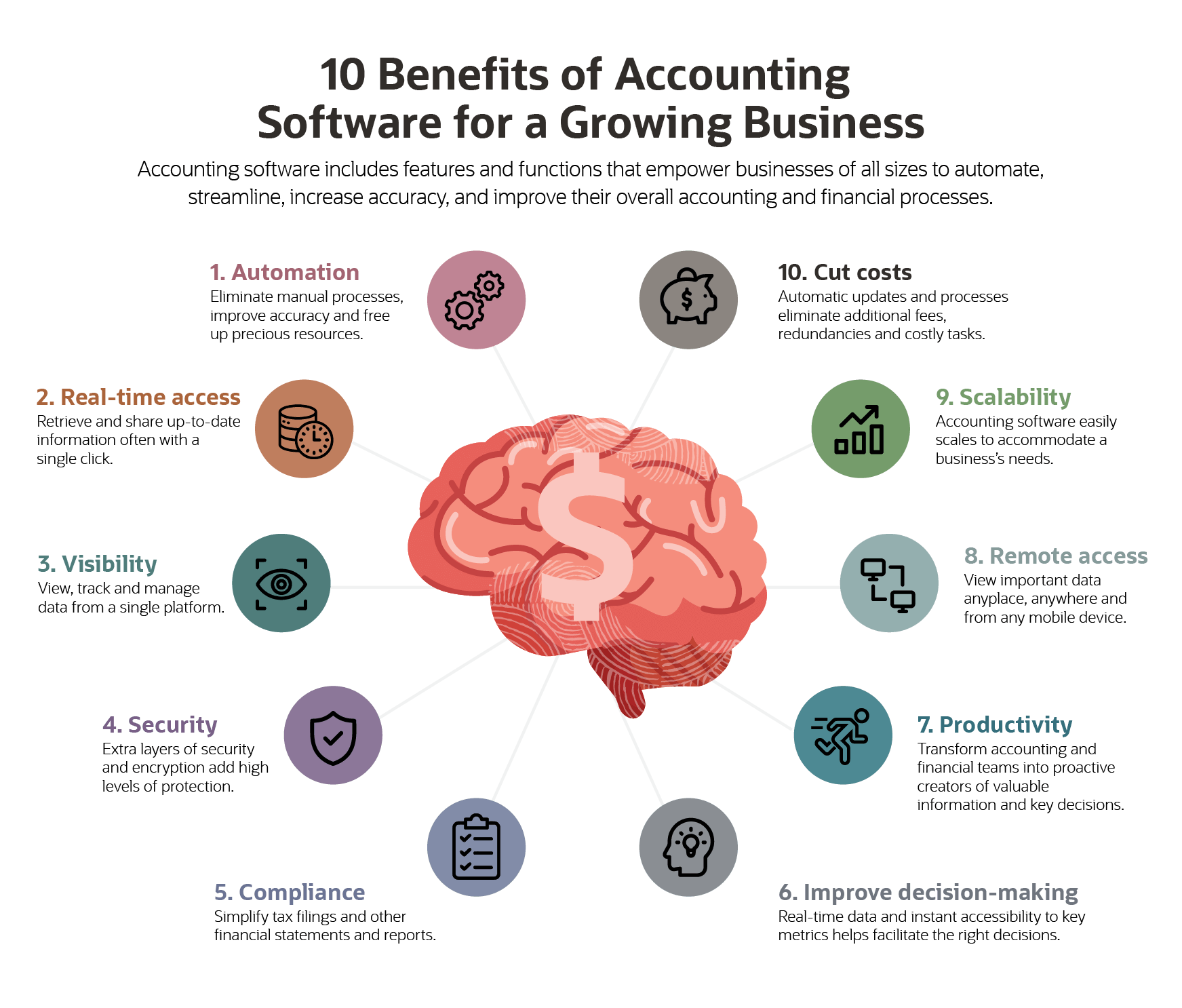
Credit: www.netsuite.com
Generating Financial Reports
Generating financial reports is a crucial aspect of using accounting software. These reports provide valuable insights into the financial health of your business. They are essential for decision-making and strategic planning. Below, we explore how to generate two important financial reports: Profit and Loss Statements and Balance Sheets.
Profit And Loss Statements
The Profit and Loss (P&L) Statement, also known as the Income Statement, shows your revenue and expenses over a specific period. It helps you understand how profitable your business is.
To generate a P&L Statement:
- Open your accounting software.
- Navigate to the ‘Reports’ section.
- Select ‘Profit and Loss Statement’ or ‘Income Statement’.
- Choose the date range for the report.
- Click ‘Generate’ or ‘Run Report’.
Your P&L Statement will display:
- Total Revenue: The income generated from sales and services.
- Cost of Goods Sold (COGS): The direct costs attributable to the production of goods sold.
- Gross Profit: Revenue minus COGS.
- Operating Expenses: Expenses related to the day-to-day operations.
- Net Profit: Gross profit minus operating expenses.
Balance Sheets
A Balance Sheet provides a snapshot of your company’s financial position at a specific point in time. It lists your assets, liabilities, and equity.
To generate a Balance Sheet:
- Open your accounting software.
- Go to the ‘Reports’ section.
- Select ‘Balance Sheet’.
- Choose the date for the report.
- Click ‘Generate’ or ‘Run Report’.
Your Balance Sheet will include:
| Category | Description |
|---|---|
| Assets | Resources owned by the company (e.g., cash, inventory). |
| Liabilities | Obligations or debts owed to others (e.g., loans, accounts payable). |
| Equity | Owner’s interest in the company (e.g., retained earnings). |
By regularly generating these financial reports, you can keep a close eye on your business’s financial health. This practice helps you make informed decisions and plan for future growth.
Reconciling Accounts
Reconciling accounts is a vital task in managing your business finances. It ensures that your financial records match your bank statements. This helps in identifying any discrepancies and maintaining accurate financial data. Using accounting software can simplify this process and save you time.
Bank Reconciliation
Start by gathering your bank statements and financial records. Open your accounting software and locate the bank reconciliation feature. Enter your bank statement information into the software. Compare each transaction from your bank statement with your financial records. Mark any matching transactions as reconciled. This will help you see which transactions are pending or missing. Repeat this process for each account you need to reconcile.
Handling Discrepancies
Discrepancies can occur during reconciliation. These could be due to errors, missing transactions, or timing differences. Identify any mismatched transactions and investigate the reason. Check if the transaction was recorded incorrectly or if it is missing. Correct any errors in your financial records. If the discrepancy persists, contact your bank for clarification. This ensures that your records are accurate and up-to-date. Regularly reconciling accounts helps maintain the integrity of your financial data.
.webp)
Credit: www.invensis.net
Advanced Features
Advanced features in accounting software can save time and reduce errors. These features offer more than just basic bookkeeping. They help automate tasks, integrate with other tools, and much more.
Automating Tasks
Automating tasks is one of the most helpful advanced features. The software can handle repetitive tasks like invoicing, payroll, and tax calculations. This saves time and ensures accuracy. You can set rules for the software to follow. For example, you can schedule invoices to be sent out on specific dates. This reduces the need for manual intervention. Automated reminders can help you keep track of unpaid invoices. So, you get paid faster.
Integrating With Other Tools
Integrating with other tools can boost your productivity. Accounting software can connect with CRM systems, payment processors, and inventory management tools. This ensures all your data is in one place. No need to switch between different applications. You can also sync your bank accounts to the software. This makes reconciliation easier and faster. Additionally, integration with tax software can simplify tax filing. So, you stay compliant with regulations without much hassle.
Common Mistakes To Avoid
Using accounting software can streamline your financial tasks. But, many users make common mistakes. These errors can lead to bigger problems. Here are some common mistakes to avoid.
Data Entry Errors
Data entry errors can cause serious issues. Always double-check your entries. Incorrect data can lead to wrong financial reports. Use software features to catch mistakes. Utilize auto-fill options where possible. Make sure to review your entries regularly.
Ignoring Software Updates
Ignoring software updates is a big mistake. Updates fix bugs and improve security. They also add new features. Keeping your software updated ensures smooth operation. Set reminders to check for updates. Enable automatic updates if available.
Tips For Efficiency
Efficient use of accounting software can save time and reduce errors. By following some simple tips, you can make the most of your accounting tool. These tips help in maintaining accuracy and ensuring a smooth workflow.
Regularly Updating Records
Keep your financial records up to date. Enter transactions as they happen. This avoids backlog and reduces the chance of mistakes. Regular updates mean you always have current data at your fingertips. It helps in making informed decisions quickly. Set a schedule for updating your records. It could be daily or weekly, depending on your business needs.
Utilizing Customer Support
Customer support is there to help you. Don’t hesitate to reach out. They can solve technical issues and answer your questions. Use their expertise to understand the software better. Many accounting software providers offer tutorials and webinars. Participate in these to learn new features and tips. Having a good relationship with customer support can save you a lot of time.
Frequently Asked Questions
What Is Accounting Software Used For?
Accounting software is used to manage financial transactions, track expenses, and generate financial reports. It helps businesses streamline their accounting processes.
How Do I Choose The Right Accounting Software?
Identify your business needs, budget, and required features. Compare different software options and read reviews before making a decision.
Can Accounting Software Save Time?
Yes, accounting software automates repetitive tasks, reduces manual data entry, and generates reports quickly, saving valuable time.
Is Accounting Software Easy To Use?
Most accounting software is user-friendly and designed for ease of use. Many offer tutorials and customer support.
Conclusion
Using accounting software simplifies financial tasks. It saves time and reduces errors. Learn the features step-by-step. Practice regularly to gain confidence. The software helps track expenses, manage invoices, and create reports. Always keep your data secure. Choose a trusted software that fits your needs.
Stay organized and efficient. Try different features to find what works best. Your business will benefit greatly. Happy accounting!
]]>But what exactly is Sage Accounting Software? Sage Accounting Software is designed to simplify financial tasks. It helps small and medium-sized businesses track income, expenses, and other financial activities. With this software, users can automate repetitive tasks, ensuring accuracy and saving time.
It also offers tools for payroll, inventory management, and tax preparation. This makes financial management more efficient and less stressful. Whether you are new to accounting or an experienced professional, Sage provides a user-friendly interface. This helps everyone manage their finances with ease. Keep reading to learn more about the features and benefits of Sage Accounting Software.
Introduction To Sage Accounting
Sage Accounting Software is a powerful tool for businesses of all sizes. It helps with managing finances, tracking expenses, and ensuring accurate bookkeeping. This software simplifies complex tasks, making them easier to handle. Let’s delve into what makes Sage Accounting so special.
Brief History
Sage began its journey in 1981. It was founded in Newcastle, UK by David Goldman. Initially, the software was developed for small businesses. Over the years, Sage has grown. It now serves millions of customers worldwide. The continuous innovation and customer focus have driven its success.
Core Features
Sage Accounting offers a range of features. One key feature is invoicing. It allows users to create and send invoices quickly. Expense tracking is another feature. Users can record and monitor expenses with ease. Sage also provides bank reconciliation. This helps in matching transactions with bank statements.
Additionally, Sage supports multi-currency transactions. This is essential for businesses operating globally. It also offers detailed financial reporting. Users can generate various reports to gain insights into their financial health. Cloud access is another major feature. Users can access their accounts from anywhere, anytime.
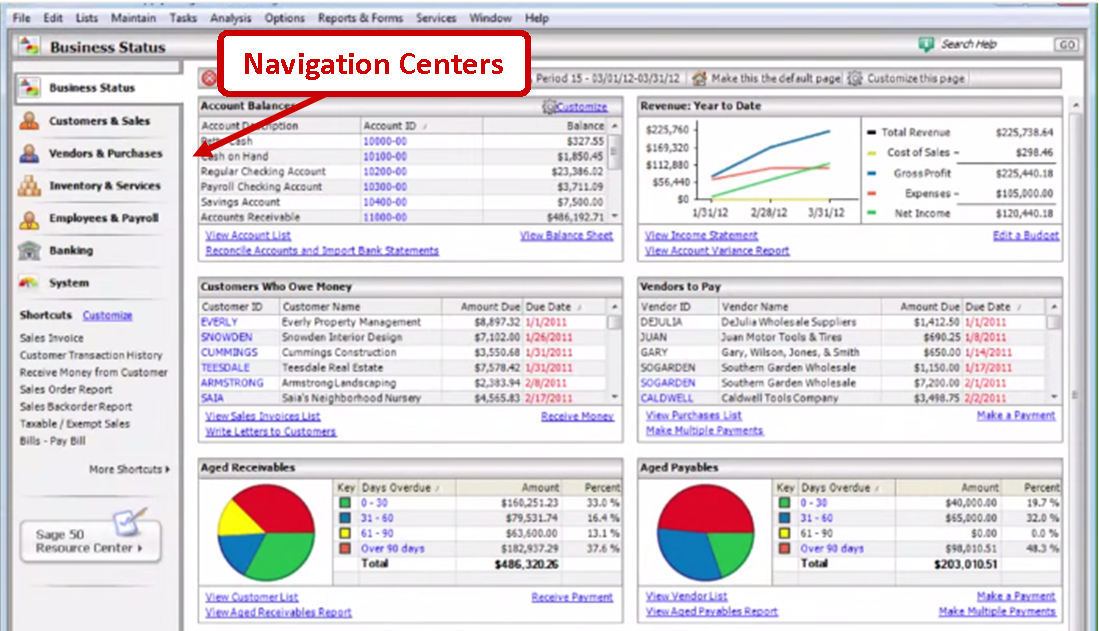
Credit: www.top-sage-resellers.com
Key Benefits
Sage Accounting Software offers a range of benefits for businesses. It helps streamline financial processes and improve overall efficiency. Let’s dive into some of the key benefits:
Efficiency
With Sage Accounting Software, businesses can automate many tasks. This reduces the time spent on manual data entry. Automated invoicing, expense tracking, and payroll management are just a few features that enhance productivity.
The software also integrates with other systems. This allows for seamless data sharing and reduces the need for duplicate entries. By simplifying workflows, businesses can focus more on their core operations.
Accuracy
Accuracy is crucial in accounting. Sage Accounting Software helps ensure data precision. Automated processes reduce the risk of human error. This results in more reliable financial reports.
Additionally, Sage provides real-time updates. This means businesses have the latest financial information at their fingertips. Accurate data helps in making informed decisions and maintaining compliance with regulations.
The software also offers built-in checks and balances. These features help identify and correct discrepancies. Thus, maintaining the integrity of financial data.
Overall, Sage Accounting Software provides significant benefits. It enhances efficiency and accuracy, making it a valuable tool for any business.
Product Range
When exploring Sage Accounting Software, it’s essential to understand its diverse product range. Sage offers different solutions tailored to various business needs. Let’s dive into the specifics of their two main products: Sage Business Cloud and Sage 50cloud.
Sage Business Cloud
Sage Business Cloud is a comprehensive suite designed for small to medium businesses. It provides flexibility and scalability. This platform supports multiple functions:
- Accounting – Manage all financial aspects.
- Payroll – Simplify payroll processing.
- Payments – Secure and streamline payments.
Sage Business Cloud is cloud-based, allowing users to access their data from anywhere. It integrates with various third-party applications, enhancing productivity. Features like real-time reporting and analytics help in making informed decisions.
Sage 50cloud
Sage 50cloud combines desktop software with cloud capabilities. It is ideal for businesses needing robust accounting features. Key functionalities include:
- Inventory Management – Keep track of stock levels.
- Invoicing – Create and send professional invoices.
- Cash Flow Management – Monitor and manage cash flow effectively.
Sage 50cloud offers integration with Microsoft Office 365. This integration enhances collaboration and data management. Users benefit from powerful tools while maintaining the familiarity of desktop software.
Both Sage Business Cloud and Sage 50cloud cater to different business needs, providing flexibility and efficiency. Understanding their features helps in selecting the right solution for your business.
Target Audience
Target Audience:
Sage Accounting Software serves a diverse range of users. Its features cater to various business sizes, making it versatile.
Small Businesses
Small businesses often struggle with managing finances. Sage Accounting Software offers a simple solution. It helps track expenses, manage invoices, and run reports. Small business owners can easily understand and use it.
Its affordable pricing suits tight budgets. The software saves time by automating tasks. This allows owners to focus on growing their business. Sage’s user-friendly interface ensures a smooth experience. Even those with little accounting knowledge can use it.
Medium Enterprises
Medium enterprises have more complex needs. Sage Accounting Software scales to meet these requirements. It offers advanced features like inventory management and payroll services. These tools support growing businesses efficiently.
Medium enterprises benefit from detailed financial reporting. This helps in making informed decisions. Sage’s integration with other business tools is seamless. It ensures all data is in one place. The software also supports multiple users, enabling team collaboration.
Implementation Process
The implementation of Sage Accounting Software is essential for ensuring smooth operations and accurate financial management. This process involves several key steps. These include the initial setup, training, and ongoing support. Here, we will break down each step to help you understand what to expect.
Initial Setup
The first step is the initial setup. This involves installing the software on your systems. You will need to input your company’s financial data. This includes bank accounts, customer information, and vendor details. You should also configure your chart of accounts. This will help you categorize your transactions.
During setup, you can customize the software to fit your business needs. This may include setting up tax codes, payment terms, and user roles. Make sure to review all entered data for accuracy. Errors at this stage can lead to future complications.
Training And Support
Once the software is set up, training your team is crucial. Sage offers various training resources. These include online tutorials, webinars, and user manuals. Ensure your team is familiar with the software’s features and functionalities.
Ongoing support is also available. You can access Sage’s customer support for any queries. There are also community forums and help centers. These resources can assist in troubleshooting and provide best practices.
Proper training and support ensure that your team can use the software effectively. This helps in maintaining accurate financial records and streamlining business operations.
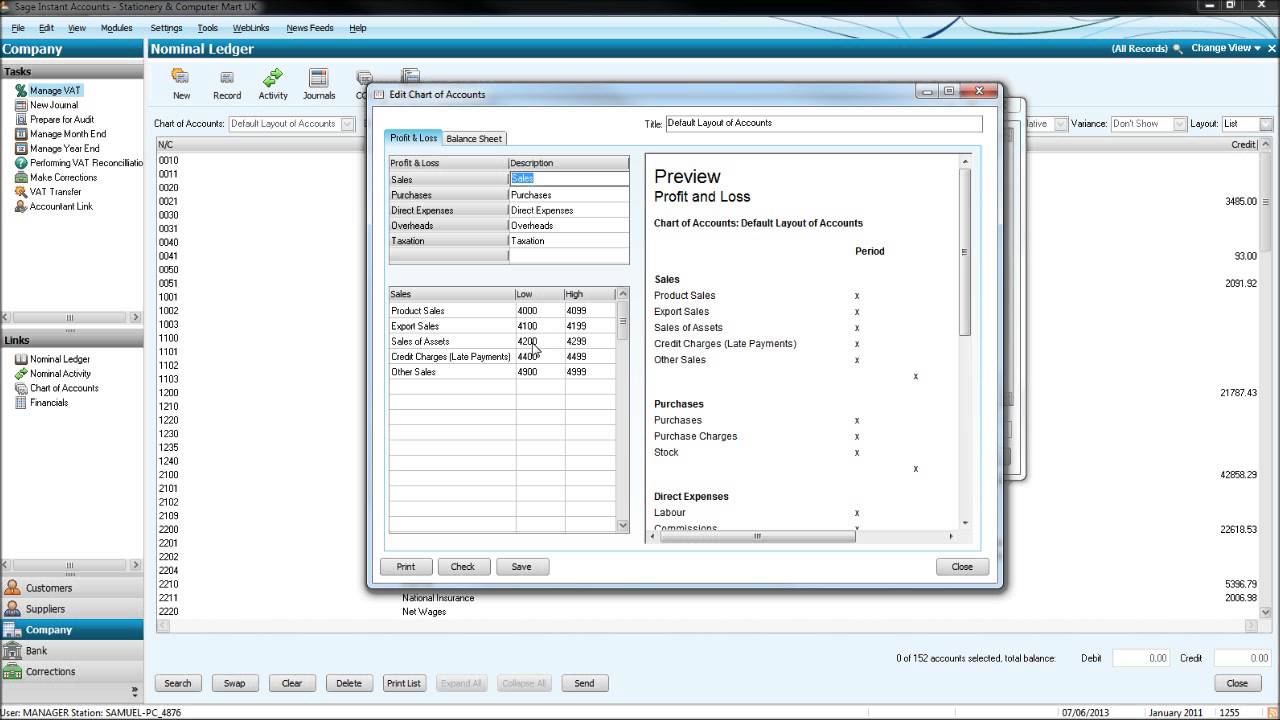
Credit: www.youtube.com
Integration Capabilities
Integration capabilities make Sage Accounting Software a powerful tool for businesses. Seamless integration allows you to connect with other applications and systems. This ensures you have a unified platform for managing your finances. Let’s explore the integration capabilities of Sage Accounting Software.
Third-party Apps
Sage Accounting Software supports many third-party apps. These apps enhance the functionality of your accounting software. You can integrate payment gateways, CRM systems, and e-commerce platforms. This helps streamline various business operations. Popular integrations include PayPal, Stripe, and Shopify. Such integrations save time and reduce manual data entry.
Custom Integrations
Sometimes, out-of-the-box solutions may not meet your needs. Sage Accounting Software offers custom integrations. This means you can tailor the software to fit your unique business requirements. You can integrate with industry-specific tools and systems. This flexibility ensures the software works the way you need it to. It also helps you maintain a smooth workflow.
Custom integrations can be achieved through APIs. APIs, or Application Programming Interfaces, allow different software systems to communicate. With Sage’s robust API support, developers can create custom solutions. These solutions can automate tasks and improve efficiency. Custom integrations make Sage Accounting Software a versatile choice for businesses of all sizes.
Pricing Structure
Understanding the pricing structure of Sage Accounting Software is essential. It helps businesses make informed decisions. In this section, we will break down the costs.
Subscription Plans
Sage Accounting Software offers different subscription plans. Each plan caters to various business needs. Here are the main plans:
- Start Plan: Ideal for freelancers and small businesses. This plan offers basic features like invoicing and expense tracking.
- Standard Plan: Suitable for growing businesses. Includes advanced features such as cash flow management and multi-currency support.
- Plus Plan: Designed for larger businesses. Offers all features of the Standard Plan plus inventory management and project tracking.
Additional Costs
Besides the subscription plans, there are additional costs to consider. These costs can vary based on specific needs.
- Extra Users: Adding more users may incur additional charges.
- Advanced Features: Some advanced features require extra payment. Examples include payroll services and advanced reporting tools.
- Support Services: Access to premium support may come at a higher cost.
It is important to review all potential costs. This ensures no surprise expenses later on.
User Reviews
User reviews provide valuable insights into the performance of Sage Accounting Software. They help potential users understand the strengths and weaknesses of the software. This section will focus on what users have to say, both positive and negative. Let’s dive into the details.
Positive Feedback
Many users appreciate the user-friendly interface of Sage Accounting Software. They find it easy to navigate and use. Small business owners like the software’s affordability and its range of features. Users also praise the customer support. Quick responses and helpful guidance make a big difference. The software’s ability to integrate with other tools receives positive remarks. This feature saves time and reduces manual entry.
Areas For Improvement
Some users have noted areas where Sage Accounting Software could improve. They mention occasional glitches that disrupt workflow. These issues require quick fixes to avoid frustration. A few users feel the initial setup process is complex. More detailed guides or tutorials could help. There are also requests for more advanced features. Users want the software to grow with their business needs. Finally, some users think the mobile app needs enhancements. Better functionality on-the-go would be beneficial.

Credit: www.pcmag.com
Frequently Asked Questions
What Is Sage Accounting Software?
Sage Accounting Software is a cloud-based solution designed for small to medium-sized businesses. It helps with managing finances, invoicing, and payroll.
How Does Sage Accounting Work?
Sage Accounting works by automating financial processes. It allows users to track income, expenses, and generate reports in real-time.
Is Sage Accounting Software Easy To Use?
Yes, Sage Accounting Software is user-friendly. Its intuitive interface makes it easy for anyone to manage finances efficiently.
What Features Does Sage Accounting Offer?
Sage Accounting offers features like invoicing, expense tracking, payroll management, and real-time financial reporting.
Conclusion
Sage Accounting Software offers a comprehensive solution for small businesses. It simplifies bookkeeping tasks and ensures accurate financial tracking. Users benefit from its user-friendly interface and robust features. This software enhances productivity, saves time, and reduces errors. Sage Accounting’s cloud-based nature allows access anytime, anywhere.
Ideal for businesses seeking efficient financial management. Consider Sage Accounting to streamline your accounting processes. Experience the ease and reliability it provides. Make informed decisions with Sage Accounting Software.
]]>This software helps businesses manage their finances more efficiently. Accounting is crucial for any business. It tracks income, expenses, and overall financial health. Square, known for its payment solutions, now offers tools for accounting too. This can be a game-changer for small businesses.
Their software provides features like sales tracking, inventory management, and financial reporting. Using Square for accounting can simplify your financial tasks. It’s designed to be user-friendly and integrates with other Square services. Let’s explore how Square’s accounting software can benefit your business.
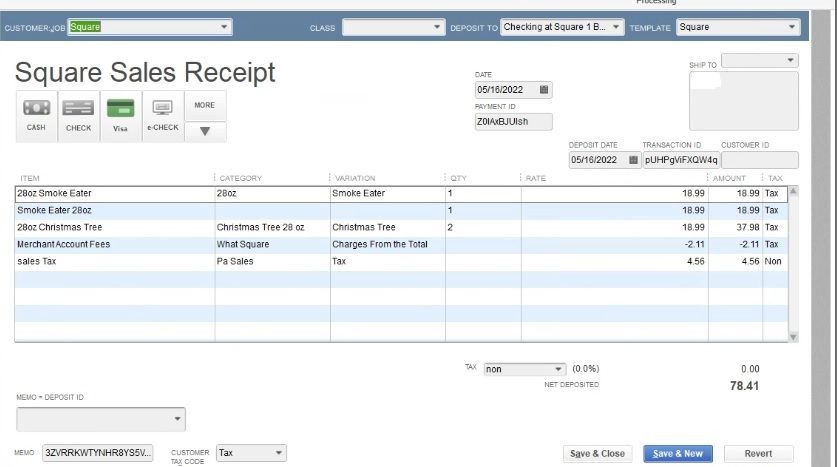
Credit: www.sellercommunity.com
Introduction To Square
Square is a well-known name in the world of financial services. Many small businesses use Square to manage payments, invoices, and more. But did you know that Square also offers accounting solutions? Let’s explore Square and its core services.
What Is Square?
Square is a financial technology company. It was founded in 2009 by Jack Dorsey and Jim McKelvey. Square’s mission is to simplify commerce for everyone. It offers a range of tools to help businesses manage their finances.
Square’s Core Services
Square provides several core services. These include payment processing, point-of-sale systems, and e-commerce solutions. Here is a brief overview:
- Payment Processing: Square allows businesses to accept credit card payments. It supports various payment methods, making transactions easy.
- Point-of-Sale Systems: Square offers POS systems. They help businesses track sales, manage inventory, and handle customer data.
- E-commerce Solutions: Square helps businesses set up online stores. It integrates with popular e-commerce platforms for seamless operations.
Square’s services are designed to be user-friendly. They cater to businesses of all sizes, from small startups to large enterprises.
Square’s Ecosystem
Square offers more than just payment processing. Their ecosystem includes various tools designed to help businesses grow. One key component is their accounting software. It integrates seamlessly with other Square products. This makes managing finances much easier.
Integration With Other Tools
Square’s accounting software works well with other business tools. It syncs with Square Point of Sale (POS) systems. This integration helps track sales in real-time. It also connects with payroll services. This ensures employee payments are accurate and timely.
Square’s ecosystem also integrates with popular third-party apps. These include QuickBooks and Xero. This allows businesses to use their favorite accounting tools without hassle. The integration is smooth and user-friendly. It saves time and reduces manual data entry.
Benefits Of Using Square
Using Square’s ecosystem has many benefits. First, it offers a unified platform. This means you can manage everything from one place. It simplifies business operations. You don’t need multiple software solutions.
Square’s tools are also easy to use. The interface is intuitive and straightforward. Even those new to accounting will find it manageable. Additionally, Square provides reliable customer support. This ensures you get help when needed.
Another benefit is cost-effectiveness. Square offers competitive pricing. This makes it affordable for small businesses. Their transparent pricing model means no hidden fees. You know exactly what you’re paying for.
In summary, Square’s ecosystem offers seamless integration and numerous benefits. It simplifies accounting tasks and helps businesses run smoothly. It’s a valuable tool for any business owner.
Square And Accounting
Square is a popular payment processing platform for small businesses. But does it offer accounting software? Many small business owners need both payment processing and accounting services. Let’s explore Square’s approach to accounting and how it meets the needs of small businesses.
Accounting Needs Of Small Businesses
Small businesses have specific accounting needs. They require tools to manage invoices, track expenses, and generate financial reports. Accurate bookkeeping is essential for tax preparation and financial planning. Small business owners often look for software that is easy to use and integrates with other tools they already use.
- Managing invoices
- Tracking expenses
- Generating financial reports
- Accurate bookkeeping
- Easy integration with other tools
Square’s Approach To Accounting
Square offers several features to support small business accounting. It integrates with popular accounting software like QuickBooks and Xero. This makes it easy to sync sales data and streamline bookkeeping.
Square also provides its own tools to help with basic accounting tasks. These include:
- Invoicing: Create and send invoices directly from the Square dashboard.
- Expense Tracking: Track expenses and categorize them for easy reporting.
- Sales Reports: Generate detailed sales reports to understand your business performance.
These features help small businesses manage their finances more effectively. Square’s integration with other accounting software ensures that all financial data is accurate and up-to-date. This reduces the risk of errors and saves time.
In summary, while Square is not a full-fledged accounting software, it offers tools and integrations that make accounting easier for small businesses. By combining payment processing with basic accounting features, Square provides a comprehensive solution for small business owners.
Square Invoices
Square Invoices is a feature-rich tool within Square’s ecosystem. It helps businesses create, send, and manage invoices with ease. This tool is particularly useful for small business owners who need a simple yet effective invoicing solution. The following sections will cover how to create invoices and track payments using Square Invoices.
Creating Invoices
Creating an invoice with Square Invoices is straightforward. You can start by logging into your Square Dashboard. Then, select the “Invoices” tab from the menu. Click on the “Create Invoice” button to begin.
Fill in the necessary details such as the customer’s information, invoice number, and due date. You can also add items or services, along with their prices and quantities. Square Invoices lets you apply discounts or taxes to your items if needed.
Once the details are complete, you can preview the invoice. Make any adjustments if required. After that, you can send the invoice directly to your customer’s email. Square Invoices also provides an option to send the invoice via SMS.
Tracking Payments
Tracking payments with Square Invoices is hassle-free. Once you send an invoice, you can monitor its status directly from your Square Dashboard. The invoice statuses include “Sent”, “Viewed”, “Paid”, and “Overdue”.
Square Invoices provides real-time notifications. You will be alerted when a customer views or pays the invoice. This helps you stay updated without constantly checking the dashboard.
For overdue invoices, Square Invoices allows you to send reminders. These reminders can be scheduled to send automatically, ensuring timely payments from your customers.
You can also generate reports to analyze your invoicing activities. These reports give insights into paid, unpaid, and overdue invoices. This helps in managing cash flow effectively.
Square Payroll
Square Payroll is an important part of Square’s offerings. It helps businesses manage their payroll processes with ease. This software is simple and user-friendly. It is designed to cater to small and medium-sized businesses.
Managing Payroll
Managing payroll can be a complex task. With Square Payroll, it becomes straightforward. The software handles tax calculations, filings, and payments. Employers can pay their employees through direct deposit. It also supports checks. This ensures timely and accurate payments.
Square Payroll syncs with Square Point of Sale. This integration helps in tracking employee hours. The software automatically calculates overtime. It also keeps track of paid time off. This integration reduces manual work and errors. It saves time and effort.
Employee Benefits
Providing employee benefits is crucial. Square Payroll makes it simple. Employers can offer health insurance. The software partners with providers for easy enrollment. It also supports 401(k) retirement plans. Employees can manage their retirement savings effortlessly.
Square Payroll helps manage other benefits too. These include workers’ compensation and pre-tax benefits. Employers can offer commuter benefits as well. The software ensures compliance with regulations. This helps in avoiding penalties and fines.
Square Payroll is a comprehensive solution. It simplifies payroll management. It also helps in providing valuable benefits to employees. This improves employee satisfaction and retention.

Credit: www.funraise.org
Square’s Financial Reporting
Square’s financial reporting tools offer comprehensive insights into your business’s financial health. These tools help you understand and manage your finances better. With Square’s easy-to-use interface, generating detailed reports becomes a simple task.
Generating Reports
Square’s software allows you to generate various financial reports. You can create sales reports, profit and loss statements, and balance sheets. These reports provide an overview of your business’s performance. You can view your earnings, expenses, and net income easily. The detailed reports help you make informed business decisions.
Analyzing Financial Data
Analyzing financial data with Square’s tools is straightforward. The software organizes your data clearly. This makes it easy to spot trends and patterns. You can track your sales, monitor your expenses, and see your profit margins. This helps in understanding where your business stands financially.
Square’s financial reporting tools provide valuable insights. These insights help in planning and forecasting. By analyzing your financial data, you can identify areas for improvement. This ensures your business remains profitable and sustainable.
Integration With Accounting Software
Square is a well-known name in the world of business tools. It offers a variety of solutions for small businesses. One common question is, “Does Square have accounting software?” While Square itself is not an accounting platform, it does provide seamless integration with accounting software to help manage your finances efficiently.
Popular Accounting Integrations
Square supports various popular accounting software integrations. This means you can use your favorite tools with Square. Here are some of the most popular ones:
- QuickBooks: QuickBooks is a widely used accounting software. It helps in tracking expenses and income.
- Xero: Xero is another popular choice. It offers features like invoicing and bank reconciliation.
- Zoho Books: Zoho Books is great for managing your finances. It helps in automating business workflows.
How To Integrate
Integrating Square with accounting software is simple. Follow these steps to get started:
- Sign in to your Square account.
- Go to the App Marketplace from your dashboard.
- Find the accounting software you want to integrate.
- Click on the app and follow the instructions to connect.
- Authorize the connection and sync your data.
With these steps, your Square account will sync with the chosen accounting software. This helps you keep your financial data updated and organized.
User Experience And Reviews
The user experience of Square’s accounting software has received mixed reviews. Small business owners often seek software that is simple and efficient. Square aims to provide this, but what do users say?
Customer Feedback
Many users appreciate the intuitive interface of Square’s accounting software. They find it easy to navigate. The integration with Square’s other products is seamless.
Here are some common points from customer feedback:
- Easy to set up and use
- Good integration with Square’s payment system
- Limited advanced features
- Basic reporting tools
Pros And Cons
Like any software, Square’s accounting solution has its strengths and weaknesses. Let’s break them down:
| Pros | Cons |
|---|---|
|
|
In summary, Square’s accounting software is a good choice for small businesses. It is user-friendly and integrates well with other Square products. But it may lack some advanced features required by larger businesses.
Credit: scaleupally.io
Frequently Asked Questions
Does Square Offer Accounting Software?
Yes, Square offers accounting software called Square for Retail. It helps manage sales, inventory, and customer data.
How Does Square Accounting Software Work?
Square accounting software integrates with your POS system. It tracks sales, expenses, and generates reports.
Is Square Accounting Software Free?
Square accounting software offers a free tier. Additional features are available with paid plans.
Can Square Accounting Software Integrate With Quickbooks?
Yes, Square accounting software can integrate with QuickBooks. This allows seamless syncing of sales and financial data.
Conclusion
Square offers accounting software that fits many business needs. It integrates well. The software is user-friendly. It helps manage finances efficiently. Small businesses can benefit greatly. Tracking expenses becomes easier. Reports are accessible quickly. Payments are streamlined. Square’s accounting tool simplifies tasks.
It’s a solid choice for business owners. Try it to see the difference.
]]>