
In the fast-evolving world of healthcare, managing patient relationships is vital. The right CRM software can make all the difference.
Healthcare CRM software helps clinics and hospitals manage patient data effectively. It improves communication, enhances patient care, and ensures better follow-ups. The best CRM tools are tailored for healthcare needs, ensuring smooth operations and improved patient experiences. They integrate seamlessly with existing systems, ensuring no disruption in service.
Adopting a good healthcare CRM can streamline administrative tasks, allowing more focus on patient care. Investing in the right software can transform patient management, making it more efficient and patient-centric. In this blog, we explore the best healthcare CRM software available today. Discover which ones can meet your specific needs and elevate your healthcare services.
Introduction To Healthcare Crm
Healthcare CRM software is transforming patient care. It helps manage relationships between patients and healthcare providers. This software improves patient experience, streamlines communication, and enhances service delivery. In modern healthcare, CRM systems are becoming essential tools.
Importance In Modern Healthcare
Healthcare CRM systems collect and organize patient data. They help providers understand patient needs better. This leads to personalized care and better patient outcomes. CRM software also helps in managing appointments and follow-ups. This reduces missed appointments and ensures timely care.
Evolution Of Patient Management
Patient management has evolved over the years. Earlier, it relied on manual record-keeping. This was time-consuming and prone to errors. Modern CRM systems automate many tasks. They provide accurate and up-to-date patient information. This improves efficiency and reduces errors.
Healthcare CRM systems also integrate with other healthcare software. This creates a seamless flow of information. It ensures that all patient data is accessible when needed. This holistic approach to patient management leads to better care and improved patient satisfaction.
Key Features Of Healthcare Crm
Healthcare CRM software comes with various features to improve patient care and streamline operations. The key features help healthcare providers manage patient data, schedule appointments, and communicate effectively. Understanding these features can help you choose the best CRM for your needs.
Patient Data Management
Effective patient data management is crucial for any healthcare provider. Healthcare CRM software allows for the secure storage and organization of patient information. This includes medical history, treatment plans, and personal details.
- Centralized Database: Keeps all patient records in one place.
- Data Security: Ensures patient information remains confidential.
- Easy Access: Allows healthcare providers to quickly retrieve patient data.
Such features help in making informed decisions and providing personalized care.
Appointment Scheduling
Appointment scheduling features in healthcare CRM help manage patient appointments efficiently. This includes booking, rescheduling, and cancellations.
- Automated Reminders: Sends reminders to patients about upcoming appointments.
- Online Booking: Allows patients to book appointments online.
- Calendar Integration: Syncs with calendars to avoid double bookings.
These features reduce no-show rates and improve patient satisfaction.
Communication Tools
Communication tools in healthcare CRM enhance the interaction between patients and healthcare providers. These tools ensure timely and efficient communication.
- Email and SMS: Send updates and reminders to patients.
- Patient Portals: Allow patients to view their records and communicate with providers.
- Telehealth Integration: Facilitate virtual consultations and follow-ups.
With these tools, healthcare providers can maintain strong relationships with their patients.
Top Healthcare Crm Software Solutions
Choosing the right CRM software is crucial for healthcare providers. The best CRM software solutions help manage patient information, improve communication, and enhance patient care. Here is an overview of the top healthcare CRM software solutions available today.
Overview Of Leading Platforms
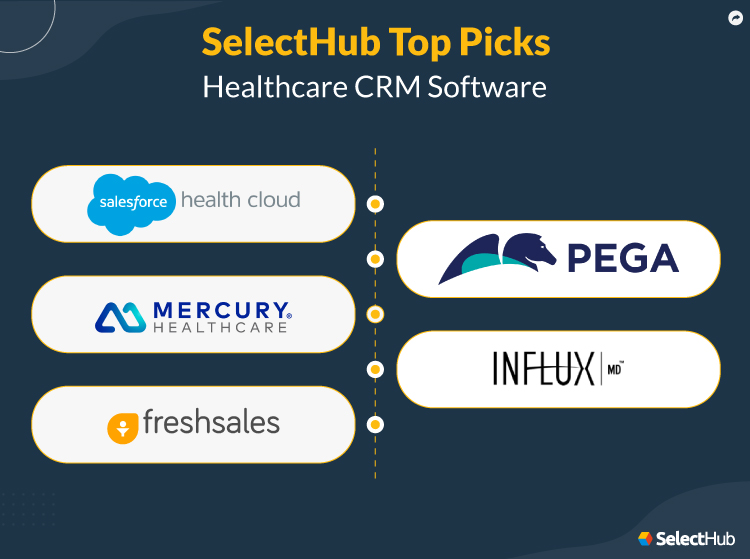
Several leading platforms offer CRM solutions tailored for healthcare. These platforms include:
- Salesforce Health Cloud: Known for its patient management and communication features.
- HubSpot CRM: Offers robust automation and integration capabilities.
- Zendesk: Provides comprehensive customer service and support tools.
- Microsoft Dynamics 365: Known for its analytics and reporting features.
- Insightly: Offers user-friendly interface and scalability options.
Comparison Of Features
Understanding the features of each CRM solution can help make a better choice. Below is a comparison of key features:
| Platform | Patient Management | Automation | Integration | Analytics | Ease of Use |
|---|---|---|---|---|---|
| Salesforce Health Cloud | Yes | Yes | Yes | Yes | High |
| HubSpot CRM | No | Yes | Yes | Moderate | High |
| Zendesk | No | Moderate | Yes | Moderate | High |
| Microsoft Dynamics 365 | Yes | Yes | Yes | High | Moderate |
| Insightly | No | Yes | Yes | Moderate | High |
Each platform has strengths and weaknesses. Choose based on your specific needs.
Credit: revopsteam.com
Benefits Of Implementing Healthcare Crm
Implementing a Healthcare CRM system offers numerous advantages to healthcare providers. From improving patient engagement to enhancing operational efficiency, the benefits are substantial. Let’s delve into how a Healthcare CRM can transform your healthcare practice.
Improved Patient Engagement
Healthcare CRM systems help improve patient engagement by offering personalized communication. Patients receive reminders for appointments, follow-ups, and medication schedules. This personalized approach makes patients feel valued and increases their satisfaction.
Additionally, CRMs provide a platform for patients to access their medical records. This transparency fosters trust and encourages patients to take an active role in their health management.
Furthermore, healthcare CRMs enable providers to track patient interactions across multiple touchpoints. This comprehensive view helps in delivering consistent and high-quality care.
Enhanced Operational Efficiency
Healthcare CRM software enhances operational efficiency by automating routine tasks. Tasks like appointment scheduling, billing, and follow-ups can be automated, reducing the workload on healthcare staff.
Moreover, CRMs streamline patient data management. All patient information is stored in a centralized database, making it easily accessible to authorized personnel. This reduces the time spent on searching for patient records and minimizes errors.
Additionally, healthcare CRMs offer analytics and reporting tools. These tools provide insights into patient trends, treatment outcomes, and resource utilization. Such data-driven insights help in making informed decisions and improving overall operational efficiency.
| Benefit | Description |
|---|---|
| Improved Patient Engagement | Personalized communication, access to medical records, consistent care |
| Enhanced Operational Efficiency | Automation of tasks, centralized data, data-driven insights |
Challenges In Adopting Healthcare Crm
Adopting Healthcare CRM software has its own set of challenges. These challenges can make the adoption process complex. Here are some of the main issues:
Data Security Concerns
One of the biggest challenges is data security. Healthcare data is sensitive. It includes patient records, medical history, and personal information. Securing this data is essential.
Healthcare CRM systems must comply with laws. These laws include HIPAA in the United States. Failure to comply can result in fines and legal issues. Therefore, ensuring data security is a top priority.
| Challenge | Impact |
|---|---|
| Data Breach | Loss of patient trust |
| Non-compliance | Legal penalties |
| System Vulnerabilities | Data theft |
Integration With Existing Systems
Another challenge is integration with existing systems. Healthcare facilities often use multiple software systems. These include Electronic Health Records (EHR) and billing systems. Integrating a new CRM system can be complex.
Successful integration requires compatibility. The new CRM must work with existing software. This ensures smooth data flow between systems. It also prevents duplication of work and errors.
Here are some steps to ensure successful integration:
- Evaluate existing systems for compatibility.
- Choose a CRM that supports standard APIs.
- Test the integration in a controlled environment.
- Provide training for staff on the new system.
- Monitor the integration for any issues.
Proper integration can save time and improve efficiency. It helps in providing better patient care.
Credit: www.selecthub.com
Case Studies Of Successful Implementation
Healthcare organizations have significantly improved patient engagement using the best healthcare CRM software. These case studies highlight increased efficiency, better patient communication, and enhanced care coordination.
Choosing the right healthcare CRM software can transform medical practices. Real-world examples highlight its benefits. Hospitals and clinics have seen remarkable improvements in patient care and operational efficiency.Hospital Success Stories
A large hospital in New York needed better patient management. They implemented a healthcare CRM system. The results were impressive. Patient wait times reduced by 40%. Staff could access patient records instantly. This led to better care and higher patient satisfaction. Another hospital in California struggled with follow-ups. They used a CRM to automate reminders. This increased follow-up appointments by 30%. The hospital saw better health outcomes. Patients appreciated the timely reminders.Clinic Success Stories
A small clinic in Texas faced appointment scheduling issues. After adopting a healthcare CRM, scheduling became seamless. Missed appointments dropped by 20%. Patients found it easier to book and reschedule. A pediatric clinic in Florida wanted to personalize care. They used a CRM to track patient history and preferences. This led to more tailored care plans. Parents felt more involved. The clinic saw a rise in patient retention. These case studies show the tangible benefits of healthcare CRM software. Enhanced patient care, streamlined operations, and improved satisfaction are just a few advantages. “`Future Trends In Healthcare Crm
The healthcare industry is rapidly evolving. Healthcare CRM software is at the forefront of this change. New trends are shaping how providers connect with patients. These trends aim to improve patient care and streamline operations.
Ai And Machine Learning
Artificial Intelligence (AI) and Machine Learning (ML) are transforming healthcare CRM. They help analyze patient data more efficiently. With AI, CRMs can predict patient needs and offer personalized care. For example, AI can analyze patient history to suggest treatment options.
AI also improves patient engagement. Chatbots can answer patient queries 24/7. They provide instant support and reduce the workload on healthcare staff. ML algorithms can identify patterns in patient behavior. This helps in creating targeted marketing campaigns.
Here’s a table showing AI and ML applications in Healthcare CRM:
| Application | Benefit |
|---|---|
| Predictive Analytics | Better patient outcomes |
| Chatbots | 24/7 patient support |
| Behavior Analysis | Targeted marketing |
Telehealth Integration
Telehealth has become essential in recent years. Healthcare CRM software now integrates telehealth services. This allows patients to connect with doctors remotely. It ensures continuous care without the need for physical visits.
Telehealth integration in CRM offers several benefits:
- Improved patient access to care
- Reduced healthcare costs
- Enhanced patient satisfaction
CRMs with telehealth features can schedule and manage virtual appointments. They can also store and share patient records securely. This ensures that all patient data is in one place.
Telehealth integration is not just for patient consultations. It can also be used for remote monitoring of chronic conditions. This helps in early detection and timely intervention.
Choosing The Right Healthcare Crm
Choosing the right Healthcare CRM can be a challenge. It’s vital for improving patient management, streamlining operations, and boosting service quality. To ensure you pick the best software, there are several factors you must consider.
Factors To Consider
When selecting a Healthcare CRM, you need to evaluate various factors:
- Ease of Use: The CRM should be user-friendly. It must have an intuitive interface.
- Integration: Ensure it integrates with your existing systems. This includes EHR and billing software.
- Customization: The software must meet your specific needs. Look for customizable features.
- Security: Patient data security is crucial. The CRM must comply with HIPAA regulations.
- Support: Reliable customer support is essential. Ensure the vendor offers 24/7 support.
Vendor Evaluation Tips
Evaluating vendors is just as important as evaluating the software:
- Reputation: Check reviews and testimonials. A vendor with a strong reputation is more reliable.
- Experience: How long has the vendor been in the market? Experience matters.
- Demo: Request a demo. This will give you a hands-on feel of the software.
- Cost: Compare pricing plans. Ensure there are no hidden costs.
- Scalability: The CRM should grow with your practice. Ensure it can handle increasing data.
Choosing the right Healthcare CRM is crucial. It ensures smooth operations and better patient care. Consider these factors and tips carefully.

Credit: management.org
Frequently Asked Questions
What Is A Healthcare Crm Software?
A healthcare CRM software is a tool designed to help manage patient relationships, improve patient care, and streamline operations in healthcare facilities.
Why Is Crm Important In Healthcare?
CRM is important in healthcare because it enhances patient engagement, improves communication, and helps in managing patient data efficiently.
How Does Healthcare Crm Improve Patient Care?
Healthcare CRM improves patient care by personalizing interactions, tracking patient history, and ensuring timely follow-ups, leading to better patient outcomes.
Can Healthcare Crm Software Integrate With Ehr Systems?
Yes, most healthcare CRM software can integrate with Electronic Health Records (EHR) systems, allowing seamless data sharing and improved patient management.
Conclusion
Choosing the best healthcare CRM software can improve patient care. It streamlines processes and enhances communication. Your practice will benefit from better organization. Patients will appreciate personalized care. Investing in the right software is crucial. It supports your team and enhances service quality.
Make a smart choice for your healthcare practice today.
