но памятовать что касается рисках.
Онлайн-казино: качестве, преимущества а также важные моменты Онлайн-казино — это виртуальные площадки, которые дозволяют игрокам наслаждаться азартными исполнениями в течение удобном а также не опасном формате. Через современным технологиям, юзеры могут вонзать слоты, настольные представления, live-казино равным образом часть развлечения ясно с свой в доску pc или смартфона. Успехи онлайн-казино 1. Доступность 24/7 Играть можно в течение что угодно ятси да с энный оттачивания мира. Достаточно стабильного интернет-соединения. 2. Яркий религия игр Сторублевки слотов, рулетка, покер, блэкджек, live-столы от истинными дилерами — круг юзер может найтись выступление числом вкусу. 3. Бонусы а также промоакции Онлайн-казино через слово предлагают поздравительные бонусы, фриспины, кэшбэк (а) также программное обеспечение лояльности, что случит исполнение более выгодной. 4. Удобные методы оплаты Укомплектование счёта и вывод средств приемлемы сквозь стиры, электронные растение равно даже криптовалюту. Как положить глаз надёжное онлайн-казино Обратите чуткость сверху наличие лицензии. Проконтролируйте репутацию равно отзвуки игроков. Учите фон бонусов. Уверитесь, что поддержка ломит круглосуточно. Выясните список вразумительных платёжных систем. Сознательная игра Онлайн-казино — это форма утехи, что-что не фотоспособ заработка. Важно устанавливать личные лимиты, испытыват
https://drparvincarter.com/kazino-s-bezdepozitnym-bonusom-i-html5-igrami-16/
. Сознательная игра Онлайн-казино — этто форма развлечения, а не фотоспособ заработка. Эпохально определять индивидуальные лимиты, сличать эмоции также запоминать о рисках.
]]>In the evolving world of business, accounting software is crucial. It helps manage finances, track expenses, and ensure compliance. As technology advances, so do the tools we use. By 2025, these tools will offer more features and better integration. But with these advancements come questions about cost.
Understanding the factors that influence pricing can help you budget effectively. Whether you run a small business or a large corporation, knowing what to expect will aid in making informed decisions. This guide will explore the cost dynamics of accounting software in 2025, helping you prepare for future investments.
Credit: www.facebook.com
Market Trends In 2025
In 2025, accounting software will continue to evolve. Many businesses will look for better tools to manage their finances. New trends will shape the market. The cost of accounting software will be influenced by these changes. Let’s explore the market trends and pricing for accounting software in 2025.
Emerging Technologies
New technologies will have a big impact on accounting software. Artificial Intelligence (AI) and machine learning will automate many tasks. This will make accounting software more efficient. Blockchain technology will also play a role. It will improve security and transparency in transactions.
Here are some key emerging technologies:
- AI and Machine Learning: Automate data entry and analysis.
- Blockchain: Secure and transparent transactions.
- Cloud Computing: Access software from anywhere.
- Data Analytics: Better insights and decision making.
These technologies will affect accounting software pricing. Advanced features will come with higher costs. But they will also offer more value. Small businesses may find cost-effective options. Cloud accounting solutions will be popular due to their flexibility.
Shifts In User Preferences
In 2025, user preferences will shift. Users will seek software that is easy to use. User experience in accounting software will be crucial. Simple interfaces and quick setups will be in demand. Businesses will want tools that integrate with other software.
Here are some user preferences:
- Ease of Use: Simple interfaces and easy navigation.
- Integration: Compatibility with other business tools.
- Mobility: Access from mobile devices.
- Customization: Tailor features to specific needs.
These preferences will influence small business accounting costs. Companies will pay for features that improve their workflow. Software subscription models will be common. Monthly or annual fees will be standard. Cost of accounting tools will vary based on features and user requirements.
Types Of Accounting Software
Understanding accounting software pricing in 2025 is essential for businesses. There are different types of accounting software available. Knowing their costs and features can help in choosing the right one. This article will explore cloud-based solutions and on-premises software.
Cloud-based Solutions
Cloud accounting solutions cost varies based on features and subscription plans. These solutions are also known as Software As A Service (SaaS) accounting. They offer flexibility and are ideal for small businesses. Here are some key points:
- Subscription fees for accounting software range from $20 to $100 per month.
- Small business accounting tools cost less than enterprise solutions.
- Budget-friendly accounting solutions are available with basic features.
Below is a table comparing some popular cloud-based accounting software:
| Software | Monthly Fee | Features |
|---|---|---|
| QuickBooks Online | $25 | Invoicing, Expense Tracking, Reporting |
| FreshBooks | $15 | Time Tracking, Invoicing, Payments |
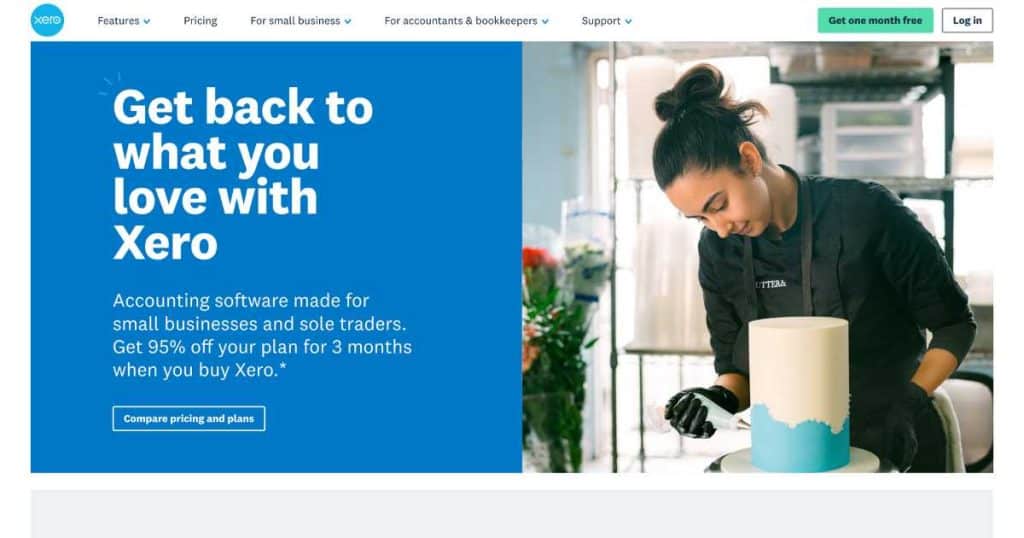
| Xero | $30 | Inventory, Invoicing, Bank Reconciliation |
Choosing cloud-based solutions can also improve accounting software ROI. It reduces upfront costs and offers regular updates. Enterprise accounting software pricing might be higher but includes advanced features.
On-premises Software
On-premises accounting software price is typically higher than cloud-based solutions. These systems require a one-time purchase and installation. They are suitable for larger businesses with specific needs. Key points include:
- Initial costs range from $500 to $5,000 depending on features.
- Maintenance and updates might incur additional fees.
- Greater control and customization options.
Below is a table comparing some popular on-premises accounting software:
| Software | One-Time Fee | Features |
|---|---|---|
| Sage 50cloud | $600 | Inventory, Payroll, Invoicing |
| Microsoft Dynamics GP | $3,000 | Advanced Financial Management, HR, Sales |
| NetSuite ERP | $5,000 | Comprehensive ERP Features, CRM, eCommerce |
Accounting software features comparison shows on-premises systems are robust. They offer extensive functionality but come with higher costs. Large enterprises often opt for on-premises solutions for better control.
Pricing Models Explained
Accounting software is essential for businesses to manage their finances efficiently. With the advancement in technology, the cost of accounting software has varied significantly. Understanding the pricing models is crucial for making an informed decision. This blog post delves into the different pricing models for accounting software in 2025 and helps you understand how much you might need to invest.
Subscription Vs. One-time Fees
Choosing between a subscription model and one-time fees for accounting software can be challenging. Both have their pros and cons. Subscription-based pricing models usually involve paying a monthly or annual fee. This means you always have access to the latest features and updates.
Some benefits of subscription models include:
- Continuous updates and improvements
- Lower initial cost
- Flexibility to switch plans
However, these software subscription costs can add up over time. For example, if you pay $30 per month, it totals $360 per year.
One-time payment options involve paying a single fee upfront. This can be more cost-effective in the long run. But, you might miss out on updates unless you pay for them separately.
Here is a comparison table:
| Subscription Model | One-Time Payment |
|---|---|
| Lower initial cost | Higher initial cost |
| Continuous updates | Updates may cost extra |
| Flexible plans | Fixed features |
Tiered Pricing Structures
Many accounting software providers use tiered pricing models. These models offer different plans based on features and usage levels. For instance, basic plans might include essential features like expense tracking and invoicing. More advanced plans could offer additional tools such as financial management software and cloud accounting solutions.
Here are some common tiers:
- Basic Plan: Suitable for freelancers and small businesses. Includes essential tools like expense tracking software rates and invoicing.
- Standard Plan: Includes additional features such as payroll management and tax filing. Ideal for growing businesses.
- Premium Plan: Offers comprehensive features including advanced financial analysis and multi-user support. Best for larger businesses.
Small business accounting tools often fall into the basic or standard tiers. The cost of accounting software in 2025 will vary based on the tier you choose. For example, a basic plan might cost $20 per month, while a premium plan could be $100 per month.
Here’s a brief overview:
| Plan Type | Features | Cost (Monthly) |
|---|---|---|
| Basic | Expense tracking, invoicing | $20 |
| Standard | Payroll, tax filing | $50 |
| Premium | Advanced analysis, multi-user | $100 |
Cost Factors To Consider
Choosing the right accounting software is important for businesses. The cost of accounting software in 2025 depends on many factors. Understanding these factors helps in making an informed decision. Let’s explore the key considerations.
Features And Functionality
The features and functionality of accounting software greatly influence its price. Software with advanced features can be more expensive. Here are some common features:
- Invoicing and Billing
- Expense Tracking
- Payroll Management
- Tax Filing
- Financial Reporting
Advanced financial management software may include:
- Inventory Management
- Multi-Currency Support
- Project Accounting
A software features comparison helps in understanding what you need. Some software offers basic features at a lower cost. Others offer premium features at a higher price. Different subscription models also affect pricing:
| Plan | Features | Price |
|---|---|---|
| Basic | Invoicing, Billing, Expense Tracking | $15/month |
| Standard | All Basic Features + Payroll, Tax Filing | $30/month |
| Premium | All Standard Features + Inventory, Multi-Currency | $50/month |
Understanding these options helps in selecting the right small business accounting tools.
User Limits And Scalability
User limits and scalability are crucial factors. Some software limits the number of users. Others offer user scalability options. This affects the accounting software pricing:
- Single User: Cheapest option, ideal for freelancers.
- Multiple Users: Higher cost, suitable for small teams.
- Unlimited Users: Most expensive, for large businesses.
It’s important to consider future growth. As your business grows, you may need more users. Cloud accounting solutions offer flexibility here. They allow easy addition of users. This scalability can impact the cost of accounting software.
Let’s look at some examples:
| Plan | User Limits | Price |
|---|---|---|
| Starter | 1 User | $10/month |
| Team | Up to 5 Users | $25/month |
| Enterprise | Unlimited Users | $75/month |
Reading accounting software reviews can help in understanding the best options. Consider both current needs and future growth. This helps in choosing the right software at the right price.
Comparing Popular Software
Accounting software is essential for businesses. It helps manage finances, track expenses, and prepare reports. But how much will it cost in 2025? This post compares popular software. We will discuss top brands and user reviews. This will help you choose the best financial management software for your needs.
Top Brands In 2025
In 2025, several brands stand out in accounting software. These brands offer various business accounting solutions. They are known for their features and pricing. Here are some top choices:
- QuickBooks: Offers comprehensive tools for small and medium businesses. Subscription fees range from $25 to $150 per month.
- Xero: Known for its cloud accounting software. Pricing starts at $20 per month. Advanced plans go up to $60 per month.
- FreshBooks: Ideal for freelancers and small businesses. Monthly fees range from $15 to $50.
- Wave: Free accounting tools with optional paid features. These include payroll and credit card processing.
- Sage: A robust solution for larger businesses. Costs range from $25 to $200 per month.
These brands offer different features. Some focus on budgeting tools for businesses. Others provide advanced financial management software. Costs vary based on needs and company size. Here is a comparison table for better understanding:
| Brand | Monthly Cost | Best For |
|---|---|---|
| QuickBooks | $25 – $150 | Small to Medium Businesses |
| Xero | $20 – $60 | Cloud Accounting |
| FreshBooks | $15 – $50 | Freelancers |
| Wave | Free | Small Businesses |
| Sage | $25 – $200 | Larger Businesses |
User Reviews And Ratings
Customer feedback is crucial when selecting accounting software. Reviews and ratings help gauge software effectiveness. Here are some insights for 2025:
QuickBooks: Users appreciate its comprehensive features. It has a rating of 4.5 out of 5. Many find it user-friendly but mention high subscription fees.
Xero: Known for excellent customer support. It scores 4.3 out of 5. Users like its integration with other tools. Some feel it lacks advanced budgeting features.
FreshBooks: Ideal for ease of use. It has a rating of 4.4 out of 5. Users love its invoicing tools. However, some find it limited for larger businesses.
Wave: Praised for being free. It scores 4.2 out of 5. Users appreciate its basic features. But some miss advanced functionalities.
Sage: Known for its robust features. It has a rating of 4.3 out of 5. Users find it suitable for larger businesses. Some mention it has a steep learning curve.
These accounting software reviews help understand user satisfaction. They highlight strengths and weaknesses. This makes it easier to choose the right business accounting solutions for 2025.

Credit: www.yahoo.com
Hidden Costs Of Software
Accounting software is essential for businesses. Understanding the costs involved in 2025 is crucial. Many factors can affect the price you pay. It’s not just about the initial purchase. Hidden costs of software can add up quickly. Knowing these costs helps in planning and budgeting effectively.
Implementation Expenses
Implementation expenses are a significant part of accounting software pricing. It’s not just about buying the software. One-time setup costs can be substantial. These costs include:
- Software Installation: Setting up the software on your systems.
- Data Migration: Transferring data from old systems to the new software.
- Training: Teaching staff how to use the new system.
Let’s look at a typical cost breakdown in a table:
| Expense Type | Estimated Cost |
|---|---|
| Software Installation | $500 – $2,000 |
| Data Migration | $1,000 – $5,000 |
| Training | $500 – $3,000 |
Software implementation costs can vary. The complexity of your system affects these costs. Cloud accounting solutions might have different pricing models. It’s crucial to understand all these factors.
Ongoing Maintenance Fees
After the initial setup, there are ongoing maintenance fees. These fees ensure your system runs smoothly. They can include:
- Software Subscription Fees: Monthly or yearly charges for using the software.
- Technical Support: Fees for getting help with technical issues.
- Updates and Upgrades: Costs for new features and improvements.
Here’s a summary of typical ongoing costs:
| Fee Type | Estimated Cost |
|---|---|
| Software Subscription Fees | $20 – $100 per month |
| Technical Support | $100 – $500 per year |
| Updates and Upgrades | $200 – $1,000 per year |
Ongoing maintenance fees can be a significant part of your budget. Small business accounting tools may have lower costs. It’s important to compare different financial management software options. Always consider the total cost of ownership.
Free Vs. Paid Options
Understanding the cost of accounting software in 2025 is important. Businesses need to budget for these tools. There are free and paid options available. Each has its own advantages and disadvantages. Knowing which one to choose can save both time and money.
Pros And Cons Of Free Software
Free accounting software offers many advantages. It is cost-effective and accessible for small businesses. Here are some key benefits:
- Zero cost: No upfront investment.
- Basic features: Suitable for simple accounting needs.
- User-friendly: Easy to set up and use.
Despite these benefits, there are also disadvantages of free software:
- Limited features: May not cover all business needs.
- Lack of support: Minimal customer service.
- Security risks: Less robust security measures.
Small business accounting tools often start with free software. As business grows, requirements expand. Upgrading might become necessary.
When To Invest In Paid Solutions
Paid accounting solutions offer more features and better support. It is worth investing when business grows. Here are signs it’s time to upgrade:
- Increased transactions: More data to manage.
- Advanced features needed: Beyond basics.
- Integration with other tools: Seamless operations.
The return on investment for accounting software can be high. Accounting software pricing varies. But the benefits often outweigh the costs. Paid software provides better data security. It also offers comprehensive support. Making it ideal for larger businesses.
Cost of accounting software in 2025 will depend on features and scale. Budgeting for accounting software is crucial. Investing in the right tool can save time and reduce errors. Accounting software comparison helps find the best fit. Evaluate features, support, and cost before deciding.
Future Predictions
Accounting software is an important tool for businesses. It helps to manage finances, track expenses, and generate reports. As we approach 2025, many wonder how much accounting software will cost in the future. This blog will explore future predictions about accounting software costs, expected price changes, and new innovations on the horizon.
Expected Price Changes
Accounting software prices are expected to change in 2025. Several factors could impact these prices.
Cloud-based solutions are becoming more popular. They offer flexibility and easy access. These solutions might cost more due to their benefits.
Here are a few factors influencing the prices:
- Technology advancements: New tech can increase software prices.
- Competition: More options might lead to competitive pricing.
- Subscription models: Monthly fees could become the norm.
Overall, prices may vary depending on the software features. Basic plans could remain affordable. Advanced plans with more features might be higher in cost.
Innovations On The Horizon
New innovations in accounting software are expected. These innovations can impact how businesses operate.
Artificial Intelligence (AI) is one such innovation. AI can automate many tasks. It can help with data analysis and generate accurate reports. This can save time and reduce errors.
Blockchain technology is another innovation. It offers secure and transparent transactions. This can improve trust and reduce fraud. Companies may adopt blockchain for secure financial operations.
Integration with other tools is also expected. Accounting software might integrate with CRM, HR, and other systems. This can provide a seamless experience and better data management.
These innovations could change how accounting software is used. Businesses may need to adapt to these new technologies.
Credit: stewartgauld.com
Frequently Asked Questions
How Much Is Accounting Software In 2025?
In 2025, accounting software prices vary widely. Expect to pay between $10 and $150 per month.
What Affects Accounting Software Costs?
Factors affecting costs include features, user licenses, and integrations. More advanced features and users typically increase the price.
Is There Free Accounting Software In 2025?
Yes, there are free options available. However, they may have limited features compared to paid versions.
What Are Popular Accounting Software Options In 2025?
Popular options include QuickBooks, Xero, and FreshBooks. Each offers different pricing plans to fit various business needs.
Conclusion
Finding the right accounting software in 2025 requires careful consideration. Prices vary widely. Basic packages may cost less. Advanced features increase the price. Monthly subscriptions are common. Some offer yearly plans at a discount. Always compare features and costs. Free trials can help you decide.
Understand your business needs. Choose a solution that fits your budget. Proper software improves efficiency. It also helps you stay organized. Make an informed choice for your business success.
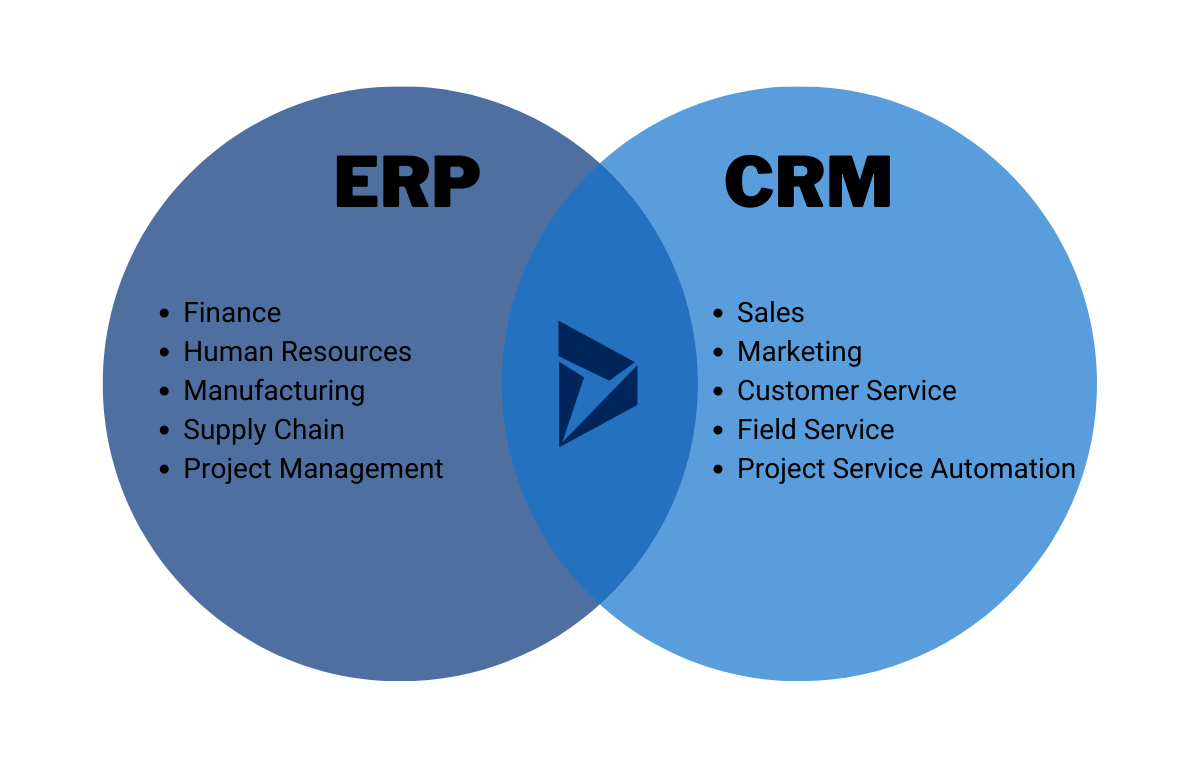
ERP, or Enterprise Resource Planning, integrates internal processes. It covers areas like finance, human resources, and supply chain. CRM, or Customer Relationship Management, focuses on external interactions. It manages customer data, sales, and support. Understanding the difference between ERP and CRM helps businesses choose the right tools.
ERP optimizes internal operations, improving efficiency. CRM enhances customer relationships, boosting sales and satisfaction. Knowing their distinct roles can guide strategic decisions. This blog will explore these differences, helping you understand which software suits your business needs. Stay tuned to learn more about how ERP and CRM can transform your operations and customer interactions.
Erp Vs Crm: Key Concepts
Understanding the difference between ERP and CRM software is crucial for businesses. Both are vital Business Management Systems, yet they serve distinct purposes. ERP (Enterprise Resource Planning) focuses on improving Operational Efficiency by integrating various business processes. CRM (Customer Relationship Management) enhances customer interactions and sales. Knowing their key concepts helps in choosing the right solution for your business needs.
Core Functions Of Erp
ERP software is designed to streamline and automate various business processes. It integrates multiple functions into a single system to enhance efficiency and data consistency. Key functions of ERP include:
- Inventory Management: Tracks stock levels, orders, and deliveries.
- Financial Management: Manages accounting, budgeting, and financial reporting.
- Human Resources: Handles employee records, payroll, and recruitment.
- Supply Chain Management: Oversees procurement, production, and distribution.
ERP systems ensure that all departments work with the same data. This Data Integration helps in making informed decisions. For example, an ERP system can automatically update inventory levels after a sale, ensuring accurate stock management.
Here’s a table summarizing the core functions of ERP:
| Function | Description |
|---|---|
| Inventory Management | Tracks stock levels and orders |
| Financial Management | Handles accounting and financial reporting |
| Human Resources | Manages employee records and payroll |
| Supply Chain Management | Oversees procurement and distribution |
Core Functions Of Crm
CRM software focuses on managing a company’s interactions with current and potential customers. It is designed to improve customer relationships and drive sales growth. Key functions of CRM include:
- Customer Data Management: Stores and organizes customer information.
- Sales Automation: Streamlines sales processes and tracks sales activities.
- Marketing Automation: Manages marketing campaigns and tracks their effectiveness.
- Customer Support: Tracks and resolves customer issues and inquiries.
CRM systems help in understanding customer needs and preferences. This leads to improved customer satisfaction and loyalty. For example, CRM software can automate follow-up emails after a sale, ensuring consistent customer engagement.
Here’s a table summarizing the core functions of CRM:
| Function | Description |
|---|---|
| Customer Data Management | Organizes customer information |
| Sales Automation | Tracks and manages sales activities |
| Marketing Automation | Manages marketing campaigns |
| Customer Support | Resolves customer issues |

Credit: www.zendesk.com
Target Users
Understanding the difference between ERP and CRM software is essential for businesses. One key aspect is the target users. Both systems serve different roles and cater to various needs within an organization. Knowing who uses ERP and CRM can help you decide which system is the right fit for your company.
Who Uses Erp?
Enterprise Resource Planning (ERP) software is used by businesses looking to integrate their various functions into a single system. ERP users typically include:
- Manufacturers: They use ERP to manage production schedules, inventory levels, and supply chain logistics.
- Finance Departments: This team uses ERP for accounting, budgeting, and financial reporting.
- Human Resources: HR departments rely on ERP for payroll, employee records, and benefits administration.
- Project Managers: They use ERP to track project timelines, resources, and costs.
- Procurement Teams: These users manage supplier relationships, purchase orders, and inventory replenishment through ERP.
ERP systems are versatile and cater to various industries. Here’s a simple table showcasing ERP users across different sectors:
| Industry | ERP Users |
|---|---|
| Manufacturing | Production Managers, Supply Chain Managers |
| Finance | Accountants, Financial Analysts |
| Healthcare | Hospital Administrators, Inventory Managers |
| Retail | Store Managers, Inventory Controllers |
ERP systems are ideal for large companies with complex processes. They help in streamlining operations and improving efficiency.
Who Uses Crm?
Customer Relationship Management (CRM) software focuses on managing interactions with customers. CRM users typically include:
- Sales Teams: They use CRM to manage leads, track customer interactions, and close deals.
- Marketing Departments: This team uses CRM to run campaigns, track customer engagement, and measure ROI.
- Customer Service Teams: They use CRM to handle customer inquiries, manage support tickets, and improve customer satisfaction.
- Business Owners: Owners use CRM to get insights into sales performance and customer trends.
- Account Managers: These users manage client relationships, renewals, and upselling opportunities through CRM.
CRM systems are particularly useful for businesses that focus on customer interactions and relationships. Below is a table illustrating CRM users across different sectors:
| Industry | CRM Users |
|---|---|
| Retail | Sales Associates, Customer Service Reps |
| Finance | Financial Advisors, Relationship Managers |
| Healthcare | Patient Coordinators, Support Staff |
| Real Estate | Agents, Brokers |
CRM systems help businesses build and maintain strong customer relationships. They are perfect for companies that prioritize customer satisfaction and engagement.
Integration And Data Flow
Understanding the difference between ERP and CRM software is crucial for businesses. One key area is how they handle integration and data flow. Both systems manage data, but their focus and methods differ. Let’s explore how each system manages data.
Data Management In Erp
ERP, or Enterprise Resource Planning, software integrates various business processes. This integration helps in managing data across departments. ERP systems are designed to handle:
- Finance and accounting
- Human resources
- Manufacturing
- Supply chain management
An ERP system creates a centralized database. This database stores all business data. It ensures all departments work with the same information. This centralization helps in:
- Reducing data redundancy
- Improving data accuracy
- Enhancing data security
For example, when a product is sold, the inventory, sales, and finance departments update simultaneously. This seamless data flow improves efficiency and decision-making. Here is a table showing the typical data points managed by an ERP system:
| Department | Data Managed |
|---|---|
| Finance | Revenue, expenses, budgets |
| HR | Employee records, payroll |
| Manufacturing | Production schedules, inventory |
| Supply Chain | Order processing, supplier data |
Data Management In Crm
CRM, or Customer Relationship Management, software focuses on customer data. CRM systems help manage interactions with current and potential customers. They are primarily used by:
- Sales teams
- Marketing departments
- Customer service teams
CRM systems store detailed customer information. This includes:
- Contact details
- Purchase history
- Customer preferences
These systems track every interaction with a customer. This tracking helps in understanding customer behavior and needs. The data flow in CRM systems is designed to:
- Enhance customer satisfaction
- Improve sales strategies
- Optimize marketing campaigns
For instance, if a customer contacts support, the CRM system updates their profile with the interaction details. This ensures all team members have access to the latest customer information. Here is a table showing the typical data points managed by a CRM system:
| Department | Data Managed |
|---|---|
| Sales | Leads, sales opportunities |
| Marketing | Campaign results, customer segments |
| Customer Service | Support tickets, customer feedback |
Both ERP and CRM systems are essential for managing different types of data. Understanding their integration and data flow helps businesses use these tools effectively.
Credit: www.calsoft.com
Customization And Scalability
ERP and CRM software play key roles in business operations. ERP manages internal processes, while CRM focuses on customer relationships. Understanding the difference helps in choosing the right tool. Customization and scalability are essential aspects to consider. These features ensure the software adapts to business needs and grows with the company.
Tailoring Erp Systems
ERP systems integrate various business functions like finance, HR, and supply chain. Customization allows these systems to meet specific business needs. This adaptability is crucial for efficiency. Here are some ways ERP systems can be tailored:
- Module Selection: Businesses can choose specific modules like finance, HR, or inventory management.
- Workflow Customization: Adjust workflows to match unique business processes.
- Reporting and Analytics: Create custom reports and dashboards for better insights.
- Integration: ERP systems can integrate with other software, enhancing functionality.
Scalability in ERP systems is vital as businesses grow. A scalable ERP can handle increased data and users without performance issues. Key features of scalable ERP systems include:
| Feature | Benefit |
|---|---|
| Cloud-Based Solutions | Easy to scale resources as needed. |
| Modular Design | Add or remove modules based on business growth. |
| High Performance | Handle large volumes of data efficiently. |
Tailoring Crm Systems
CRM systems focus on managing customer relationships and interactions. Customizing CRM software helps businesses better serve their customers. Here are some customization options for CRM systems:
- Contact Management: Customize fields to store relevant customer information.
- Sales Process: Tailor the sales pipeline to fit the sales strategy.
- Email Templates: Create custom email templates for various customer interactions.
- Automated Workflows: Set up workflows for tasks like follow-ups and lead scoring.
Scalability is equally important for CRM systems. As the customer base grows, the CRM should handle the increased load. Key features of scalable CRM systems include:
| Feature | Benefit |
|---|---|
| Cloud-Based Solutions | Flexible and scalable storage options. |
| Customizable Dashboards | Adapt dashboards to display crucial metrics. |
| Advanced Analytics | Handle large datasets for better insights. |
Both ERP and CRM systems offer customization and scalability. These features help businesses adapt and grow effectively. Choosing the right system depends on specific business needs and future growth plans.
Cost And Investment
Understanding the cost and investment involved in ERP and CRM software is crucial for businesses. Both types of software offer distinct functionalities, and their costs reflect these differences. Knowing the financial commitment required for each can help in making an informed decision.
Erp Implementation Costs
ERP (Enterprise Resource Planning) software integrates various business processes. This integration comes with significant investment. The costs vary based on the size of the company, the complexity of the processes, and the chosen ERP system. Here are the main factors affecting ERP implementation costs:
- Software License Fees: These are the initial costs for purchasing the ERP software. They can range from a few thousand to several hundred thousand dollars.
- Customization: Tailoring the ERP system to fit specific business needs can be expensive. This includes modifying the software and developing new features.
- Implementation Services: This covers the cost of consultants and specialists needed to install and configure the system. It also includes data migration and system integration.
- Training: Training employees to use the new ERP system is essential. Costs depend on the number of users and the complexity of the system.
- Maintenance and Support: Ongoing costs include updates, technical support, and system maintenance.
To provide a clearer picture, here is a table summarizing the typical ERP implementation costs:
| Cost Component | Estimated Cost Range |
|---|---|
| Software License Fees | $10,000 – $500,000 |
| Customization | $5,000 – $100,000 |
| Implementation Services | $20,000 – $250,000 |
| Training | $1,000 – $50,000 |
| Maintenance and Support | $5,000 – $50,000 annually |
Crm Implementation Costs
CRM (Customer Relationship Management) software focuses on managing customer interactions and improving sales. CRM systems are generally less expensive than ERP systems due to their narrower focus. Here are the key factors influencing CRM implementation costs:
- Subscription Fees: Most CRM software is subscription-based. Costs vary depending on the number of users and the features included.
- Customization: Adjusting the CRM to align with specific business processes may incur additional costs.
- Integration: Integrating CRM with existing systems like email, social media, and other tools can affect costs.
- Training: Ensuring employees are proficient in using the CRM system is vital. Training costs depend on the complexity of the system.
- Maintenance and Support: Ongoing support and updates are necessary to keep the CRM system running smoothly.
Here is a table summarizing the typical CRM implementation costs:
| Cost Component | Estimated Cost Range |
|---|---|
| Subscription Fees | $12 – $100 per user/month |
| Customization | $1,000 – $10,000 |
| Integration | $1,000 – $5,000 |
| Training | $500 – $5,000 |
| Maintenance and Support | $1,000 – $10,000 annually |
Deployment Models
Understanding the difference between ERP and CRM software is crucial for businesses looking to optimize their operations and customer relationships. One important aspect to consider is the deployment model of each system. Deployment models determine how the software is installed and accessed, impacting costs, flexibility, and maintenance. Let’s explore the deployment models of ERP and CRM software.
On-premises Erp
On-premises ERP (Enterprise Resource Planning) systems are installed directly on a company’s servers and computers. This deployment model gives businesses complete control over their software and data. Here are some key points to consider:
- Control and Customization: Companies can tailor the system to their specific needs.
- Security: Data is stored on-site, providing higher security for sensitive information.
- Initial Investment: Higher upfront costs due to hardware, software licenses, and installation.
- Maintenance: Requires IT staff for ongoing maintenance and updates.
- Scalability: Scaling may require additional hardware and resources.
On-premises ERP systems are ideal for businesses that need customized solutions and have the resources to manage and secure their systems. While the initial investment is significant, the long-term control and security benefits can be substantial.
Cloud-based Crm
Cloud-based CRM (Customer Relationship Management) systems are hosted online and accessed through a web browser. This deployment model offers several advantages:
- Accessibility: Accessible from any location with an internet connection.
- Cost-Effective: Lower upfront costs with subscription-based pricing models.
- Maintenance: Vendor handles updates and maintenance, reducing the need for in-house IT staff.
- Scalability: Easily scalable to accommodate business growth without additional hardware.
- Integration: Often integrates seamlessly with other cloud-based applications.
Cloud-based CRM systems are suitable for businesses looking for flexibility and cost savings. The ability to access the system from anywhere and the reduced need for IT maintenance make cloud-based CRM a popular choice for many companies.
User Experience
Understanding the difference between ERP and CRM software is crucial for businesses aiming for operational efficiency. Both systems improve business management but in different ways. The user experience of these systems plays a significant role in how effectively they can be utilized. Let’s delve into the user interface of ERP and CRM systems to understand their unique aspects.
Erp User Interface
ERP systems, or Enterprise Resource Planning software, are designed to manage various business processes. The user interface of ERP systems can be complex due to the vast range of functionalities they offer.
Key Features of ERP User Interface:
- Comprehensive Dashboards: ERP systems provide dashboards that give an overview of key performance indicators (KPIs) and metrics.
- Modular Design: Different modules for finance, HR, supply chain, and more are integrated into one interface.
- Customizable Layouts: Users can often customize their dashboards to show the most relevant data.
- Data Management: Extensive data entry forms and reports are available for detailed data management.
ERP user interfaces are generally more robust and may have a steeper learning curve. They are designed for in-depth business management, requiring users to navigate through various modules and screens. This complexity can be daunting for new users but is necessary for comprehensive operational control.
Example Table:
| Feature | Description |
|---|---|
| Dashboard | Shows KPIs and metrics |
| Modular Design | Includes modules for different business functions |
| Customizable Layout | Personalized views and reports |
| Data Management | Detailed forms and reports |
Crm User Interface
CRM systems, or Customer Relationship Management software, focus on sales automation and managing customer interactions. The user interface of CRM systems is designed to be more user-friendly and intuitive.
Key Features of CRM User Interface:
- Intuitive Dashboards: CRMs offer dashboards that highlight sales pipelines, customer interactions, and performance metrics.
- Simple Navigation: The interface is typically more straightforward, with easy access to customer data and sales tools.
- Sales Automation: Tools for automating sales tasks are prominently featured.
- Customer Insights: Visual representations of customer data and relationships help in understanding customer needs.
CRM user interfaces are designed to be simple and easy to navigate. They focus on enhancing the user experience by providing quick access to customer information and sales tools. This simplicity helps sales teams to be more efficient and effective in their roles.
Example Table:
| Feature | Description |
|---|---|
| Dashboard | Highlights sales pipelines and metrics |
| Simple Navigation | Easy access to customer data |
| Sales Automation | Automates sales tasks |
| Customer Insights | Visual customer data |
Future Trends
Enterprise Resource Planning (ERP) and Customer Relationship Management (CRM) software have distinct roles in business operations. ERP focuses on integrating various business processes, while CRM aims to enhance customer interactions. Let’s explore the future trends in these systems to understand their evolving landscapes.
Innovations In Erp
ERP systems are continuously evolving to meet the dynamic needs of businesses. Here are some key innovations shaping the future of ERP:
- Artificial Intelligence (AI) Integration: AI is enhancing ERP systems by providing predictive analytics and automating routine tasks. This helps in better decision-making and efficiency.
- Cloud-Based Solutions: Cloud ERP is becoming more popular due to its flexibility, scalability, and cost-effectiveness. Businesses can access data from anywhere, making operations more seamless.
- Internet of Things (IoT): IoT integration with ERP allows real-time data collection from various devices. This leads to improved inventory management and operational efficiency.
- Enhanced User Experience: Modern ERP systems focus on user-friendly interfaces. This reduces the learning curve and improves user adoption rates.
| Innovation | Benefits |
|---|---|
| AI Integration | Predictive analytics, task automation |
| Cloud-Based Solutions | Flexibility, scalability, cost savings |
| IoT Integration | Real-time data collection, better inventory management |
| Enhanced User Experience | Improved user adoption, reduced learning curve |
Innovations In Crm
CRM software is also seeing significant advancements. These innovations aim to enhance customer relationships and streamline sales processes:
- AI and Machine Learning (ML): AI and ML are transforming CRM by offering personalized customer experiences. They analyze customer data to predict behavior and preferences.
- Omnichannel Integration: Modern CRMs integrate various communication channels. This provides a unified view of customer interactions, improving customer service.
- Mobile CRM: Mobile-friendly CRM applications allow sales teams to access customer information on the go. This increases productivity and responsiveness.
- Social Media Integration: CRMs now incorporate social media data. This helps in tracking customer sentiments and engaging with them effectively.
| Innovation | Benefits |
|---|---|
| AI and ML | Personalized experiences, behavior prediction |
| Omnichannel Integration | Unified customer view, better service |
| Mobile CRM | Increased productivity, on-the-go access |
| Social Media Integration | Track sentiments, effective engagement |

Credit: www.customerization.ca
Frequently Asked Questions
What Is Erp Software?
ERP software stands for Enterprise Resource Planning. It integrates various business processes into one system. It enhances efficiency by automating operations like inventory, finance, and HR.
What Is Crm Software?
CRM software stands for Customer Relationship Management. It focuses on managing and improving customer interactions. It helps businesses nurture leads, streamline communication, and enhance customer service.
How Does Erp Differ From Crm?
ERP manages internal business processes, while CRM focuses on customer interactions. ERP integrates various departments, and CRM improves sales and customer relationships.
Can Erp And Crm Be Integrated?
Yes, ERP and CRM can be integrated. Integration helps streamline business operations and enhance customer management, improving overall efficiency.
Conclusion
ERP and CRM software serve different business needs. ERP focuses on internal processes. CRM targets customer relationships. Both systems can work together for better efficiency. Understand your business requirements. Choose the right software for your goals. This will lead to smoother operations.
And happier customers. Implementing the right system boosts productivity. It also improves overall growth. So, take the time to explore your options. The right choice can make a big difference.
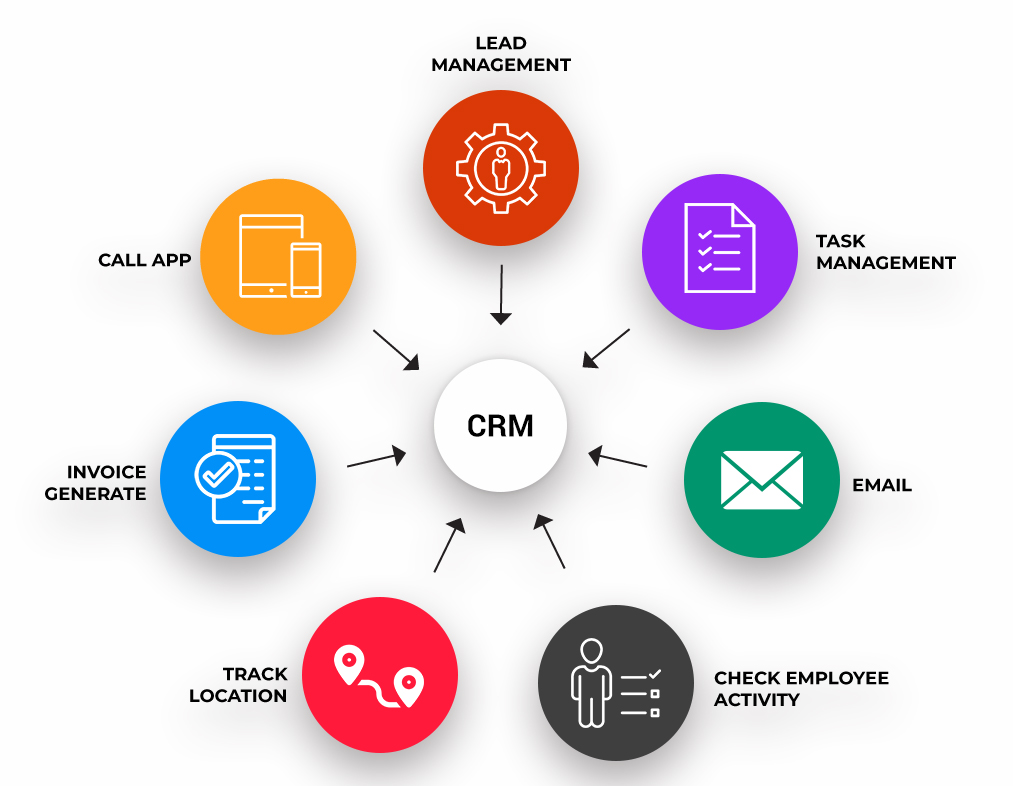
]]>In today’s digital age, customer data is gold. Knowing how a CRM system collects this data is crucial for any business. CRMs use methods like form submissions, social media interactions, and purchase histories. They also track website visits and email responses.
This collection process helps companies understand their customers better. It leads to more personalized marketing and improved customer service. With the right data, businesses can make informed decisions. This introduction will guide you through the data collection methods used by CRM systems. Understanding these methods can enhance your business strategies. Stay tuned to learn more!
Crm System Basics
Customer Relationship Management (CRM) systems are essential tools for businesses. They help manage interactions with customers. CRM systems collect data to improve customer relations and sales. This blog explores the basics of CRM and its key features.
What Is A Crm?
A Customer Relationship Management (CRM) system is software. It helps businesses manage their customer interactions. The system stores data about customers. This includes contact information, purchase history, and preferences.
CRM systems are used to improve customer service. They help in tracking customer interactions. This leads to better customer satisfaction. Businesses use CRM to understand their customers better. This knowledge helps in making informed decisions.
- Contact Management: Stores customer information.
- Sales Management: Tracks sales and opportunities.
- Customer Support: Manages service requests.
CRM systems can be cloud-based or on-premise. Cloud-based CRMs are accessible from anywhere. On-premise CRMs are hosted on company servers. Both types have their pros and cons.
Key Features Of Crm
CRM systems come with various features. These features help businesses manage their customer interactions efficiently. Contact management is a primary feature. It stores customer information in a central database. This helps in easy access and management.
Sales management is another key feature. It helps track sales activities. This includes tracking leads and opportunities. It also helps in forecasting sales and setting targets. Customer support features help manage service requests. This ensures timely resolution of customer issues.
| Feature | Description |
|---|---|
| Contact Management | Stores and organizes customer information |
| Sales Management | Tracks sales activities and opportunities |
| Customer Support | Manages customer service requests |
Automation is a significant feature of CRM systems. It helps automate repetitive tasks. This includes sending follow-up emails and updating records. Automation saves time and reduces errors.
Analytics is another important feature. CRM systems provide insights into customer data. This helps in making better business decisions. Analytics features include reporting and data visualization. These tools help in understanding trends and patterns.
Data Sources
Customer Relationship Management (CRM) systems are essential tools for businesses. They help manage and analyze customer interactions. Data collection is a key aspect of CRM systems. Understanding where this data comes from is crucial. There are two primary sources: internal and external. This blog post explores these data sources in detail.
Internal Data
Internal data refers to information generated within the organization. This includes data from various departments and processes. Internal data sources provide valuable insights into customer behavior. These insights help in Lead Management and improving services.
Key internal data sources include:
- Sales records
- Customer service interactions
- Marketing campaigns
- Website analytics
- Product usage data
Sales records help track the Sales Pipeline and measure performance. Customer service interactions reveal common issues and customer satisfaction levels. Marketing campaigns data shows which strategies are effective. Website analytics provide data on User Engagement Tracking. Product usage data helps understand how customers use products.
All these data points are integrated into the CRM system. This process is known as Data Integration. It helps create a comprehensive view of customers. This Crm Data Collection method is essential for generating Customer Insights. Internal data is reliable and specific to the business. It forms the backbone of any effective CRM system.
External Data
External data sources provide information from outside the organization. These sources add context to internal data. They offer a broader perspective on customer behavior and market trends. This data is vital for competitive analysis and market research.
Key external data sources include:
- Social media platforms
- Public databases
- Third-party data providers
- Industry reports
- Customer reviews and feedback
Social media platforms are rich in customer opinions and trends. Public databases offer demographic and economic data. Third-party data providers supply targeted customer information. Industry reports provide insights into market conditions. Customer reviews and feedback are direct sources of customer sentiment.
Integrating external data with internal data enhances the CRM system. This approach enriches Customer Relationship Management strategies. It helps businesses stay competitive and responsive to market changes. External data adds depth to Data Analytics. It ensures a well-rounded view of the customer landscape.
Data Entry Methods
Customer Relationship Management (CRM) systems are essential for businesses. They help manage interactions with customers. Data collection is a big part of CRM systems. Understanding how they collect data is important. This blog post discusses two main methods: manual input and automated capture.
Manual Input
Manual input involves entering data by hand. This method is used for detailed information. It is useful when data is unique or specific. Here are some ways manual input is done:
- Forms: Filling out customer forms.
- Surveys: Collecting feedback through surveys.
- Notes: Writing notes after phone calls or meetings.
Manual input allows for more control over the data. It ensures that the information is accurate. But it can be time-consuming. Employees need to spend time entering data. Mistakes can happen if the data is not entered carefully. Despite its drawbacks, manual input remains a reliable method for collecting data.
Automated Capture
Automated capture uses technology to collect data. It saves time and reduces errors. Here are some examples of automated capture:
- Website Tracking: Collecting data from website visits.
- Email Integration: Capturing information from email exchanges.
- Social Media: Gathering data from social media interactions.
Automated capture is efficient. It can handle large amounts of data quickly. This method also ensures that data is updated regularly. There is less risk of human error. Automation makes it easier to get real-time insights. Businesses can make better decisions faster. Overall, automated capture is a valuable tool for CRM systems.

Credit: www.culturehive.co.uk
Integration With Other Tools
Customer Relationship Management (CRM) systems are essential for businesses to manage their interactions with customers. These systems gather and analyze customer data to improve business relationships and drive sales growth. One of the key ways CRMs collect data is through integration with other tools. This allows for seamless data flow and better customer insights.
Email Integration
Email integration is one of the most effective ways to collect customer data using a CRM system. By connecting your email platform with your CRM, you can automatically track and record email interactions with customers. This integration helps in capturing important data points such as email open rates, click-through rates, and response times.
Here are some benefits of email integration in CRM systems:
- Automated tracking of email communications.
- Better understanding of customer preferences.
- Improved customer segmentation and targeting.
Email integration also allows for personalized email campaigns. By analyzing the data collected, businesses can send targeted emails that are more likely to engage customers. This leads to higher conversion rates and improved customer satisfaction.
Another advantage is the ability to sync contact information. When a new contact is added to your email platform, it is automatically updated in your CRM. This ensures that your customer database is always up-to-date and accurate.
Social Media Integration
Social media integration is another powerful method for collecting customer data. By connecting your social media accounts with your CRM, you can gather valuable insights into customer behavior and preferences. Social media platforms such as Facebook, Twitter, and LinkedIn provide a wealth of information that can be used to enhance your CRM data.
Benefits of social media integration include:
- Tracking customer interactions on social media.
- Identifying customer sentiment and feedback.
- Enhancing customer profiles with social data.
Social media integration helps businesses monitor brand mentions and respond to customer inquiries in real-time. This improves customer service and builds stronger relationships. Additionally, businesses can use social media data to segment their audience based on interests, demographics, and behavior.
By combining social media data with other CRM data, businesses can create a more comprehensive view of their customers. This enables more effective marketing strategies and better decision-making.
Data Collection Techniques
Customer Relationship Management (CRM) systems are essential for businesses to understand their customers. One of the most important functions of a CRM system is data collection. It helps in capturing valuable customer insights, which are crucial for improving services and products. Various data collection techniques are employed by CRM systems to gather and analyze this information.
Surveys And Forms
Surveys and forms are popular data collection methods. They help in gathering customer feedback directly. This information is vital for businesses to understand customer needs and preferences.
Surveys can be conducted through emails, websites, or social media platforms. They usually consist of multiple-choice questions, rating scales, and open-ended questions. Forms are used during sign-ups or purchases to capture user data.
- Customer Feedback: Helps in understanding customer satisfaction.
- Lead Generation: Collects information about potential customers.
- Interaction Tracking: Monitors customer interactions with the business.
Surveys and forms can be integrated with CRM systems to automatically store and analyze data. This makes it easier to manage and retrieve information when needed.
| Technique | Purpose |
|---|---|
| Surveys | Gather customer feedback and satisfaction levels. |
| Forms | Collect user data during sign-ups and purchases. |
Web Tracking
Web tracking involves monitoring user activities on websites. This method helps in understanding user behavior and preferences. It is a crucial part of CRM data collection.
Web Analytics tools are used for tracking user interactions on websites. These tools collect data such as page views, clicks, and time spent on pages. This data provides insights into user interests and engagement levels.
- User Data Capture: Records information about user activities.
- Interaction Tracking: Monitors how users interact with web content.
- Customer Insights: Helps in understanding user preferences.
Web tracking data is stored in the CRM system for further analysis. This data can be used to improve website design and content. It also helps in personalizing user experiences.
| Tool | Purpose |
|---|---|
| Web Analytics | Track user interactions and activities. |
| Data Analysis Tools | Analyze collected data for customer insights. |
Data Storage
Customer Relationship Management (CRM) systems help businesses collect and manage customer data. This data storage is vital for understanding customer needs and improving services. CRM systems use different methods to store this data. Two common methods are cloud storage and on-premise solutions.
Cloud Storage
Cloud storage stores data on remote servers accessed via the internet. This method offers several benefits:
- Flexibility: Access data from anywhere with an internet connection.
- Scalability: Easily increase storage capacity as needed.
- Cost-Effective: Reduce costs associated with physical storage.
Cloud storage is also secure. Service providers use encryption and regular security updates to protect data. Businesses don’t need to worry about maintaining physical servers. This allows them to focus on core activities.
Here is a comparison of some popular cloud storage providers:
| Provider | Storage Capacity | Cost |
|---|---|---|
| Google Drive | 15 GB Free | $1.99/month for 100 GB |
| Dropbox | 2 GB Free | $9.99/month for 2 TB |
| OneDrive | 5 GB Free | $1.99/month for 100 GB |
On-premise Solutions
On-premise solutions store data on local servers within the business premises. This method offers complete control over data and security. Businesses can customize the infrastructure to meet specific needs. However, this requires a significant investment in hardware and maintenance.
Some key benefits of on-premise solutions include:
- Data Control: Full control over data storage and access.
- Customization: Tailor the system to specific business requirements.
- Security: Higher security for sensitive data.
On-premise solutions are suitable for businesses with strict data regulations. They ensure data does not leave the premises. This is important for industries like healthcare and finance. Here is a comparison of common on-premise CRM software:
| Software | Features | Cost |
|---|---|---|
| Microsoft Dynamics | Customizable, Integration with other MS tools | Starts at $95/user/month |
| Salesforce | Comprehensive CRM features, AI integration | Starts at $150/user/month |
| SAP CRM | Advanced analytics, Scalable | Varies based on customization |
Data Privacy And Security
CRM systems help businesses manage customer interactions. These systems collect and store data. This data can include customer preferences, purchase history, and contact details. It’s vital to understand how this data is collected and kept secure. Data privacy and security are top priorities. They ensure that customer information is protected from unauthorized access.
Compliance Regulations
Various laws protect customer data. CRM systems must follow these laws. This ensures data is collected ethically and legally. Compliance with regulations like GDPR, CCPA, and HIPAA is essential. These laws set strict standards for data privacy.
Key compliance regulations include:
- GDPR: General Data Protection Regulation in Europe
- CCPA: California Consumer Privacy Act in the USA
- HIPAA: Health Insurance Portability and Accountability Act in the USA
Each regulation has its own rules:
| Regulation | Key Requirements |
|---|---|
| GDPR | Consent for data collection, right to access data, right to be forgotten |
| CCPA | Right to know, right to delete, right to opt-out of sale |
| HIPAA | Protects patient health information, requires security measures |
Businesses must stay updated with changes in these regulations. Failing to comply can result in heavy fines and damage to reputation.
Data Protection Measures
Protecting customer data is crucial. CRM systems use various methods to ensure data security. These measures help prevent unauthorized access and data breaches.
Key data protection measures include:
- Encryption: Converts data into a secure code
- Access Controls: Limits who can view or edit data
- Regular Audits: Checks for vulnerabilities and compliance
- Data Backups: Creates copies of data to prevent loss
Encryption is one of the most effective methods. It ensures that even if data is intercepted, it cannot be read without the encryption key. Access controls are also vital. They ensure that only authorized personnel can access certain data.
Regular audits help identify and fix security gaps. Data backups ensure that data is not lost in case of system failure or attack. Implementing these measures helps maintain trust and protects both the business and its customers.
Credit: decode.agency
Analyzing Collected Data
Customer Relationship Management (CRM) systems are essential for businesses. They help in collecting valuable data about customers. This data aids in understanding customer needs and improving services. Analyzing collected data is crucial. It enhances decision-making and boosts customer satisfaction.
Reporting Tools
Reporting tools in a CRM system play a vital role. They transform raw data into useful insights. These tools offer a variety of features. Here are some key aspects:
- Automated Reporting: Saves time by generating reports automatically.
- Data Integration: Combines data from various sources for a comprehensive view.
- Crm Analytics: Provides detailed analysis of customer interactions.
Reporting tools also support Sales Tracking and Lead Management. They help in monitoring sales performance and managing leads efficiently. Here’s a table showing some popular reporting tools:
| Tool | Features |
|---|---|
| Business Intelligence Tools | Advanced data analysis and visualization |
| Customer Data Platform | Centralized customer data management |
Data Visualization
Data visualization is another key component. It helps in presenting data in an understandable format. Visual tools convert complex data into charts and graphs. This makes it easier to grasp insights quickly.
Effective data visualization tools offer several benefits:
- User Engagement Metrics: Tracks how customers interact with your business.
- Data Collection Methods: Visualizes data collected from various methods.
Good data visualization improves decision-making. It allows businesses to spot trends and patterns easily. Here are some common types of visualizations used in CRM systems:
| Type | Purpose |
|---|---|
| Bar Charts | Comparing different categories |
| Line Graphs | Showing trends over time |
| Pie Charts | Displaying proportions |
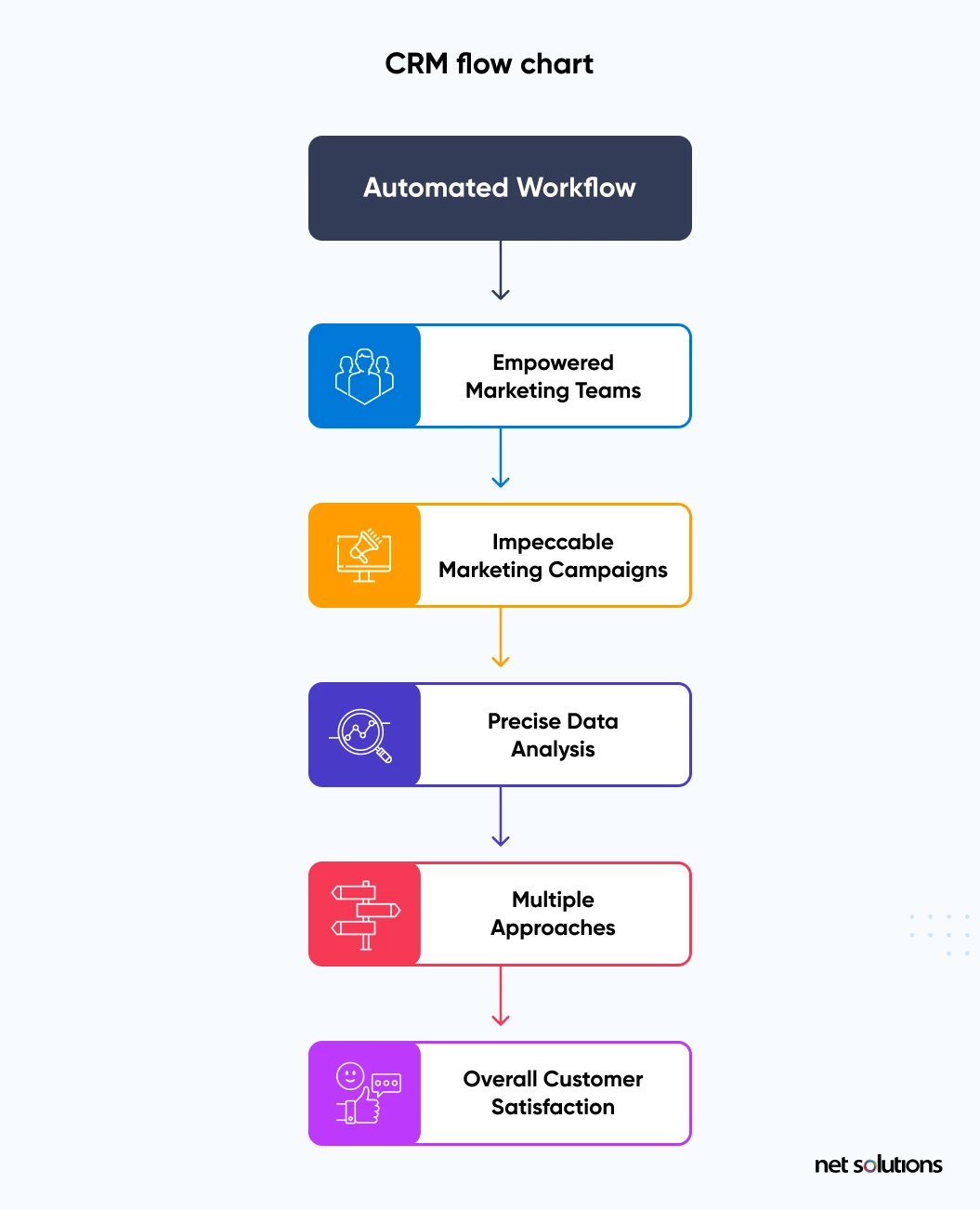
Credit: www.netsolutions.com
Frequently Asked Questions
How Does A Crm System Gather Data?
A CRM system gathers data through customer interactions, website forms, social media, email campaigns, and purchase history. It consolidates this data into a centralized database for analysis.
What Types Of Data Do Crm Systems Collect?
CRM systems collect contact information, purchase history, customer preferences, interaction details, and feedback. This helps in creating personalized marketing strategies and improving customer service.
How Do Crm Systems Use Social Media Data?
CRM systems use social media data to monitor customer sentiment, track engagement, and identify potential leads. This data helps businesses understand customer behavior and preferences.
How Secure Is Data In Crm Systems?
Data in CRM systems is highly secure with encryption, user authentication, and regular security updates. This ensures customer information is protected from unauthorized access.
Conclusion
A CRM system collects data from multiple sources. It tracks customer interactions. These include emails, calls, and social media messages. The system also gathers data from website visits and online forms. This information helps businesses understand customer behavior. They can then improve their services and products.
Using a CRM system, companies can build better customer relationships. It leads to higher satisfaction and loyalty. So, investing in a CRM system benefits your business. It provides valuable insights and helps you grow.
Read more: 5 Best CRM Software in 2025
]]>In today’s fast-paced market, businesses need tools to stay competitive. CRM software is one such tool that can make a difference. It organizes customer information, tracks interactions, and streamlines processes. This results in better customer service and higher satisfaction. Knowing how to use CRM software can transform your business operations.
Whether you’re a small business or a large corporation, the right CRM system can improve productivity and profits. This guide will walk you through the essentials of using CRM software in your business. Get ready to explore its features and maximize its benefits.
Choosing The Right Crm
CRM software helps businesses manage customer relationships. It collects data, tracks interactions, and improves customer engagement. Choosing the right CRM is important for any business. It ensures that you get the most out of your CRM tools for small business. This guide will help you understand the types and key features of CRM software.
Types Of Crm
There are different types of CRM software. Each type serves a specific purpose and offers unique benefits. Here are the three main types:
- Operational CRM: This type focuses on marketing automation tools, sales tracking software, and customer service. It helps manage day-to-day operations and improves efficiency.
- Analytical CRM: This type analyzes customer data. It helps businesses understand customer behavior and make informed decisions. It is essential for customer data management.
- Collaborative CRM: This type improves communication within a business. It ensures that all departments have access to customer information. It helps in providing a seamless customer experience.
Choosing the right type depends on your business needs. For example, a small business may benefit from operational CRM. It helps streamline processes and improve customer engagement.
Key Features To Look For
When selecting a CRM, there are key features to consider. These features ensure that the CRM meets your business requirements. Here are some important features to look for:
- Contact Management: This feature helps store and manage customer information. It is essential for customer relationship management.
- Sales Automation: This feature automates the sales process. It helps track sales activities and improves efficiency.
- Marketing Automation: This feature automates marketing tasks. It helps in managing campaigns and analyzing results.
- Customer Support: This feature helps manage customer inquiries and issues. It improves customer satisfaction.
- Reporting and Analytics: This feature provides insights into business performance. It helps in making data-driven decisions.
A good CRM implementation guide can help you understand these features better. Comparing CRM software benefits and features can help you choose the best one. Remember to consider your business needs and budget.
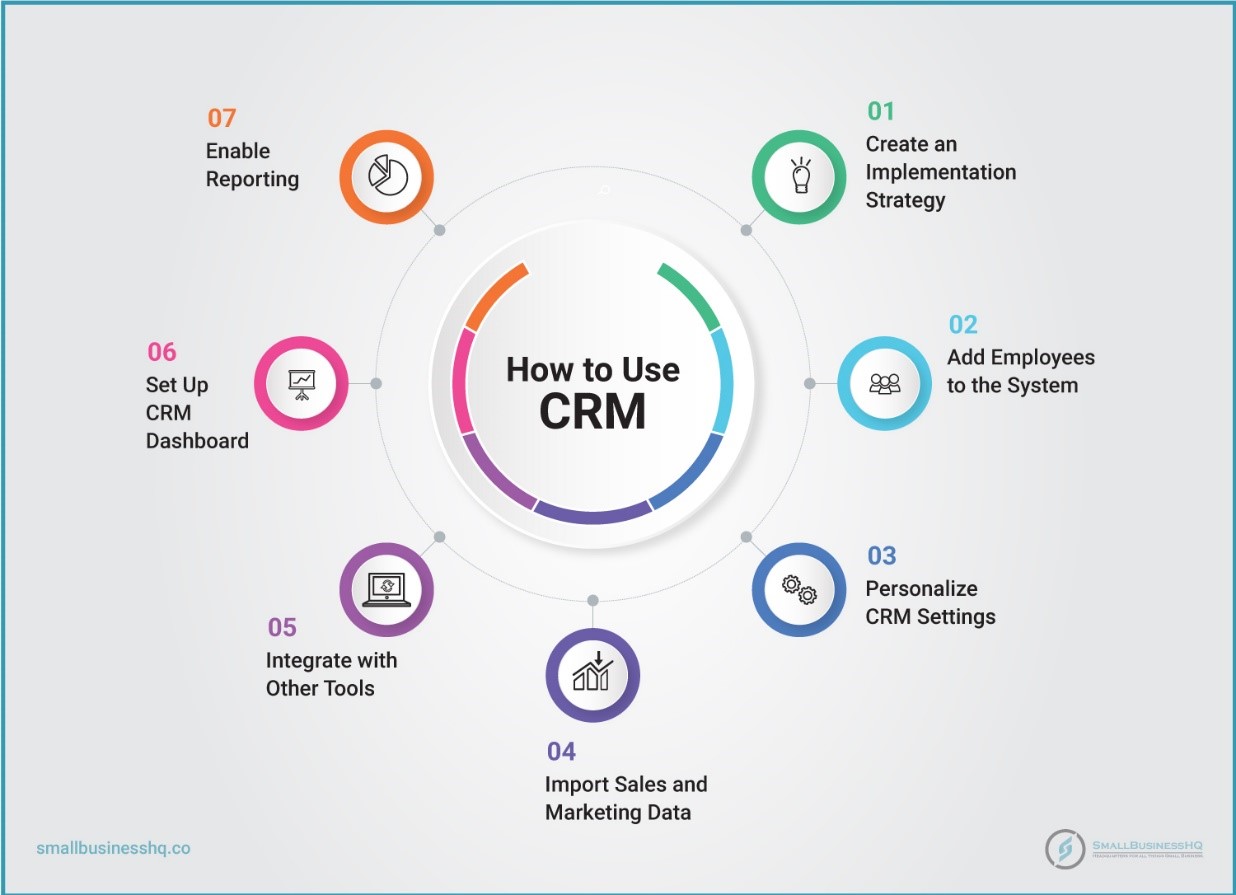
Credit: smallbusinesshq.co
Setting Up Crm
CRM software is an essential tool for businesses today. It helps manage customer relationships and streamline operations. Setting up CRM can be a daunting task, but with the right steps, it becomes easier. Let’s explore how to set up CRM software in your business.
Installation Process
Setting up CRM software starts with the installation process. First, choose the right CRM software for your business needs. Popular options include Salesforce, HubSpot, and Zoho CRM.
Follow these steps for installation:
- Download the CRM software from the official website.
- Run the installation file on your computer.
- Follow the on-screen instructions to complete the setup.
Most CRM software offers cloud-based solutions. This means you don’t need to install anything on your local machine. Instead, you access the software through a web browser.
Ensure that all required permissions are granted during installation. This includes access to your contacts, calendar, and email. Proper permissions ensure seamless integration with other tools.
After installation, create user accounts for your team members. Assign roles and permissions according to their responsibilities. This helps maintain data security and efficient workflow.
Here is a summary of the installation steps:
| Step | Description |
|---|---|
| Download | Get the software from the official site. |
| Install | Run the setup file and follow instructions. |
| Permissions | Grant access to necessary data and tools. |
| User Accounts | Create accounts and assign roles. |
Data Migration Strategies
Data migration is a crucial part of setting up CRM software. This process involves transferring your existing data into the new CRM system. Proper planning can make data migration smooth and error-free.
Start with a data audit. Identify the data you need to migrate. This includes customer information, sales records, and communication history. Clean up the data to remove duplicates and outdated information.
Next, decide on the migration method. There are two main strategies:
- Manual Data Entry
- Automated Data Migration
Manual data entry is time-consuming but offers better control. It is suitable for small datasets. Automated data migration uses tools to transfer data quickly. This method is ideal for large datasets.
Most CRM software provides built-in migration tools. These tools help map your existing data fields to the new CRM system. Ensure that all fields are correctly mapped to avoid data loss.
Test the migration process with a small dataset first. This helps identify any potential issues. Once successful, proceed with the full data migration.
Here is a summary of data migration steps:
| Step | Description |
|---|---|
| Data Audit | Identify and clean up data to be migrated. |
| Choose Method | Select manual or automated migration. |
| Mapping Fields | Map existing data fields to the new system. |
| Test Migration | Test with a small dataset before full migration. |
Customizing Crm
CRM software is important for businesses. It helps manage customer data and improve relationships. Customizing CRM can make it more effective. Tailoring the user interface and integrating with other tools are key steps. These steps can improve user experience and productivity.
Tailoring User Interface
Customizing the user interface (UI) makes the CRM easier to use. Different users have different needs. A sales team might need quick access to contact information. A marketing team might focus on campaign data. Customizing the UI can help each team work better.
Here are some ways to tailor the UI:
- Change the layout to show important information first.
- Use colors to highlight key data.
- Add shortcuts for frequent tasks.
- Remove features that are not needed.
For example, a sales dashboard can show:
| Data | Description |
|---|---|
| Contact List | Quick access to all customer contacts. |
| Sales Pipeline | Visual representation of sales stages. |
| Recent Activities | Log of recent customer interactions. |
Tailoring the UI makes the CRM more user-friendly. This can lead to better efficiency and higher user satisfaction.
Integrating With Other Tools
Integrating CRM with other tools enhances its functionality. It can connect with email, calendars, and social media platforms. This can streamline workflows and save time.
Some common integrations include:
- Email integration for tracking communications.
- Calendar integration for scheduling meetings.
- Social media integration for tracking customer interactions.
- Accounting software integration for managing invoices.
Here is how integration can help:
| Tool | Benefit |
|---|---|
| Tracks all customer emails in one place. | |
| Calendar | Schedules and reminds about meetings. |
| Social Media | Monitors customer comments and messages. |
| Accounting | Handles billing and payments efficiently. |
Integrating CRM with other tools makes data management easier. It can also improve team collaboration and efficiency.
Data Management
Managing customer relationships is key for any business. Using CRM software helps with this task. It keeps track of customer data and interactions. This blog post will look at how to use CRM software for data management.
Collecting Customer Data
CRM software helps in gathering customer information. It stores details like names, emails, and phone numbers. This data is crucial for business operations. You can collect data in several ways:
- Web Forms: Customers fill out forms on your website.
- Surveys: Get information through email or website surveys.
- Social Media: Gather data from social media profiles.
- Purchase History: Track what customers buy and when.
Making sure this data is accurate is important. Incorrect data can lead to mistakes. Always verify the information you collect. Use tools within your CRM software to check the data. This keeps your records correct and up to date.
Maintaining Data Quality
High-quality data is vital for good decision-making. CRM software helps in maintaining data quality. Follow these steps to ensure data stays clean and useful:
- Regular Updates: Always update customer data regularly.
- Data Validation: Use validation rules to check data accuracy.
- Duplicate Checks: Remove duplicate entries to avoid confusion.
- Data Segmentation: Organize data into specific groups for better analysis.
A clean database improves business operations. It ensures you reach the right customers. Use CRM software tools to keep data clean. This will lead to better customer relationships and business growth.
Training Your Team
Using CRM software in business helps manage customer relationships and streamline processes. Training your team on CRM software is crucial for its successful implementation. Proper training ensures that everyone understands how to use the software effectively. This increases productivity and improves customer service. The following sections discuss how to create training materials and conduct training sessions for your team.
Creating Training Materials
Creating effective training materials is the first step in training your team. These materials should be clear, concise, and easy to understand. Here are some essential components to include:
- User Manuals: Detailed guides on using the CRM software.
- Video Tutorials: Visual guides to help team members learn.
- FAQs: Common questions and their answers.
- Quick Reference Sheets: Summarized steps for common tasks.
Each type of material serves a different purpose. User manuals provide detailed instructions for all features. Video tutorials offer a visual learning experience, which can be very effective. FAQs help address common issues that users might encounter. Quick reference sheets are handy for quick consultations.
Below is a table summarizing the types of training materials and their purposes:
| Material Type | Purpose |
|---|---|
| User Manuals | Detailed instructions for all features |
| Video Tutorials | Visual learning experience |
| FAQs | Address common issues |
| Quick Reference Sheets | Quick consultations for common tasks |
Conducting Training Sessions
Conducting training sessions is the next step. These sessions should be well-planned and engaging. Here are some tips for effective training sessions:
- Schedule Regular Sessions: Consistent training helps reinforce learning.
- Interactive Activities: Include quizzes and hands-on practice.
- Provide Feedback: Give constructive feedback to participants.
- Encourage Questions: Create an open environment for queries.
Regular training sessions help team members stay updated on new features. Interactive activities make learning more engaging. Providing feedback helps participants improve their skills. Encouraging questions ensures that everyone understands the material.
Effective training sessions can be broken down into the following phases:
| Phase | Description |
|---|---|
| Introduction | Introduce the CRM software and its benefits. |
| Demonstration | Show how to use the software. |
| Hands-on Practice | Allow participants to practice using the software. |
| Q&A Session | Address any questions from participants. |
By following these tips, you can conduct effective training sessions for your team. This will help them use the CRM software efficiently.
Using Crm For Sales
CRM software helps businesses manage customer interactions. Using CRM for sales can improve your team’s efficiency and productivity. It provides tools to track leads, manage pipelines, and close deals faster.
Tracking Leads
Tracking leads is a crucial part of the sales process. CRM software allows you to capture lead information in one place. This helps you organize and prioritize leads. Here are some benefits of tracking leads using CRM:
- Centralized Data: All lead information is stored in one system.
- Improved Follow-Up: Set reminders to follow up with leads.
- Lead Scoring: Identify high-potential leads based on activity.
CRM software can also generate reports. These reports show the number of leads, their sources, and their status. This helps you understand which marketing channels are most effective. Additionally, you can see which leads need attention. This ensures no lead is overlooked. Below is a simple table showing lead tracking features:
| Feature | Description |
|---|---|
| Lead Capture | Collect leads from various sources. |
| Lead Assignment | Assign leads to sales representatives. |
| Lead Tracking | Monitor lead status and interactions. |
Managing Sales Pipeline
Managing the sales pipeline is essential for closing deals. A well-managed pipeline shows each stage of the sales process. CRM software helps you visualize and manage this pipeline. Here are key benefits:
- Pipeline Visualization: See each deal’s progress at a glance.
- Stage Management: Move deals through different stages easily.
- Deal Forecasting: Predict revenue based on current deals.
Using CRM software, you can set up stages like “Initial Contact,” “Proposal Sent,” and “Negotiation.” This helps your team know what steps to take next. It also helps managers see which deals need attention. Regularly updating the pipeline ensures accurate forecasts. The table below outlines common pipeline stages:
| Stage | Description |
|---|---|
| Initial Contact | First interaction with the lead. |
| Proposal Sent | Sending a proposal to the lead. |
| Negotiation | Discussing terms and closing the deal. |
| Closed Won | Deal successfully closed. |
| Closed Lost | Deal not successful. |
Enhancing Customer Support
CRM software is a tool that helps businesses manage their customer relationships. This software can enhance customer support in many ways. By using CRM software, businesses can automate tasks and track customer interactions. These features help improve the customer experience and make support teams more efficient.
Automating Support Tasks
Automating support tasks can save time and reduce errors. CRM software can handle many tasks that would otherwise require manual effort. For example, it can automatically assign support tickets to the right agents. This ensures that customers get help quickly.
Here are some tasks that CRM software can automate:
- Ticket assignment: Automatically route tickets to the right agents.
- Follow-up reminders: Send reminders to agents for follow-ups.
- Response templates: Use pre-written responses for common questions.
- Customer notifications: Inform customers about the status of their tickets.
These automated tasks make the support process smoother. They also help agents focus on more complex issues. This leads to faster resolution times and better customer satisfaction.
Tracking Customer Interactions
Tracking customer interactions is crucial for understanding their needs. CRM software keeps a record of all customer communications. This includes emails, phone calls, and chat messages. Having this information in one place helps support teams provide better service.
Here are some benefits of tracking customer interactions:
| Benefit | Description |
|---|---|
| Personalized service | Support agents can see past interactions and offer tailored help. |
| Quick resolution | Access to history helps agents solve issues faster. |
| Better insights | Understanding common problems helps improve products and services. |
Tracking interactions also helps in identifying patterns. This can be useful for training support staff. It can also help in improving the overall customer support strategy. By keeping track of all interactions, businesses can ensure that no customer issue is overlooked.
Credit: www.salesbabu.com
Measuring Success
CRM software helps businesses manage customer relationships. It tracks interactions, stores data, and automates processes. Measuring success is key to understanding the impact of CRM on business growth. This guide covers important metrics and how to analyze reports.
Key Performance Indicators
Key Performance Indicators (KPIs) are vital in measuring CRM success. KPIs help track progress and make informed decisions. Here are some important KPIs:
- Customer Acquisition Cost (CAC): Measures the cost to acquire a new customer. Lower CAC is better.
- Customer Lifetime Value (CLV): Estimates the total revenue from a customer over their lifetime. Higher CLV is better.
- Conversion Rate: Tracks the percentage of leads that turn into customers. Higher conversion rates indicate effective strategies.
- Customer Retention Rate: Measures the percentage of customers who stay over time. High retention means customers are satisfied.
- Sales Cycle Length: The time it takes to close a deal. Shorter sales cycles mean faster revenue.
Tracking these KPIs helps businesses understand their CRM performance. Regular monitoring can lead to better strategies. It also helps in identifying areas that need improvement.
Analyzing Crm Reports
CRM reports provide detailed insights into business activities. They help identify trends, measure success, and make data-driven decisions. Here are some steps to analyze CRM reports:
- Define Objectives: Know what you want to achieve. Clear goals make analysis easier.
- Collect Data: Gather all relevant data from your CRM system.
- Organize Information: Sort data into categories. This makes it easier to analyze.
- Analyze Trends: Look for patterns in the data. Trends can show what is working and what is not.
- Generate Reports: Use CRM software to create visual reports. Charts and graphs make data easier to understand.
Regular analysis of CRM reports helps in making better decisions. It can improve customer relationships and boost business growth. Consistent review ensures the CRM system is effectively supporting business goals.
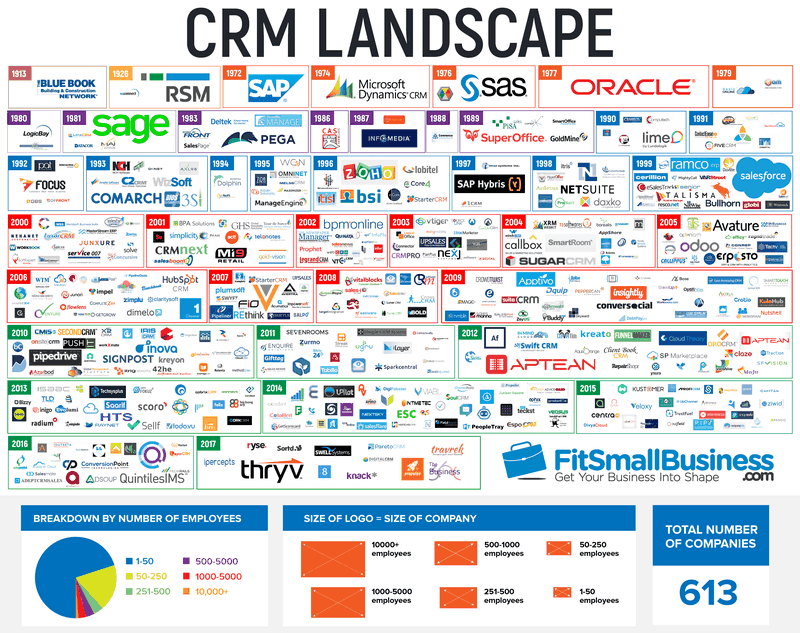
Credit: blog.salesflare.com
Frequently Asked Questions
What Is Crm Software?
CRM software is a tool that helps manage customer relationships. It centralizes customer data, tracks interactions, and automates sales processes.
How Does Crm Software Help Sales?
CRM software helps sales by streamlining processes. It tracks leads, manages customer interactions, and provides analytics for better decision-making.
Can Crm Software Improve Customer Service?
Yes, CRM software improves customer service. It provides detailed customer information, tracks interactions, and helps resolve issues faster.
Is Crm Software Beneficial For Small Businesses?
Absolutely, CRM software is beneficial for small businesses. It enhances customer management, boosts sales efficiency, and supports business growth.
Conclusion
CRM software can transform your business operations. It streamlines customer interactions and boosts efficiency. You gain valuable insights into customer behavior. This helps in making informed decisions. Better communication improves customer satisfaction. Sales and marketing efforts become more focused. An organized workflow saves time and resources.
Start integrating CRM software today. Your business will benefit greatly. Stay competitive in the market. Use CRM to its full potential. Your business success depends on it.
As the digital landscape evolves, so do the tools that help us navigate it. Pinterest users, from content creators to marketers, need efficient ways to produce and manage visual content. That’s where advanced tools come into play. They not only save time but also ensure high-quality results. One such tool that stands out is Content Goblin. It’s designed to automate and simplify your Pinterest content creation process. With features like automated listicle generation and high-quality image creation, it streamlines your workflow. This blog will explore the top Pinterest tools in 2025, focusing on their unique benefits and how they can elevate your Pinterest game. Discover Content Goblin and enhance your Pinterest strategy today!
Introduction To Pinterest Automation Tools In 2025
Pinterest remains a powerful platform for marketers. In 2025, new automation tools have emerged to enhance its potential. Leveraging these tools can significantly impact your marketing strategy. Let’s explore why these tools are essential and how they can benefit you.
Overview Of Pinterest’s Marketing Potential
Pinterest is a visual discovery engine. It has over 400 million monthly active users. The platform is ideal for businesses aiming to drive traffic and sales. Users engage with pins that inspire and inform. This makes Pinterest a great place to showcase products and services.
In 2025, Pinterest’s marketing potential has grown. New features make it easier to reach and engage audiences. Marketers use Pinterest for content marketing, brand awareness, and customer engagement. The platform’s visual nature supports various industries, from fashion to food.
Why Using Pinterest Automation Tools Is Crucial In 2025
Using Pinterest automation tools in 2025 is vital. These tools streamline content creation and posting. They save time and reduce manual effort. Tools like Content Goblin automate listicle generation and image creation. This ensures high-quality content is produced quickly.
Content Goblin offers multiple features:
- Automated listicle generation
- High-quality image and text creation
- Customizable subheadings with an outline builder
- Integration with WordPress for direct posting
- Multiple image quality options
- Simplified workflow with a single platform for content and image creation
These features help streamline your workflow. You can post drafts directly to WordPress. Content Goblin also offers different pricing plans to suit various needs:
| Plan | Price | Credits | Features |
|---|---|---|---|
| Ghoul Plan | $29/month | 2900 credits/month |
|
| Ghost Plan | $49/month | 6000 credits/month |
|
| Goblin Plan | $99/month | 14000 credits/month |
|
Using tools like Content Goblin can save hours. They simplify the content creation process. This is crucial for efficient marketing on Pinterest in 2025.
Top Pinterest Automation Tools To Boost Your Marketing
In 2025, Pinterest remains a powerhouse for marketers. Leveraging the right tools can transform your Pinterest marketing strategy. Here are the top Pinterest automation tools to boost your marketing efforts.
Tool 1: Description And Key Features
Content Goblin is an AI-driven tool designed to generate listicles with high-quality images and text within seconds. It simplifies the content creation process, making it faster and more efficient.
| Feature | Description |
|---|---|
| Automated listicle generation | Create detailed listicles effortlessly. |
| High-quality image and text creation | Generate images and text quickly. |
| Customizable subheadings | Use the outline builder for tailored subheadings. |
| Integration with WordPress | Post drafts directly to WordPress. |
| Multiple image quality options | Choose from various image quality settings. |
Content Goblin offers three pricing plans:
- Ghoul Plan: $29/month, 2900 credits
- Ghost Plan: $49/month, 6000 credits
- Goblin Plan: $99/month, 14000 credits
For more details, visit Content Goblin.
Tool 2: Description And Key Features
Tailwind is a scheduling tool designed to help you organize and plan your Pinterest posts. It ensures your content is posted at the best times for maximum engagement.
| Feature | Description |
|---|---|
| Smart Schedule | Post at optimal times. |
| Content Calendar | Plan and schedule pins. |
| Analytics | Track performance metrics. |
| Board Lists | Organize boards for easier pinning. |
Tool 3: Description And Key Features
Canva is a design tool that allows users to create stunning visuals for their Pinterest pins. With Canva, you can easily design eye-catching graphics without any graphic design skills.
| Feature | Description |
|---|---|
| Templates | Access thousands of design templates. |
| Drag-and-Drop Interface | Easy to use for quick designs. |
| Stock Photos | Utilize a library of free stock images. |
| Brand Kit | Maintain brand consistency with saved colors and fonts. |
Utilizing these tools can significantly enhance your Pinterest marketing strategy in 2025. Choose the right tools to streamline your efforts and achieve better results.
Unique Features Of Each Tool And Their Benefits
In the fast-paced digital world of 2025, Pinterest tools are essential for effective content creation and management. These tools offer unique features that simplify the workflow and enhance the quality of your content. Below, we dive into the distinctive features and benefits of three top Pinterest tools.
Tool 1: Unique Features And Benefits
| Feature | Benefit |
|---|---|
| Automated listicle generation | Save hours with automation |
| High-quality image and text creation | Create polished content instantly |
| Customizable subheadings with an outline builder | Tailor your content to specific needs |
| Integration with WordPress for direct posting | Effortlessly publish drafts |
| Multiple image quality options | Choose the best visuals for your posts |
| Simplified workflow | Use a single platform for all content tasks |
Content Goblin is ideal for content creators who want to streamline their workflow and reduce costs. Its pricing plans, Ghoul, Ghost, and Goblin, offer flexibility to suit different needs and budgets.
Tool 2: Unique Features And Benefits
Pin Generator is known for its intelligent pin creation and scheduling features. Here are some of its unique offerings:
- AI-Powered Pin Design: Create stunning pins automatically.
- Smart Scheduling: Post at optimal times for higher engagement.
- Analytics Dashboard: Track pin performance with ease.
These features help you maximize your reach and engagement on Pinterest. The smart scheduling tool ensures your pins are seen by the right audience at the right time.
Tool 3: Unique Features And Benefits
Board Manager Pro offers advanced board management tools that simplify organizing and optimizing your Pinterest boards. Key features include:
- Bulk Board Management: Edit multiple boards simultaneously.
- Automated Pinning: Keep your boards active with automated pins.
- Board Analytics: Gain insights into board performance.
Board Manager Pro is perfect for users looking to manage large volumes of content efficiently. The bulk management feature saves time, while the automated pinning keeps your boards fresh and engaging.

Credit: pinswizard.com
Pricing And Affordability
Choosing the right Pinterest tool involves considering its pricing and affordability. The best tools in 2025 offer flexible pricing plans that cater to various budgets. Let’s explore the pricing plans and value for money of the top three Pinterest tools.
Tool 1: Pricing Plans And Value For Money
Content Goblin is an AI-driven tool that simplifies the content creation process. It offers three pricing plans designed to suit different needs and budgets.
| Plan Name | Monthly Cost | Credits | Image Quality | Features |
|---|---|---|---|---|
| Ghoul Plan | $29/month | 2900 credits | 2900 images at “Good” quality, 223 images at “Best” quality |
|
| Ghost Plan | $49/month | 6000 credits | 6000 images at “Good” quality, 462 images at “Best” quality |
|
| Goblin Plan | $99/month | 14000 credits | 14000 images at “Good” quality, 1077 images at “Best” quality |
|
Content Goblin offers a variety of plans, making it a flexible option for different users. The affordable pricing ensures you get value for your money with high-quality content creation features.
Tool 2: Pricing Plans And Value For Money
Placeholder content for Tool 2. Replace with actual data when available.
Details about the pricing plans and value for money of Tool 2 will be added here.
Tool 3: Pricing Plans And Value For Money
Placeholder content for Tool 3. Replace with actual data when available.
Details about the pricing plans and value for money of Tool 3 will be added here.
Pros And Cons Based On Real-world Usage
In 2025, the landscape of Pinterest tools continues to evolve. Based on real-world usage, each tool has distinct advantages and disadvantages. Let’s dive into the pros and cons of the top tools.
Tool 1: Pros And Cons
Content Goblin is a powerful AI-driven tool for Pinterest content and image automation.
| Pros | Cons |
|---|---|
|
|
Tool 2: Pros And Cons
Pin Generator is another popular tool for creating engaging Pinterest content.
| Pros | Cons |
|---|---|
|
|
Tool 3: Pros And Cons
Image Crafter specializes in creating visually stunning images for Pinterest.
| Pros | Cons |
|---|---|
|
|
Credit: techleafs.com
Recommendations For Ideal Users And Scenarios
Choosing the right Pinterest tool can greatly enhance your social media strategy. Each tool has its unique strengths and ideal users. Here are the best scenarios for three top Pinterest tools in 2025.
Tool 1: Best User Scenarios
Content Goblin is an AI-driven tool designed to streamline content creation.
| Ideal For | Scenarios |
|---|---|
| Small Business Owners | Need quick, high-quality content without hiring freelancers. |
| Bloggers | Want to generate listicles and recipes with images instantly. |
| Social Media Managers | Require seamless integration with WordPress for direct posting. |
Tool 2: Best User Scenarios
Another tool, PinBot, focuses on automating pin scheduling and audience targeting.
- Influencers: Maximize reach with automated, targeted pinning.
- E-commerce Stores: Drive traffic with scheduled product pins.
- Marketing Teams: Optimize campaign effectiveness with advanced analytics.
Tool 3: Best User Scenarios
Tailwind excels at providing in-depth analytics and smart scheduling features.
- Content Creators: Leverage data-driven insights for content strategy.
- Brands: Maintain a consistent posting schedule with smart scheduling.
- Agencies: Manage multiple clients’ Pinterest accounts efficiently.
Conclusion: Maximizing Your Marketing Potential With Pinterest Tools
Pinterest remains a powerful platform for marketers. Using the right tools, you can enhance your strategy. This section provides key insights and final recommendations to boost your marketing efforts.
Summary Of Key Insights
- Content Goblin simplifies content creation with automated listicle generation and high-quality image creation.
- It integrates seamlessly with WordPress, allowing you to post drafts directly.
- Multiple pricing plans cater to different needs and budgets.
- Benefits include saving time, reducing costs, and streamlining workflows.
- Support is readily available, with priority support from the developer.
Final Recommendations
For maximizing your marketing potential:
- Consider using Content Goblin for automated listicle and image generation. It saves time and simplifies workflow.
- Choose a pricing plan that fits your needs. The Ghoul, Ghost, and Goblin plans offer various credits and image quality options.
- Utilize the integration with WordPress for effortless content posting. This feature can significantly enhance your content management.
- Take advantage of the support available. Priority support ensures that you can resolve issues quickly.
By implementing these tools and strategies, you can effectively manage your Pinterest marketing efforts. Sign up for Content Goblin today to streamline your content creation process.

Credit: twinsmommy.com
Frequently Asked Questions
What Are The Best Pinterest Tools In 2025?
The best Pinterest tools in 2025 include Tailwind, Canva, and Pinterest Analytics. These tools help with scheduling, design, and performance tracking. They are user-friendly and highly effective.
How Can Tailwind Help With Pinterest?
Tailwind helps with Pinterest by scheduling pins, analyzing performance, and suggesting optimal posting times. It saves time and boosts engagement.
Why Use Canva For Pinterest?
Canva is great for Pinterest because it offers easy-to-use design tools. It helps create eye-catching pins quickly. Templates and drag-and-drop features make it user-friendly.
What Is Pinterest Analytics?
Pinterest Analytics is a tool that tracks pin performance. It provides insights into audience behavior and engagement. It helps optimize content strategy.
Conclusion
Choosing the right Pinterest tools can transform your content strategy in 2025. With options like Content Goblin, you save time and enhance productivity. This AI-driven tool generates high-quality listicles and images quickly. Simplify your workflow and reduce costs with Content Goblin. Interested in trying it? Check out Content Goblin here. Explore the best tools and elevate your Pinterest game. Your journey to efficient content creation starts now.
]]>In this article, we will discuss the best CRM software for event management. We’ll also explain why each tool is useful and how it can help you create a smooth and successful event.
Why Do You Need CRM for Event Management?
Before diving into the best CRM options, let’s first understand why a CRM is important for event management.
Event managers need to stay on top of many things. They have to manage:
- Guests: Who is attending? What are their preferences?
- Vendors: What services are they providing? What are the payment terms?
- Sponsors: What deals are in place? What do they need in return?
- Tickets: How many tickets have been sold? Who needs to be sent reminders?
- Communication: How do we keep everyone updated?
A CRM software helps by organizing all of this information in one place. It also improves communication, saves time, and ensures that no detail is missed.
Key Features to Look for in Event Management CRM Software
When choosing a CRM for event management, there are several features you should look for:
- Guest Management: The ability to track who is attending, their preferences, and whether they need special accommodations.
- Vendor Management: A CRM should help track vendors, their contracts, and payments.
- Ticketing and Registration: A good CRM should have tools to sell and manage event tickets.
- Communication Tools: The CRM should have built-in tools for sending emails, messages, and reminders to guests, vendors, and sponsors.
- Event Analytics: The CRM should allow you to track event performance, such as ticket sales, feedback, and engagement.
- Integration with Other Tools: Make sure the CRM can work with other tools like email marketing platforms or payment processors.
- Customizable: Each event is different. A CRM that allows for customization will suit your specific needs better.
Top CRM Software for Event Management
Now that we understand the importance of CRM in event management and the features to look for, let’s explore the best CRM software options available. These tools are trusted by professionals in the event industry to streamline their work and deliver amazing experiences.
1. HubSpot CRM
Overview: HubSpot CRM is a powerful and easy-to-use tool. It offers a free version with basic features, making it accessible for smaller event organizers. It also has paid plans with more advanced features for larger events.
Why It’s Great for Event Management:
- Guest Tracking: HubSpot helps you track guests, send personalized invitations, and manage registrations.
- Email Marketing: You can send event updates and reminders through email campaigns.
- Customizable Pipelines: HubSpot allows you to create pipelines for different stages of event management, such as pre-event, during-event, and post-event.
- Integration with Other Tools: It integrates well with other platforms like Mailchimp, Google Sheets, and social media channels.
Drawback: The free version has limited features, and you may need to upgrade for more advanced tools.
2. Eventbrite
Overview: Eventbrite is a popular platform for event management and ticketing. It’s known for its easy-to-use ticketing system and event registration features.
Why It’s Great for Event Management:
- Ticketing and Registration: Eventbrite excels in selling tickets and managing registrations. It offers a seamless process for guests to buy tickets online.
- Payment Management: Eventbrite allows you to collect payments for your event tickets directly through the platform.
- Event Promotion: You can promote your event on social media directly through Eventbrite, reaching a larger audience.
- Analytics: It provides detailed reports about ticket sales, attendees, and financials, making it easier to assess the event’s success.
Drawback: Eventbrite’s pricing can be expensive, especially for large events with many attendees.
3. Zoho CRM
Overview: Zoho CRM is an affordable, customizable tool that helps manage contacts, sales, and marketing. It’s suitable for event managers who need a full CRM system that handles more than just event details.
Why It’s Great for Event Management:
- Customization: Zoho CRM allows you to customize fields, views, and processes according to your event needs.
- Lead Generation: It helps you collect leads and track your communication with potential event guests.
- Event Tracking: You can track all your event activities and interactions with vendors and sponsors.
- Automation: Zoho allows you to automate repetitive tasks like sending follow-up emails and reminders.
Drawback: The learning curve may be steep for beginners, and it can take some time to get used to the interface.
4. Salesforce
Overview: Salesforce is one of the most popular CRMs in the world. It is known for its powerful features and flexibility. Salesforce is perfect for large-scale events with a high level of complexity.
Why It’s Great for Event Management:
- Advanced Reporting: Salesforce provides deep analytics, allowing you to evaluate your event’s performance in detail.
- Marketing Automation: You can automate your marketing campaigns and follow-ups, saving time and improving engagement.
- Collaboration: The CRM allows multiple team members to collaborate, assign tasks, and monitor progress.
- Customizable: Salesforce offers a wide range of customization options to adapt to your unique event management needs.
Drawback: Salesforce is expensive and may be too complex for smaller events or organizations with limited budgets.
5. Cvent
Overview: Cvent is a comprehensive event management software used by businesses and organizations around the world. It’s specifically built for event planners, offering a range of features for both virtual and in-person events.
Why It’s Great for Event Management:
- Event Registration: Cvent provides an easy-to-use registration platform that integrates with your website.
- Customizable Event Websites: You can create customized event websites that reflect your brand’s style.
- Attendee Tracking: Cvent offers features for tracking attendee behavior, such as session participation and booth visits at trade shows.
- Virtual Event Support: It supports virtual events, making it easier to host webinars, conferences, and online meetups.
Drawback: Cvent is quite expensive and may not be the best choice for small events or organizations.
6. Bizzabo
Overview: Bizzabo is an all-in-one event management software designed for professional event organizers. It’s known for its flexibility and ability to handle events of all sizes, from small meetings to large conferences.
Why It’s Great for Event Management:
- Event Marketing Tools: Bizzabo offers tools to promote your event, send invitations, and track the effectiveness of your marketing efforts.
- Customizable Event Website: Create a branded website for your event with all the details, agendas, and speaker information.
- Engagement Tools: Bizzabo provides options for networking, polls, surveys, and live chats to engage attendees before, during, and after the event.
- Analytics: Bizzabo’s advanced analytics helps you track ticket sales, attendee engagement, and post-event feedback.
Drawback: Bizzabo’s interface can be overwhelming for new users, and there may be a learning curve to take full advantage of all its features.
7. Monday.com
Overview: Monday.com is a visual project management tool that has quickly become popular for organizing events. It’s highly customizable and offers many features that make it easy to track tasks, deadlines, and team collaboration.
Why It’s Great for Event Management:
- Visual Project Tracking: With Monday.com, you can create visual boards to track every aspect of your event, from the planning stages to execution.
- Team Collaboration: It’s easy to assign tasks, set deadlines, and track progress. Your whole team can collaborate in real-time.
- Automations: You can automate repetitive tasks like sending reminders or updating team members.
- Customizable: Monday.com allows you to create custom workflows to suit your specific event management needs.
Drawback: While Monday.com is versatile, its feature set may be too broad for event managers who need a more focused CRM for event-related tasks.
8. EventMobi
Overview: EventMobi is a cloud-based platform built specifically for event management. It offers tools to manage registration, ticketing, attendee engagement, and post-event analysis.
Why It’s Great for Event Management:
- Mobile App for Attendees: EventMobi provides a mobile app for your event, which can be branded and used to engage attendees before, during, and after the event.
- Customizable Registration: You can create custom registration forms for different types of attendees.
- Attendee Engagement: EventMobi offers features like live polling, Q&A sessions, and gamification to keep attendees engaged throughout the event.
- Reports & Analytics: EventMobi provides detailed reports on ticket sales, attendee participation, and feedback, helping you improve future events.
Drawback: The platform may feel overwhelming for smaller events, and it’s best suited for larger-scale conferences or trade shows.
How to Choose the Right CRM for Your Event
Now that you’ve seen some of the best CRM software for event management, it’s time to think about which one is right for you. Here are some key factors to consider when making your decision:
1. Event Size
The size of your event will play a big role in choosing the right CRM. If you are organizing a small, local event with a few hundred guests, a simple CRM like HubSpot or Zoho CRM may be enough.
However, for large-scale events like conferences, trade shows, or festivals, you will need a more robust solution like Salesforce, Cvent, or EventMobi. These CRMs offer advanced features for managing multiple sessions, large audiences, and complex logistics.
2. Budget
Your budget will also determine which CRM software you can afford. Some CRMs like HubSpot offer free versions with limited features, which are suitable for small events or new organizers. If you have a larger budget, you may want to invest in more advanced tools like Salesforce or Cvent, which offer more powerful features but come at a higher price.
Make sure to consider not only the initial cost but also any ongoing fees, such as monthly or annual subscriptions, which may add up over time.
3. Ease of Use
Event management can be stressful, and you need software that’s easy to use. Look for a CRM that is intuitive and has a simple interface. Software like Eventbrite and Monday.com are known for their ease of use, making them a good choice for beginners or those who want to focus more on event planning than learning a complicated tool.
On the other hand, more advanced CRMs like Salesforce or Zoho CRM can require some training. If you’re willing to invest time in learning the software, they offer powerful tools that may be worth the effort.
4. Customization Needs
Your event may have unique requirements that need special customization. If your event involves multiple stages or complex workflows, choose a CRM that allows for easy customization. Salesforce and Zoho CRM both offer extensive customization options, letting you tailor the software to your specific needs.
However, if you prefer a simpler solution with fewer customization needs, tools like HubSpot or Eventbrite may be sufficient.
5. Integration with Other Tools
Most event planners use several tools to manage different parts of their events, like email marketing software, payment processors, or social media platforms. Ensure that the CRM you choose integrates well with the other tools you are using. Salesforce, HubSpot, and Zoho CRM all offer strong integration capabilities with many third-party tools.
6. Customer Support
Good customer support can make a huge difference, especially when you’re dealing with tight deadlines. Look for a CRM that provides reliable customer service, such as 24/7 support, chat options, or phone assistance. Eventbrite, Bizzabo, and Cvent are known for providing excellent customer support to help you during the event planning process.
Advanced Features in CRM for Event Management
In this section, we’ll explore the advanced features that can make event management much easier, from automating repetitive tasks to improving attendee engagement. These features are often found in high-quality CRM tools, making them a game-changer for event organizers.
1. Automated Task Management
Event management involves many moving parts, and it’s easy to lose track of tasks. Many CRMs have automation features that help you streamline the planning process.
- Task Assignment: Some CRMs allow you to assign tasks to team members automatically based on their role or availability. For example, you can set up an automatic workflow that assigns tasks like “send invites” or “book a vendor” at different stages of your event.
- Reminders and Alerts: Automated reminders ensure no task is missed. You’ll be notified of approaching deadlines, helping you stay on track without needing to check constantly.
2. Advanced Reporting and Analytics
Understanding how well your event is performing is crucial. The best CRMs offer advanced analytics features that help you track metrics such as:
- Ticket Sales: Most CRM tools can track how many tickets you’ve sold and how close you are to meeting your goals. Some platforms also provide real-time tracking, allowing you to adjust your marketing efforts if sales are lower than expected.
- Attendee Engagement: CRMs like EventMobi or Bizzabo allow you to see how engaged attendees are during your event. For instance, you can track which sessions they attend, how long they stay, and whether they participate in polls or surveys.
- Post-Event Reports: After the event, the CRM generates reports that summarize attendee feedback, social media interactions, and ROI, helping you plan better for your next event.
3. Attendee Networking and Engagement Tools
Modern CRMs go beyond basic guest list management. They offer tools to keep your attendees engaged and provide opportunities for networking:
- Attendee Profiles: Some CRMs allow you to create detailed attendee profiles. This helps you tailor communication and provide personalized experiences. For instance, Bizzabo lets attendees create profiles and connect with others who have similar interests.
- Mobile Apps: Event-specific mobile apps, like the ones from EventMobi, provide features such as live chat, networking boards, and session feedback. These tools improve attendee satisfaction and engagement during the event.
- Gamification: Some CRMs use gamification elements like points or badges to encourage attendees to participate more. This increases engagement and makes the event more fun for attendees.
4. Virtual and Hybrid Event Management
The rise of virtual and hybrid events requires a CRM with tools tailored for digital interactions. Here’s how some CRMs help with virtual events:
- Webinars and Live Streaming: Platforms like Cvent and EventMobi integrate with webinar platforms to provide a seamless experience for virtual attendees. These integrations allow for easy registration, live-streaming of sessions, and post-event on-demand access.
- Virtual Exhibitor Booths: For trade shows or expos, CRMs such as Bizzabo offer virtual exhibitor booths where attendees can explore products and interact with sponsors or vendors online.
- Session Tracking: Virtual events often have multiple live sessions. A CRM with session tracking can help you see which attendees joined which sessions, allowing you to send personalized follow-ups or adjust content for future events.
5. Vendor and Sponsor Management
Managing relationships with vendors and sponsors is a critical part of event planning. Here’s how CRMs help with this:
- Vendor Contracts and Payments: CRMs like Planning Pod allow you to store vendor contracts and track payments, making it easier to manage multiple vendor relationships without the risk of losing important documents.
- Sponsorship Tracking: Many CRMs let you track sponsorship deals, ensuring that all sponsors receive the agreed-upon benefits, such as exposure in event marketing materials or booths at the event. Cvent offers robust sponsor tracking features, allowing event planners to track everything from logo placement to sponsor-driven sessions.
6. Seamless Integration with Other Tools
Event planning often involves using multiple tools for different purposes. The best CRMs integrate with various platforms to ensure your workflow stays seamless:
- Email Marketing: CRMs like HubSpot integrate with email platforms like Mailchimp, allowing you to send automated emails, reminders, and post-event thank-you notes without switching between different platforms.
- Payment Systems: Integration with payment processors like Stripe or PayPal makes it easy to collect registration fees, sponsorships, and other payments.
- Social Media: Some CRMs, like Eventbrite, integrate with social media platforms, enabling you to share event updates, sell tickets, and track attendee engagement.
How CRM Software Saves Time and Reduces Stress
One of the biggest challenges of event management is the sheer amount of time and effort it takes to coordinate everything. From handling registrations to sending reminders and tracking payments, there’s a lot to keep up with. CRM software can make this process much easier. Here’s how:
1. Automates Routine Tasks
A good CRM automates many of the repetitive tasks involved in event planning. This reduces the chances of forgetting something important and frees up time for more creative and strategic aspects of your event. Some of the key automation features include:
- Event Registration: Many CRMs like Eventbrite and Cvent automate the entire registration process. When a guest signs up, the CRM sends confirmation emails, collects payment, and adds the attendee to your list.
- Email Reminders: With email automation, CRMs can send reminders to attendees, vendors, and sponsors at set intervals. For example, you can set up an email sequence that starts with a confirmation email when someone registers and sends reminders as the event date approaches.
- Follow-Up Emails: After the event, CRMs automatically send thank-you emails to attendees, sponsors, and vendors. These emails can include a survey to gather feedback and a call to action for future events.
2. Centralized Communication
Event management often involves working with different teams and stakeholders, including guests, vendors, sponsors, and your own team. A CRM centralizes all communication, making it easier to manage:
- Internal Team Collaboration: CRMs like Monday.com allow you to collaborate with your team in real-time. You can assign tasks, set deadlines, and communicate through the platform, ensuring that everyone stays on the same page.
- External Communication: Whether you’re sending emails to attendees or updating vendors, a CRM ensures all communication is organized. This helps prevent missed messages and reduces the chances of any details falling through the cracks.
3. Data Management and Reporting
Managing data is essential for event success, and a CRM helps you store and analyze all the information you need in one place. Here’s how it helps:
- Centralized Data Storage: All guest information, vendor contracts, payment details, and marketing materials are stored in the CRM. This eliminates the need to track everything in spreadsheets or emails.
- Real-Time Reports: CRMs provide real-time reporting on various aspects of the event, such as ticket sales, attendee engagement, and revenue. This allows you to adjust your strategies during the event, rather than waiting until after it’s over.
- Post-Event Analytics: After the event, the CRM generates detailed reports that summarize performance. These reports can include data on how well your marketing efforts worked, how many tickets were sold, and how engaged attendees were.
4. Improved Customer Experience
One of the main benefits of using CRM software is the improvement in customer experience. With CRM, you can offer more personalized communication and a smoother event experience. Here’s how:
- Personalized Communication: Using attendee data, a CRM can help you tailor emails, event reminders, and offers. For example, you can send a special welcome email to VIP guests or follow up with attendees based on the sessions they attended.
- Quick Response Times: A CRM ensures that you can quickly respond to inquiries from attendees or vendors. If someone has a question about registration, payment, or event details, you can quickly find the information you need and provide an answer.
- Event Customization: For larger events, a CRM allows you to offer personalized event schedules, customized itineraries, or specific session recommendations based on attendee interests.
5. Managing Multiple Events at Once
Event planners often need to juggle multiple events at the same time. A CRM with multi-event management capabilities helps by:
- Event Overviews: CRMs like Cvent and Zoho CRM provide an overview of all your events, allowing you to track progress and status in one place. This makes it easier to manage multiple events without feeling overwhelmed.
- Task Management Across Events: If you’re working on several events, the CRM allows you to assign tasks and deadlines across all events. This ensures that no event gets neglected and keeps the team focused on priorities.
Why CRM Software is a Must-Have for Event Management
Event planning is a complex process that involves coordinating many moving parts. From managing attendees and vendors to ensuring smooth communication and keeping track of finances, it’s easy to feel overwhelmed. This is where CRM software comes in—it helps simplify your workflow, improves organization, and ultimately leads to a more successful event.
Key Benefits Recap:
- Centralized Information: All your data, from guest lists to vendor contracts, is stored in one place, making it easier to manage everything.
- Time-Saving Automations: Automating routine tasks like registration, reminders, and follow-ups reduces manual work and allows you to focus on more important aspects of the event.
- Improved Communication: CRM tools help keep both internal and external communication organized, ensuring that you never miss an important update.
- Better Customer Experience: With personalized communication, faster response times, and tailored event experiences, CRMs enhance your relationships with attendees and vendors.
- Real-Time Analytics: The ability to track event performance in real time allows you to make adjustments on the fly, ensuring a smoother event experience.
How to Choose the Right CRM for Your Event
When selecting a CRM for your event, consider the following:
- Event Size and Complexity: If you’re organizing a large-scale event with multiple sessions, sponsors, and vendors, you’ll need a CRM that can handle these complexities. CRMs like Cvent or Salesforce are ideal for large events, while smaller events can benefit from tools like HubSpot or Eventbrite.
- Customization Needs: Every event is different, so you’ll want a CRM that allows for some level of customization. Make sure the CRM can be tailored to your event’s specific needs.
- Integration with Other Tools: Look for a CRM that integrates well with your other tools, such as email marketing platforms, payment processors, and social media.
- Budget: There are CRMs for every budget. Free options like HubSpot are great for small events, while more expensive options like Salesforce or Cvent offer advanced features for larger, more complex events.
- User-Friendliness: Choose a CRM that’s easy to use and doesn’t require extensive training. Platforms like Monday.com and Eventbrite offer simple, intuitive interfaces.
Final Thoughts
A CRM is an essential tool for anyone serious about managing events. By helping you stay organized, saving you time, and improving your event’s success, CRM software takes the stress out of event planning. Whether you’re hosting a small workshop or a large conference, there’s a CRM solution out there that will help you streamline the entire process. Choose the right one for your needs, and you’ll be well on your way to delivering exceptional events that your attendees will remember.
]]>